
Vestibular Unit: study and treatment of balance disorders (vertigo, dizziness and unsteadiness)
Otoneurology and vestibular rehabilitation working together: first identifying what is failing in the balance system, and then treating it.
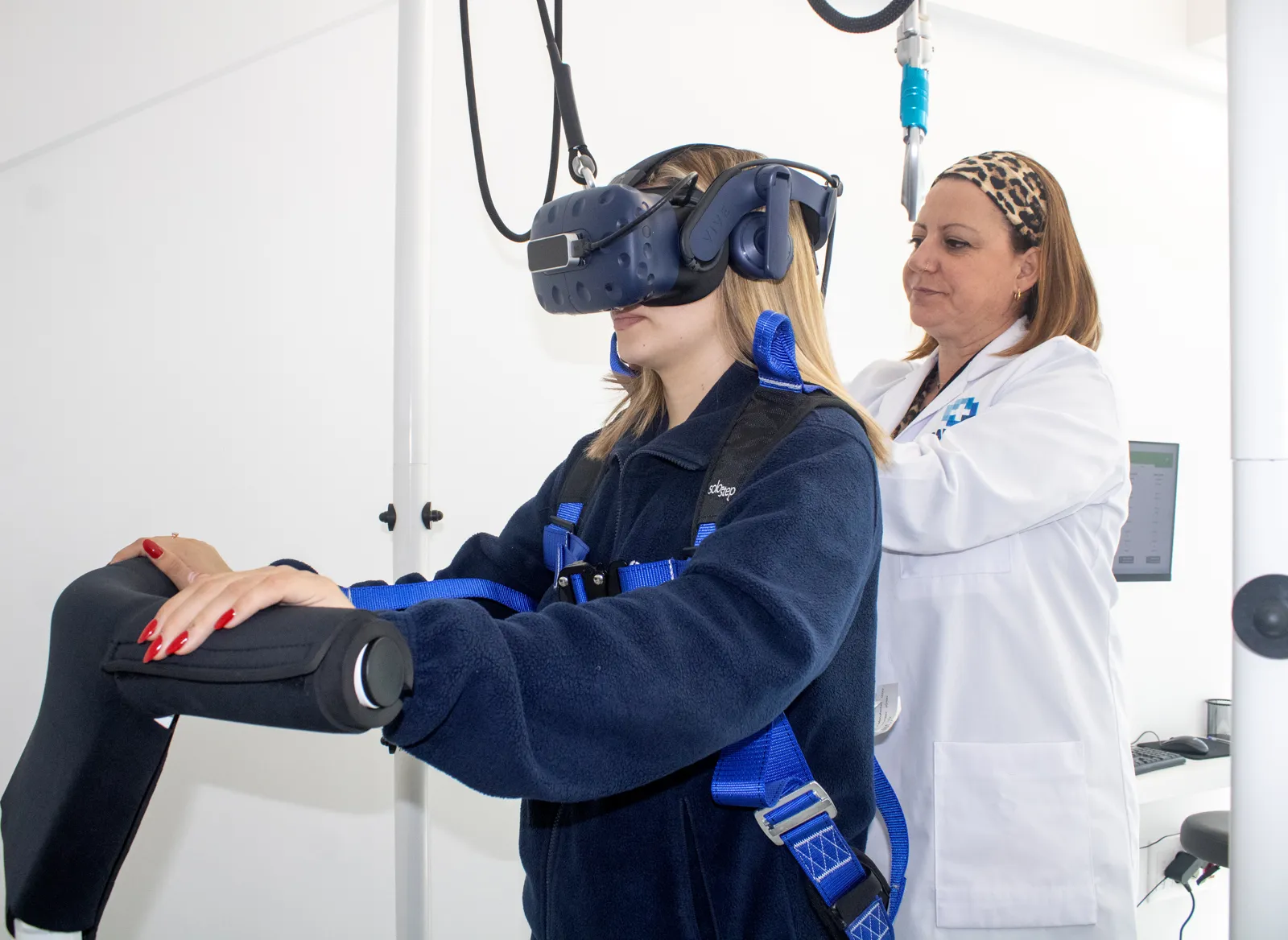
Balance does not depend on a single organ, nor does its study rely on a single discipline. In the Vestibular Unit, otoneurology —which identifies which part of the balance system is failing— and vestibular rehabilitation —which trains the patient to regain lost function— work together. Joined by otolaryngology and neurology when required, and other specialities when necessary. This teamwork is what allows moving from diagnosis to treatment under one roof.
Vertigo, dizziness and unsteadiness: they are not the same thing
Hardly anyone comes to the consultation saying “I have a vestibular disorder”: they present with a symptom. Describing it precisely is the first step of the study, as each points in a different direction:
- Vertigo: a spinning sensation, feeling that oneself or one's surroundings are moving.
- Dizziness: a more vague discomfort — lightheadedness, fogginess, nausea when moving the head.
- Unsteadiness: feeling unsteady or insecure when walking or standing, without a spinning sensation.
All three can have a vestibular origin, and all three might not: the symptom provides direction, but it is not the diagnosis. Positional vertigo and vestibular migraine are investigated and treated differently, even if the patient describes them using the same word.
What is investigated and treated in the unit
Inner ear disorders:
- Benign paroxysmal positional vertigo (BPPV).
- Vestibular neuritis and labyrinthitis.
- Ménière's disease.
- Autoimmune diseases and vascular disorders of the inner ear.
Conditions of central or systemic origin, investigated in coordination with neurology:
- Vestibular migraine.
- Head trauma affecting balance.
- Multiple sclerosis and other neurological diseases with vestibular involvement.
- Tumours affecting hearing or vestibular function.
How the unit works
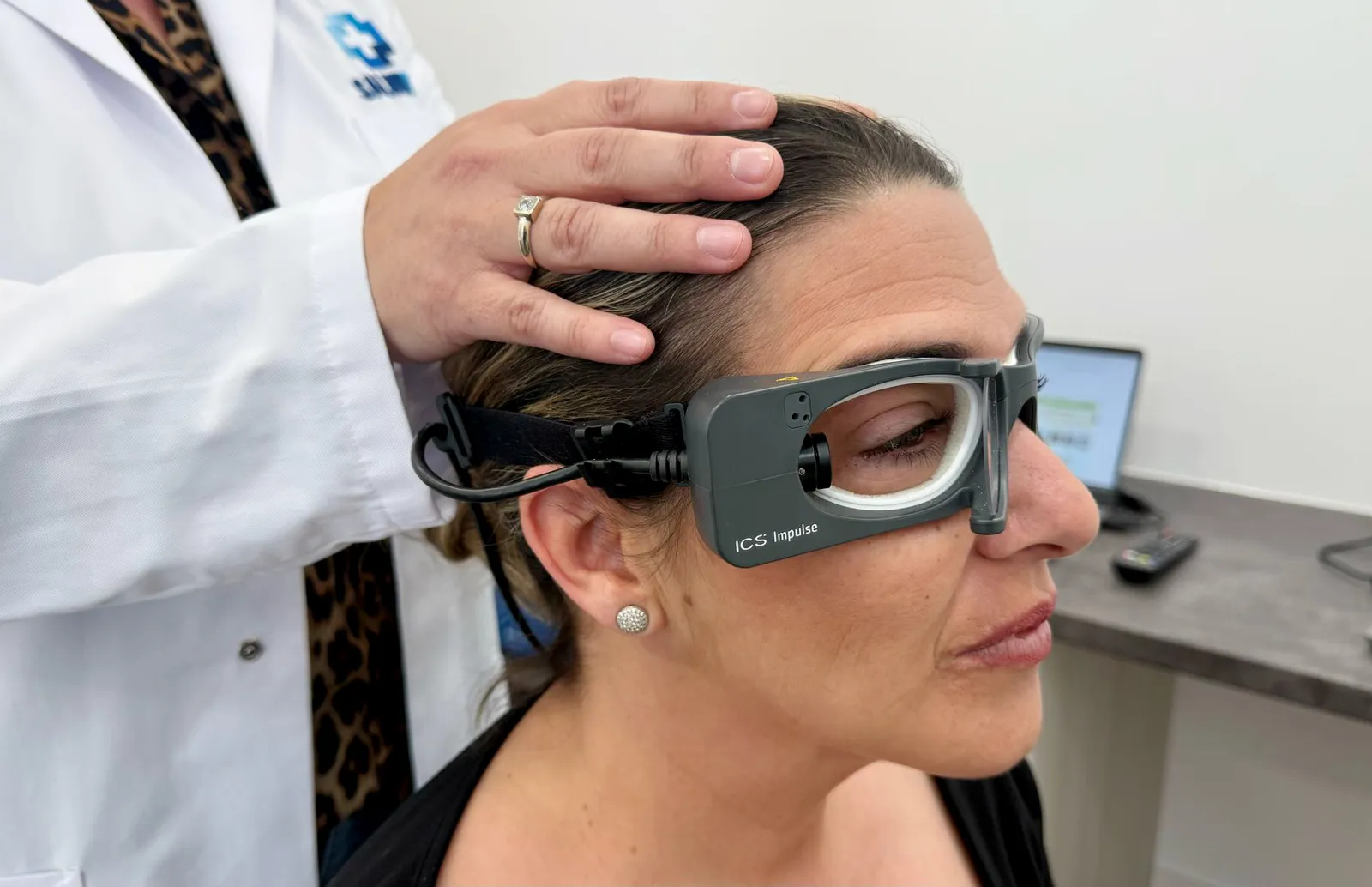
In the otoneurology consultation, the case is evaluated: medical history —how it started, how long it lasts, what triggers it—, nystagmus examination and vestibular testing. From this comes the diagnosis and, in a large proportion of positional vertigos, the treatment itself: repositioning manoeuvres are performed during the same appointment and do not involve medication.
When the balance system does not compensate on its own, the case is referred to vestibular rehabilitation: a structured exercise programme, with dedicated physiotherapists, which trains the brain to re-integrate the information it receives from the ear, vision and body. What is identified in one consultation is trained in the other, with both following the same case.
When to book an appointment
An assessment is recommended when the symptom recurs, does not fully resolve, or impacts daily life —driving, working, going outside—. Specifically:
- Recurrent vertigo attacks.
- Unsteadiness when walking that persists after an attack.
- Dizziness when moving the head, turning over in bed or standing up.
- Hearing loss or tinnitus, especially if occurring in only one ear.
- Difficulty focusing vision when moving.
- Falls or fear of falling without an explanatory cause.
Do not wait for an appointment if vertigo comes on suddenly accompanied by double vision, difficulty speaking, or loss of strength or sensation in part of the body, or if hearing is lost suddenly: these require emergency medical attention.
The unit holds consultations at the Centro médico Málaga (La Rosaleda). If you would like to understand what is happening first, on our blog we explain the causes of vertigo and dizziness and how they are treated.
Areas within this specialty
Articles in this specialty
Vertigo and dizziness: causes, diagnosis and treatment
BPPV, vestibular neuritis, Ménière's or vestibular migraine: how vertigo differs from dizziness, which signs are urgent, and how b…
Dr Irene Mayorga Chamorro ·

When dizziness causes fear: how anxiety can maintain the cycle of dizziness
Why dizziness can persist after a vestibular problem: how anxiety, hypervigilance and avoidance maintain it, and what is addressed…
Mr Álvaro Chaves Sánchez
Questions and comments
Ask the specialist who reviews this page or leave us a comment. Everything is reviewed before it is published.
To write, first confirm your email: we will send you a code.
Content reviewed by Lorena Alba Rosales