
Vertigo tests
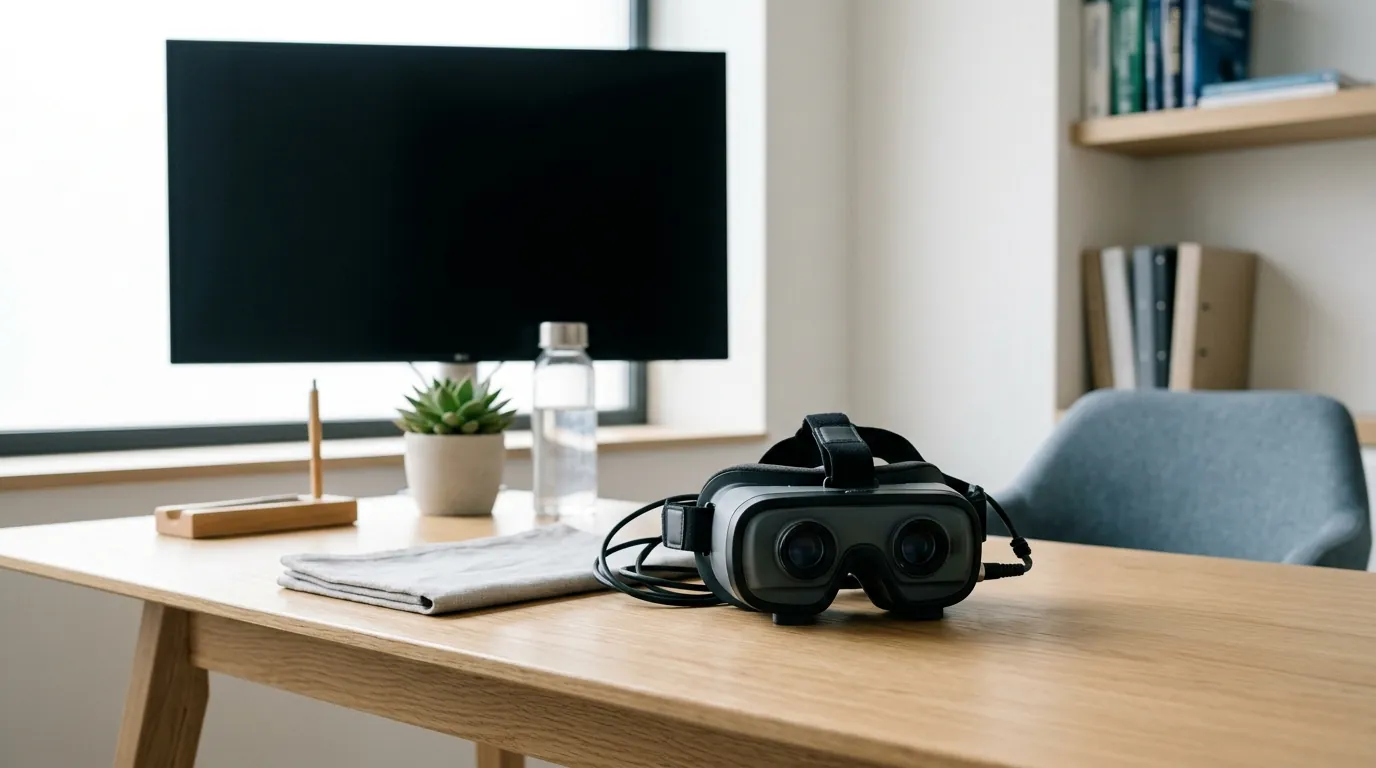
Vestibular tests: videonystagmography, caloric testing, vHIT and posturography to locate the cause of vertigo and measure balance.
What they're for
The examination at the clinic gives a good indication, but when the dizziness lasts, keeps coming back or doesn't fit a clear pattern, it needs to be measured. Vestibular tests show which part of the balance system isn't working, on which side and to what degree, and also whether the brain has already started to compensate — information that changes the treatment.
Which tests there are
- Videonystagmography (VNG): goggles with a camera record eye movements in different positions and with different stimuli. The eye gives the ear away.
- Caloric test: each ear is stimulated separately with air or water at different temperatures to compare the response of one side against the other.
- vHIT (video head impulse test): measures the vestibulo-ocular reflex response to fast head movements, canal by canal.
- Posturography: assesses standing balance on a platform, combining vision, the inner ear and sensation from the feet.
- A hearingtest, which often goes alongside vertigo.
How to prepare
It's important to stop vestibular sedatives and other medications the specialist indicates in the days before, because they dampen exactly what needs to be measured. Come without eye make-up or mascara so the camera can track the pupil properly, with a light meal — some tests can cause nausea — and, if you get dizzy easily, come with someone.
Afterwards
The results are interpreted alongside your history and examination. From there comes the diagnosis and the plan: manoeuvres for positional vertigo, medical treatment for Ménière's disease, or a vestibular rehabilitation programme to speed up compensation.
Frequently asked questions
Do I have to stop my medication before the tests?
Yes, and it matters: vestibular sedatives and other medicines that may be indicated switch off precisely what is meant to be measured, and with them the test loses its value. At the appointment you are told which ones to stop and how many days beforehand.
Do the tests make you dizzy?
Some bring on a sensation of dizziness in a controlled and temporary way, above all the caloric test: that is the point, to see how each ear responds. Come having eaten something light and with someone with you if you get dizzy easily. It passes after a while.
What is the point of knowing the result?
To find out which part of the balance system is not working, on which side and to what degree, and whether the brain is already compensating. That is what the treatment follows from: manoeuvres, medical treatment or a vestibular rehabilitation programme to speed up that compensation.
Are vestibular tests unpleasant?
Some bring on dizziness in a controlled and temporary way —the caloric test is the most striking—, and that is why it is advisable to come after a light meal and accompanied if you get dizzy easily. They do not hurt and the sensation passes after a while. It is essential to have stopped the vestibular sedatives indicated.
How do I know if I have a problem with my vestibular system?
Spinning vertigo, unsteadiness when walking, the sensation that your surroundings move when you turn your head, blurred vision on movement and unexplained falls all point that way. The examination and the tests show which ear is failing, to what degree and whether the brain is compensating.
Related articles
Vertigo and dizziness: causes, diagnosis and treatment
BPPV, vestibular neuritis, Ménière's or vestibular migraine: how vertigo differs from dizziness, which signs are urgent, and how b…
Dr Irene Mayorga Chamorro ·
Questions and comments
Ask the specialist who reviews this page or leave us a comment. Everything is reviewed before it is published.
To write, first confirm your email: we will send you a code.
Content reviewed by Mr Luis Carrasquilla Carmona