
Cardiologist: heart check-ups and care
Heart check-ups, blood pressure and arrhythmia management, and cardiovascular risk prevention.

What cardiology treats
Cardiology is the medical speciality that deals with the heart and the circulatory system. It ranges from the prevention of cardiovascular risk and early diagnosis of cardiac conditions to the monitoring of complex chronic diseases.
Cardiology consultations are available at our medical centres, with health insurance or privately, sparing patients in Axarquía unnecessary travel to receive specialised care.
Common reasons for consultation
High blood pressure (hypertension)
Monitoring and treatment of elevated pressure, a key risk factor in preventing serious cardiovascular events.
Cardiovascular risk factors
High cholesterol, diabetes or a family history of heart disease.
Arrhythmias and heart murmurs
Investigation and management of heart rhythm disorders.
Heart failure
Diagnosis and management when the heart struggles to pump blood effectively.
Coronary artery disease
Management and monitoring of coronary artery conditions to prevent heart attacks and improve cardiac function.
Preventive and sports cardiology
Assessment before starting strenuous physical activity or in the presence of hereditary risk factors.
What to expect during a cardiology check-up
A comprehensive cardiology check-up combines a physical examination, a detailed medical history and specific diagnostic tests chosen by the cardiologist for each case, with the aim of detecting abnormalities early. When a diagnosis is already present, follow-up is ongoing: regular check-ups, adjustment of prescribed treatment and advice on heart-healthy lifestyle habits.
Managing risk factors usually relies on regular blood tests —cholesterol, glucose—, which can be carried out in our clinical testing service, alongside coordination with the family doctor for day-to-day management.
Tests the cardiologist may request
Not all check-ups require the same tests: the cardiologist chooses the ones that provide relevant information for each case. The most common are:
- Electrocardiogram: records the electrical activity of the heart in a few minutes, completely painlessly. It is the fundamental test for assessing heart rhythm.
- Echocardiogram: a heart ultrasound showing the size of its chambers, the condition of the valves and how it contracts.
- Holter monitor: a recording device worn for a full day while going about normal activities, used to detect intermittent arrhythmias or to monitor blood pressure behaviour outside the clinic.
Cardiology check-up for sports
Before starting intense training, returning to sports after a break of several years, or preparing for a demanding event, a cardiology assessment provides peace of mind. Personal and family history are reviewed —especially if there has been sudden death or heart disease in the family—, a physical examination is performed and usually an electrocardiogram, after which the cardiologist decides if further tests are needed. If you experience chest pain, palpitations, dizziness or disproportionate shortness of breath during exercise, do not continue training without consulting a doctor.
When to book an appointment with the cardiologist
It is advisable to request a cardiology assessment if high blood pressure is detected, if risk factors such as high cholesterol or diabetes are present, in the event of palpitations, or before taking up demanding sports activities. Early detection is cardiology's best tool: you do not need to have symptoms to have an initial check-up.
Book an appointment with our cardiologist in Torre del Mar and place your cardiovascular health in specialised hands.
Cardiology in Rincón de la Victoria and Torre del Mar
Avda. de la Torre, 24, Residencial «Los Claros» · 29730 Rincón de la Victoria · How to get there
-
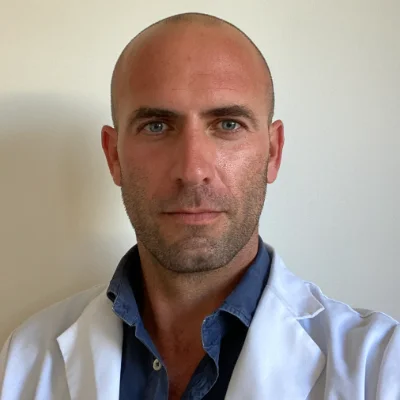 Daniel José Elena Aldana Cardioresonancia magnética · Cardio TC
C/ Manuel Azuaga «Abuelo de Torre del Mar», 3 · 29740 Torre del Mar · How to get there
-
 Dr David Grande Prada Diagnóstico · seguimiento clínico · control de factores de riesgo cardiovascular. Tratamiento cardiopatía isquémica · arritmias · valvulopatía · miocardiopatías.
Frequently asked questions
When should I see a cardiologist for the first time?
It is advisable from the age of 40-45 for preventive check-ups, or earlier if there is a family history, high blood pressure, smoking or if you are about to take up high-intensity sport.
What symptoms mean I should see a cardiologist?
Palpitations, shortness of breath (dyspnoea), chest pain, unexplained dizziness or excessive swelling in the legs.
Does the cardiologist treat high blood pressure?
Yes. The cardiologist is the right specialist to regulate blood pressure and prevent it from affecting other organs or the heart itself.
What tests are usually carried out at a basic appointment?
Typically a clinical interview, physical examination, blood pressure measurement and, depending on the case, electrocardiograms or other imaging tests.
Do I have to be an athlete to have a cardiac check-up?
No. Although it is essential for athletes, anyone who wants to prevent cardiovascular disease should have a periodic check-up.
Do you see patients from across the province of Málaga?
Yes. Our facilities in the Axarquía area are open to patients from all over Málaga who are looking for specialised, professional care.
Areas within this specialty
Articles in this specialty

Heart palpitations: when to see a cardiologist and what information to bring
Heart palpitations: what triggers them, when they're an emergency, when to see a cardiologist and what to note for your visit. ECG…
Based on reliable sources
Prepared by our team from the references listed below. This is general information and does not replace a consultation.
Content pending review by one of our doctors.
References (3)
- Visseren FLJ et al. (European Society of Cardiology) (2021). 2021 ESC Guidelines on cardiovascular disease prevention in clinical practice Open
- McEvoy JW et al. (European Society of Cardiology) (2024). 2024 ESC Guidelines for the management of elevated blood pressure and hypertension Open
- Pelliccia A et al. (European Society of Cardiology) (2021). 2020 ESC Guidelines on sports cardiology and exercise in patients with cardiovascular disease Open