
Otoneurology
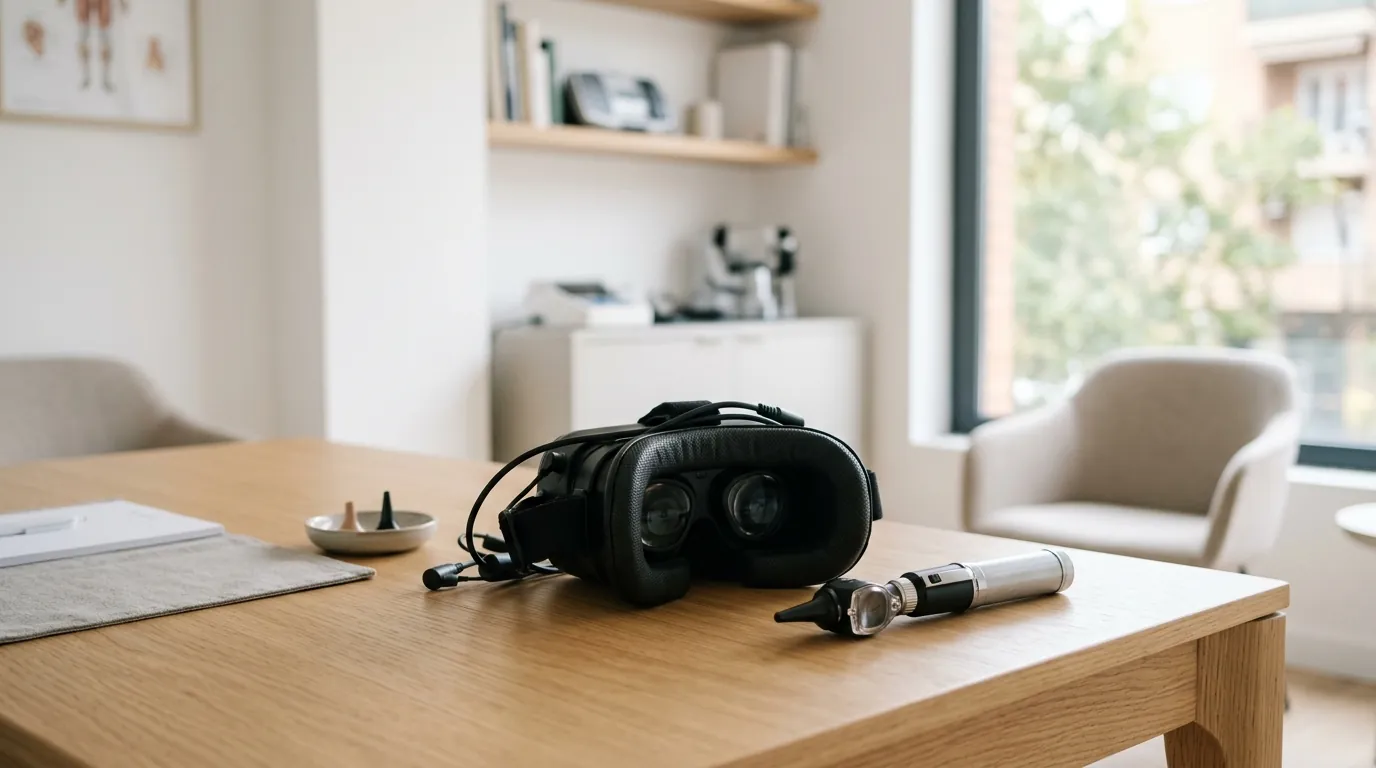
Otoneurology consultation: nystagmus examination, vestibular testing and repositioning manoeuvres for vertigo, dizziness and instability.
Otoneurology —or neurotology— is the subspeciality that combines otology, which studies the ear, with neurology, which studies the brain and nervous system. It is the consultation where it is identified which part of the balance system is failing and why, whatever the symptom you present with: vertigo, dizziness or unsteadiness.
The otoneurologist doesn't just look at the ear. They also look at the nerves connecting it to the brain, and how that network works alongside vision and the information received from the feet. That is why dizziness lasting for months often ends up here after passing through several clinics.
Vertigo, dizziness and unsteadiness are not the same thing
Hardly anyone arrives saying "I have a vestibular disorder": they arrive feeling dizzy. Giving a name to the symptom is the first step of the investigation.
- Vertigo: a spinning sensation, feeling that yourself or your surroundings are moving. It usually points to the inner ear.
- Dizziness: a more diffuse discomfort — lightheadedness, a foggy head, nausea when moving the head.
- Unsteadiness: feeling unsteady when walking or standing, without a spinning sensation.
All three can have a vestibular origin, but they are neither investigated nor treated in the same way: the treatment for positional vertigo is completely different from that for vestibular migraine.
What is investigated in this consultation
- Benign paroxysmal positional vertigo (BPPV).
- Vestibular neuritis and labyrinthitis.
- Ménière's disease and other syndromes presenting with recurrent vertigo attacks.
- Tinnitus and hearing loss.
- Otosclerosis.
- Vascular disorders and autoimmune inner ear diseases.
- Head injuries affecting balance.
- What we see most: Unsteadiness or dizziness with no clear cause after visiting other consultations.
How it is investigated: the tests
The consultation combines a detailed medical history —how long the episode lasts, what triggers it, what symptoms accompany it— with specific vestibular tests:
- Nystagmus examination, the involuntary eye movement that reveals issues in the vestibular system.
- Videonystagmography (VNG), which records these eye movements with a camera.
- Video head impulse test (vHIT), which assesses the vestibulo-ocular reflex of each canal.
- Vibration-induced nystagmus (VIN).
- Caloric tests, which evaluate the response of each ear separately.
- Vestibular evoked myogenic potentials (VEMP).
- Positional tests, which reproduce the vertigo and identify which canal is affected.
- Computerised dynamic posturography, which measures how balance is maintained while standing.
- Gait assessment.
The aim is not just to give a name to the dizziness: it is to find out where it comes from, because everything else depends on that.
Positional vertigo and manoeuvres
BPPV is a brief, intense vertigo triggered by certain head movements: turning in bed, bending down, looking upwards. When examination confirms that its cause is the displacement of otoliths, the treatment consists of repositioning manoeuvres, which are performed right in the consultation without medication. However, IMPORTANT: positional vertigo can also have a central origin, which is why it must be examined by experienced staff. It is one of the reasons why you should not resign yourself to recurring vertigo.
From diagnosis to training
Diagnosis is the first step and allows us to propose the most suitable treatment for each case. Specific pharmacological treatment is sometimes required, and when balance does not compensate fully on its own, vestibular rehabilitation may be indicated, which is carried out in this very unit. It is not a standardised step: it is evaluated in each case, depending on what the investigation shows.
When to book an appointment
- Spinning sensation or feeling that your surroundings are moving.
- Unsteadiness or feeling unsafe when walking.
- Nausea or vomiting when moving your head.
- Hearing loss or ringing in the ears.
- Difficulty focusing your vision when moving.
The consultation takes place at the centro médico de Málaga (La Rosaleda), within the Unidad Vestibular, under the name of Otoneurología. Book an appointment and we will start by understanding what is happening to you.
Frequently asked questions
What is the difference between an ENT specialist and an otoneurologist?
Otoneurology is the subspecialty that brings together otology and neurology: it looks not only at the ear, but also at the nerves connecting it to the brain and at how that network works together with vision and the information coming from the feet. It is where months-long dizziness usually ends up being sent.
I have been dizzy for months and all the tests come back normal. What should I do?
It is a very frequent reason for consultation. The fact that the general tests are normal does not mean there is nothing wrong: it means the balance system has to be studied specifically, with a targeted examination and vestibular tests.
Are vertigo, dizziness and unsteadiness the same thing?
No, and telling them apart is the first step. Vertigo is a spinning sensation and usually points to the inner ear; dizziness is a more diffuse feeling of unwellness; and unsteadiness is insecurity when walking without any spinning sensation. They are investigated and treated differently.
What does otoneurology treat?
Vertigo, dizziness and unsteadiness of vestibular origin: positional vertigo, neuronitis, Ménière's disease, vestibular migraine, tinnitus and associated hearing loss. It studies the inner ear together with its nerve connections and its relationship with vision and with sensation in the feet.
What symptoms does someone with a vestibular disorder have?
Spinning vertigo or unsteadiness, a sensation that your surroundings move when you turn your head, blurred vision on movement, nausea, insecurity when walking and, over time, a fear of moving. It may come with tinnitus or hearing loss if the problem lies in the inner ear.
Related articles
Vertigo and dizziness: causes, diagnosis and treatment
BPPV, vestibular neuritis, Ménière's or vestibular migraine: how vertigo differs from dizziness, which signs are urgent, and how b…
Dr Irene Mayorga Chamorro ·
Questions and comments
Ask the specialist who reviews this page or leave us a comment. Everything is reviewed before it is published.
To write, first confirm your email: we will send you a code.
Content reviewed by Dr Irene Mayorga Chamorro