
Sleep Unit: get back to resting well
Investigating insomnia and apnoea with polysomnography, and treatment with a multidisciplinary approach.
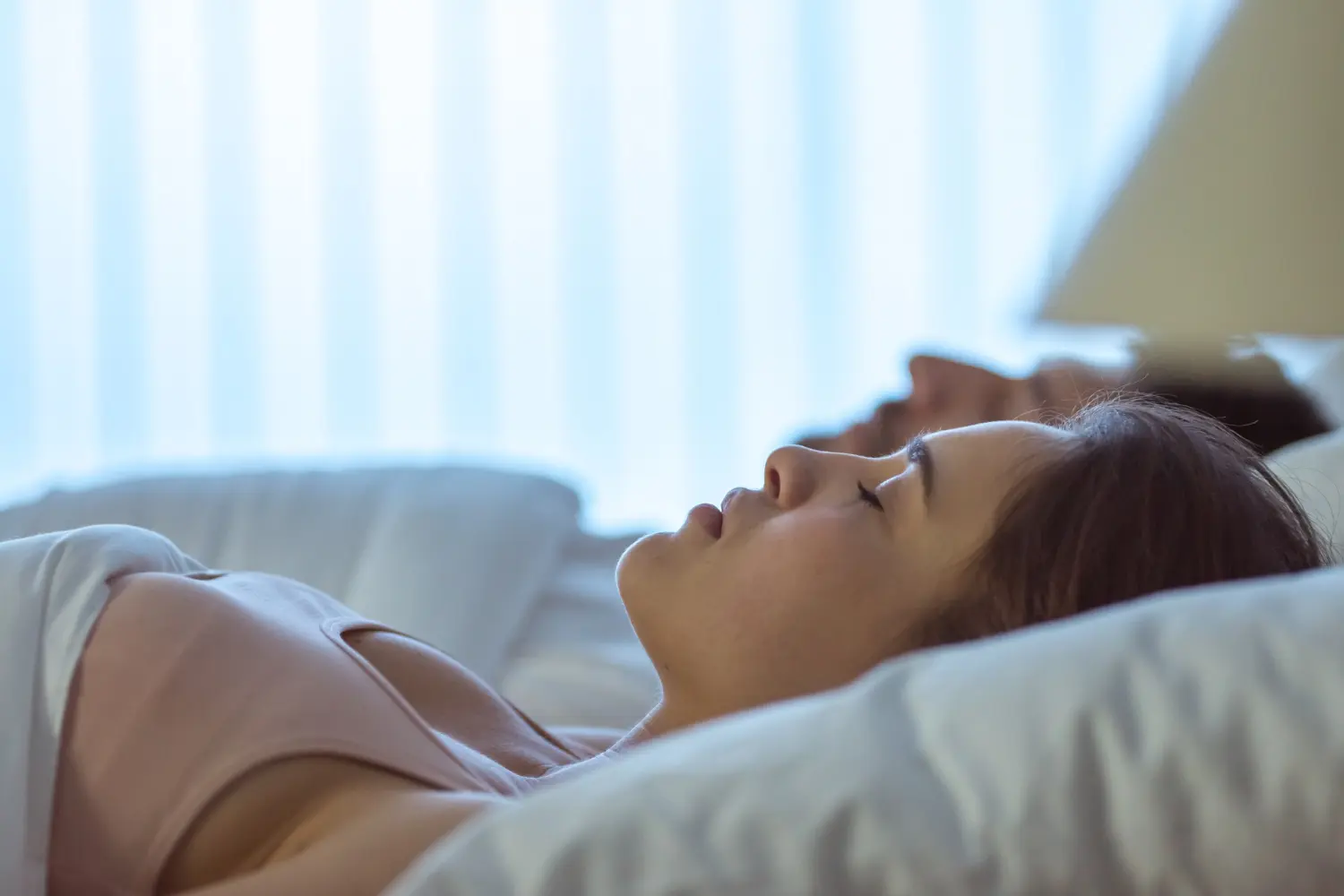
Good rest is essential for a healthy life. Our Sleep Unit is a specialised space for diagnosing and treating sleep disorders, with a comprehensive, multidisciplinary approach: conditions such as insomnia, obstructive sleep apnoea and other sleep-related breathing disorders are closely linked to various chronic diseases and to the sufferer's quality of life.
When to see the Sleep Unit
Any sleep disturbance causing tiredness, daytime sleepiness or poor performance should be assessed by a sleep medicine specialist. At the clinic, each patient gets a personalised assessment that identifies the cause of the problem and applies the most suitable treatment, aiming to restore restful sleep. Sleep-related breathing disorders, such as apnoea, are also managed in coordination with the respiratory medicine.
The sleep study: at home or at our facilities
The sleep study is the test that records what happens while you sleep and can confirm or rule out disorders such as apnoea. We offer two ways to carry it out: at your own home or at our facilities at the Rincón de la Victoria medical centre, designed to ensure patient comfort and diagnostic accuracy through tests such as polysomnography. Based on the results, the specialist reaches a diagnosis and proposes the most suitable treatment for each case.
Clinical neurophysiology
The unit draws on clinical neurophysiology, the area focused on diagnosing and treating diseases and disorders affecting the nervous system. Using electroneurography (ENG) and electromyography (EMG) studies, nerve function is assessed and possible injuries or disorders in the peripheral nerves are detected — valuable information for reaching an accurate diagnosis and designing a personalised treatment plan.
Electroneurography (ENG) and electromyography (EMG)
- ENG or nerve conduction studies assess how signals travel through the peripheral nerves — conduction speed and the size of the responses. During the procedure, small electrical pulses are applied at different points on the body and the responses are recorded.
- EMG studies analyse muscle electrical activity at rest, during a small contraction and during a maximum contraction. For this test a fine needle is inserted into different muscles and the patient is asked to make certain movements.
Combining both techniques makes it possible to identify conditions such as mononeuropathies, polyneuropathies, radiculopathies, plexopathies or myopathies, work out their location and severity, and decide on the best treatment for each patient.
Book an appointment at the Sleep Unit
If you wake up tired, feel sleepy during the day or your rest has stopped being restorative, don't treat it as normal: book an appointment and we'll assess your case. Because sleeping well isn't a luxury: it's health.
Areas within this specialty
Articles in this specialty
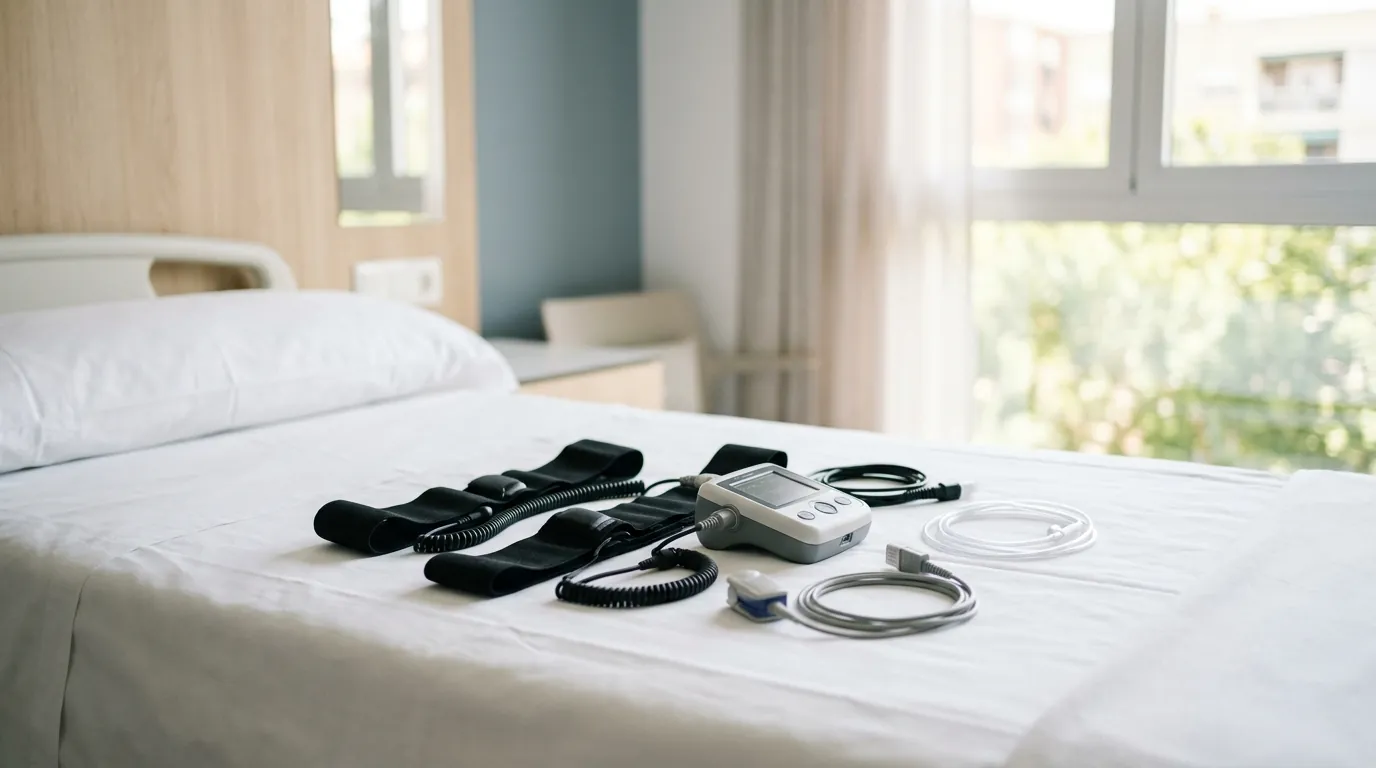
CPAP monitoring without leaving home: what telemonitoring is
The device records hours of use, leaks and residual apnoeas. What CPAP telemonitoring reveals, who it suits and what it does not r…
Miguel Ángel Sánchez de Toro ·
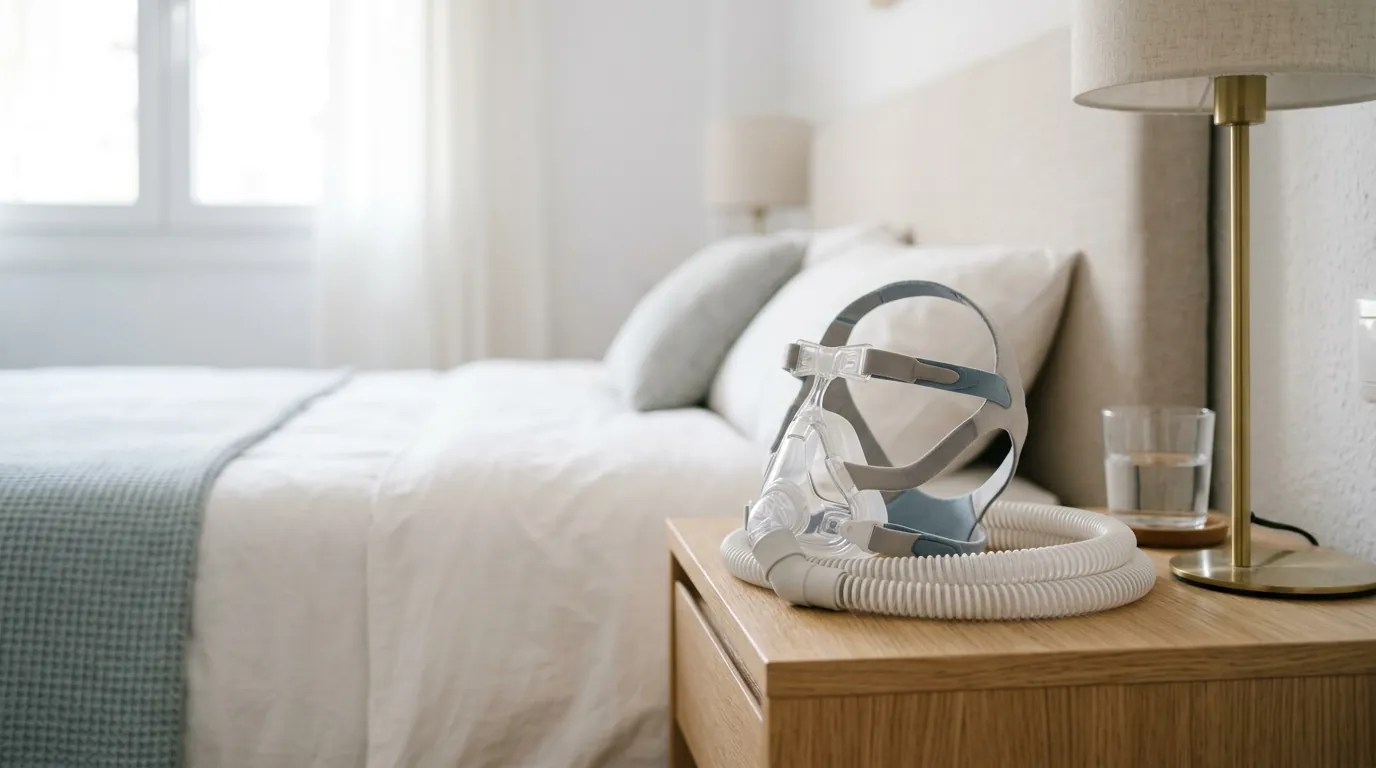
Fixed or automatic CPAP? What changes for the person using it
A CPAP holds a fixed pressure; an autoCPAP adjusts it on its own during the night. What sets them apart, when each is chosen, and …
Miguel Ángel Sánchez de Toro ·
Sleep apnoea: the condition many people have without knowing it
Snoring, breathing pauses and daytime tiredness: what sleep apnoea is, why it should be diagnosed early and what treatments exist.
Miguel Ángel Sánchez de Toro ·