
Pelvic floor physiotherapy
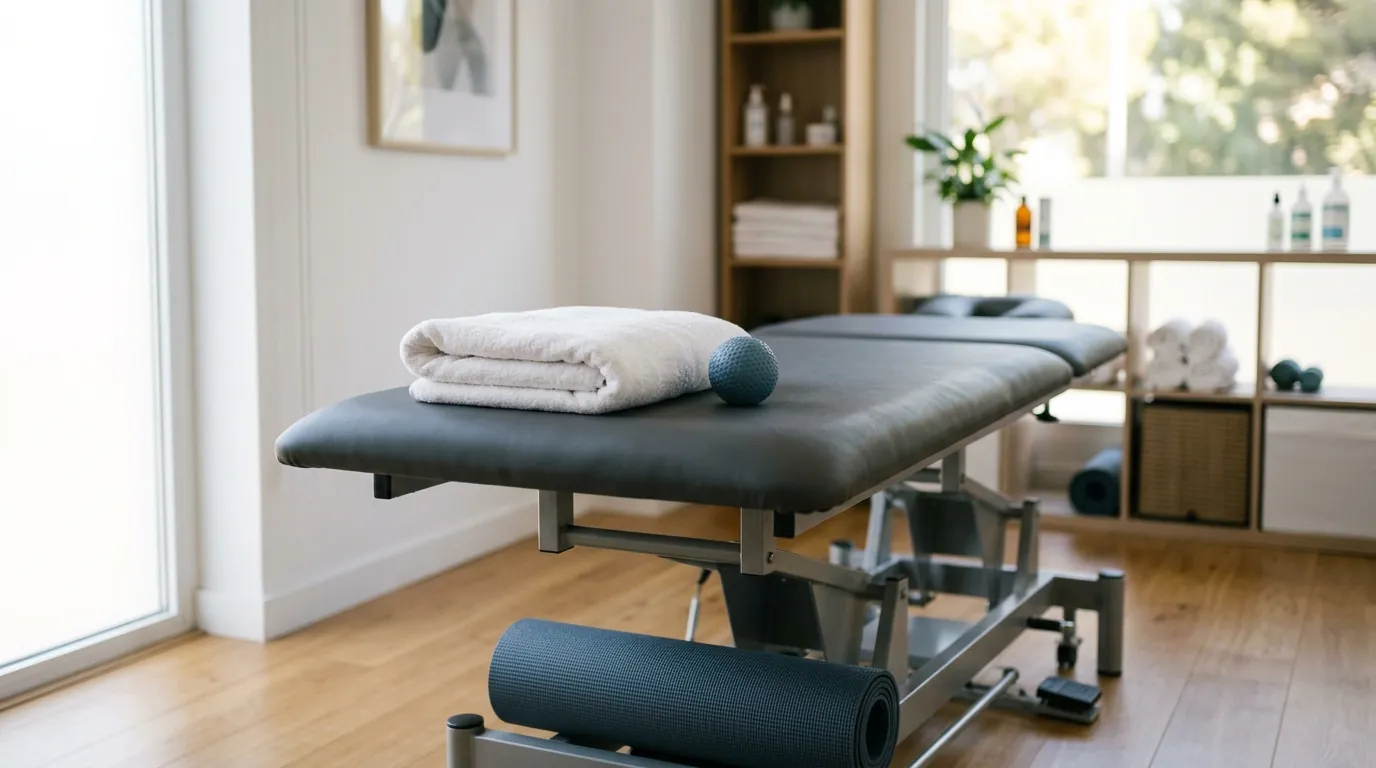
Urogynaecological and obstetric physiotherapy: pelvic floor assessment and treatment for urinary leakage, pelvic heaviness and postpartum recovery.
What the pelvic floor is and why it weakens
It's the group of muscles that closes off the pelvis from below and supports the bladder, uterus and rectum. It weakens — or becomes too tense — with pregnancy and childbirth, with menopause, with chronic constipation, with the repeated impact of some sports, or simply with age. It isn't an inevitable consequence of any of these: it's a muscle, and like any muscle it can be retrained.
When to book an appointment
- You leak urine when coughing, laughing, sneezing or running.
- A strong, urgent need to urinate, or needing to go at night.
- A feeling of heaviness or a bulge in the vagina.
- Pain during sex.
- After childbirth, with or without symptoms: a postpartum check-up is the best form of prevention.
- Before or after gynaecological or prostate surgery.
How we work
First, an assessment: which muscles are weak, which are too tight, how you breathe and how you bear down. From there a plan is designed that can include specific therapeutic exercise, hands-on work, biofeedback or electrical stimulation and — above all — exercises for home, because that's where progress is sustained.
What to expect
Results come with consistency, not in two sessions. Many mild cases of leakage improve a great deal with a well-designed programme; others need to be combined with medical treatment from urology or gynaecology, and physiotherapy remains useful before and after. Poorly done Kegel exercises, the famous ones, can make things worse, which is why they're taught only after an assessment.
Frequently asked questions
Are Kegel exercises suitable for everyone?
No. Some pelvic floors are weak and others are too tense, and in the latter Kegels done badly can make symptoms worse. That is why we first assess what is going on and then prescribe the appropriate exercise. It is the difference between training and training well.
When can I start after giving birth?
The postpartum assessment is the best prevention, and you can have it even without symptoms. The first work —breathing, posture, gentle activation— starts early; higher-load exercise waits until the tissues are ready. The plan is adapted to the type of birth and to your recovery.
Do men come to this service too?
Yes. Pelvic floor physiotherapy is especially useful before and after prostate surgery, where it helps to regain urinary control, and also in chronic pelvic pain. The pelvic floor is not a women's issue, even if it is rarely talked about.
What is a pelvic floor physiotherapy session like?
The first one is mainly an assessment: your history, breathing, posture and the state of the muscles are reviewed, with an examination if you give your consent. After that, sessions combine therapeutic exercise, manual work and, where appropriate, biofeedback or electrical stimulation, plus exercises to do at home.
What are 5 exercises to strengthen the pelvic floor?
There is no single routine that works for everyone: some pelvic floors are weak and others are too tense, and in the latter strengthening exercises make symptoms worse. That is why we assess first and prescribe afterwards, almost always starting with breathing and postural control rather than with contracting.