
Manual lymphatic drainage
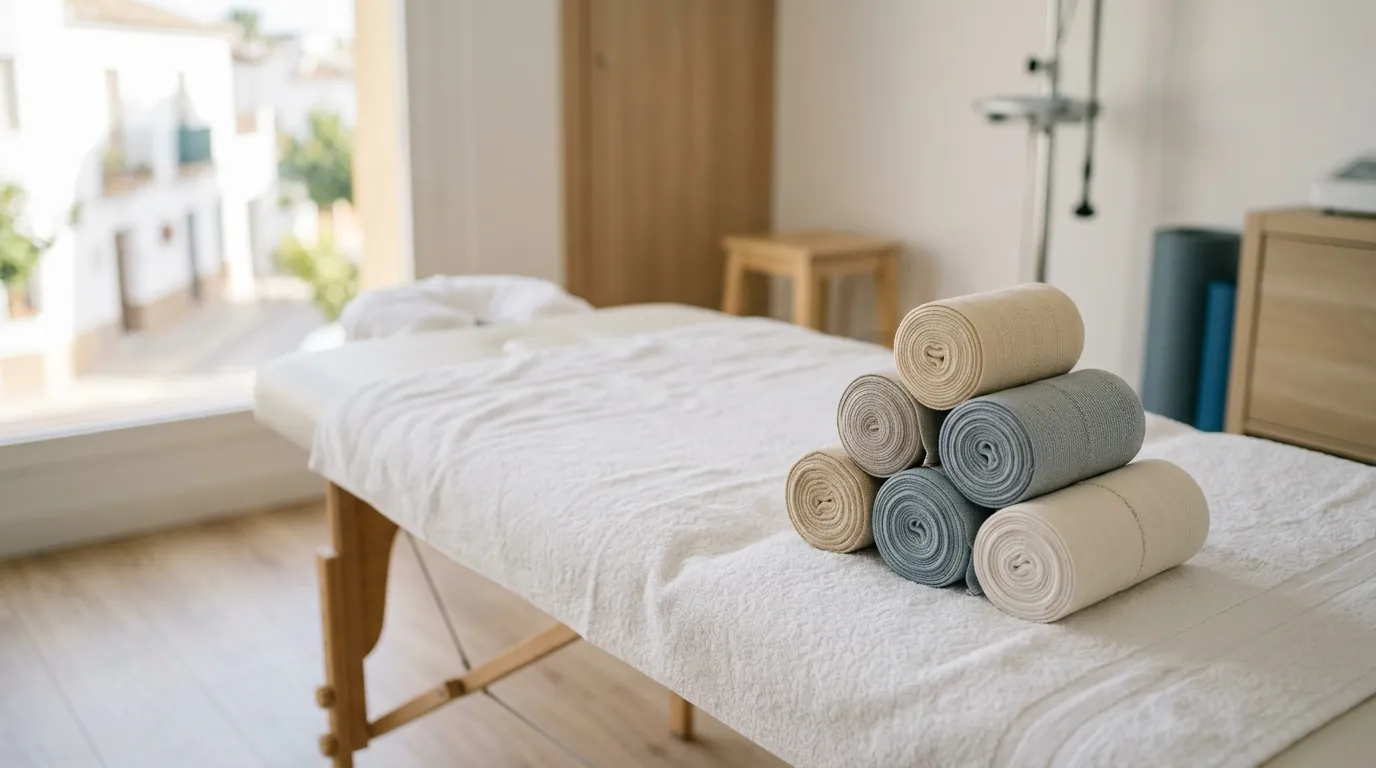
Manual lymphatic drainage for the treatment of lymphoedema, lipoedema, post-operative swelling and fluid retention, with complex decongestive therapy and self-care guidelines.
What it is and what it is not
Manual lymphatic drainage is a very gentle, slow-rhythm pressure technique that stimulates the lymphatic system to evacuate fluid accumulated in tissues. It is neither a deep tissue massage nor a relaxation massage: if firm pressure is applied, it is not drainage. When performed correctly, it is one of the most effective tools against swelling.
When it is indicated
- Lymphoedema
- Lipoedema
- Swelling after surgery or trauma
- Tired and swollen legs
- Fluid retention during pregnancy
- Recovery following cosmetic surgery.
What the treatment involves
Treatment begins by opening the drainage pathways — neck and lymph nodes — and progresses along specific routes, always in the direction of lymphatic drainage. Sessions last between thirty and sixty minutes depending on the area. Lymphatic drainage is combined with compression bandaging or a compression garment, skin care, and exercise: this is known as complex decongestive therapy, and it is the only approach that maintains the results.
Precautions
There are situations in which it is not applied or is performed under specific conditions: acute infection in the area, recent thrombosis, decompensated heart failure, or cancer under active treatment without prior evaluation. During the first session, your medical history is reviewed to make this decision. If lymphoedema appears following breast surgery, treatment is coordinated with the Breast Unit.
Frequently asked questions
Does lymphatic drainage help you lose weight?
No. It moves retained fluid, not fat. It can reduce circumference and the feeling of heaviness because it decongests the area, but it is not a weight-loss treatment. When that is the goal, a nutrition appointment is what is called for.
Is it a firm massage?
Quite the opposite: it is a very gentle pressure technique with a slow rhythm, following specific pathways. If it presses hard, it is not lymphatic drainage. The sensation is pleasant and many people become drowsy during the session.
Does it help with lymphoedema after breast surgery?
Yes, and it is one of its main indications. In lymphoedema the manual technique is combined with compression bandaging or a compression garment, skin care and exercise: this is what is known as complete decongestive therapy, the only approach that sustains the result over time.
Who should not have lymphatic drainage?
It is contraindicated or postponed in acute infection of the area, recent thrombosis, decompensated heart failure, severe kidney failure and cancer under active treatment without a prior assessment. At the first session your history is reviewed in order to decide; that is why it is not a massage you can simply buy off the shelf.
How do you know if you need lymphatic drainage?
The indication is set by the diagnosis, not by feeling bloated: lymphoedema, swelling after surgery or injury, heavy legs from venous insufficiency or fluid retention in pregnancy. If the swelling comes on suddenly, is painful or affects only one leg, a thrombosis has to be ruled out first.
Questions and comments
Ask the specialist who reviews this page or leave us a comment. Everything is reviewed before it is published.
To write, first confirm your email: we will send you a code.
Content reviewed by Ana Campos Ramos