
Sports injuries
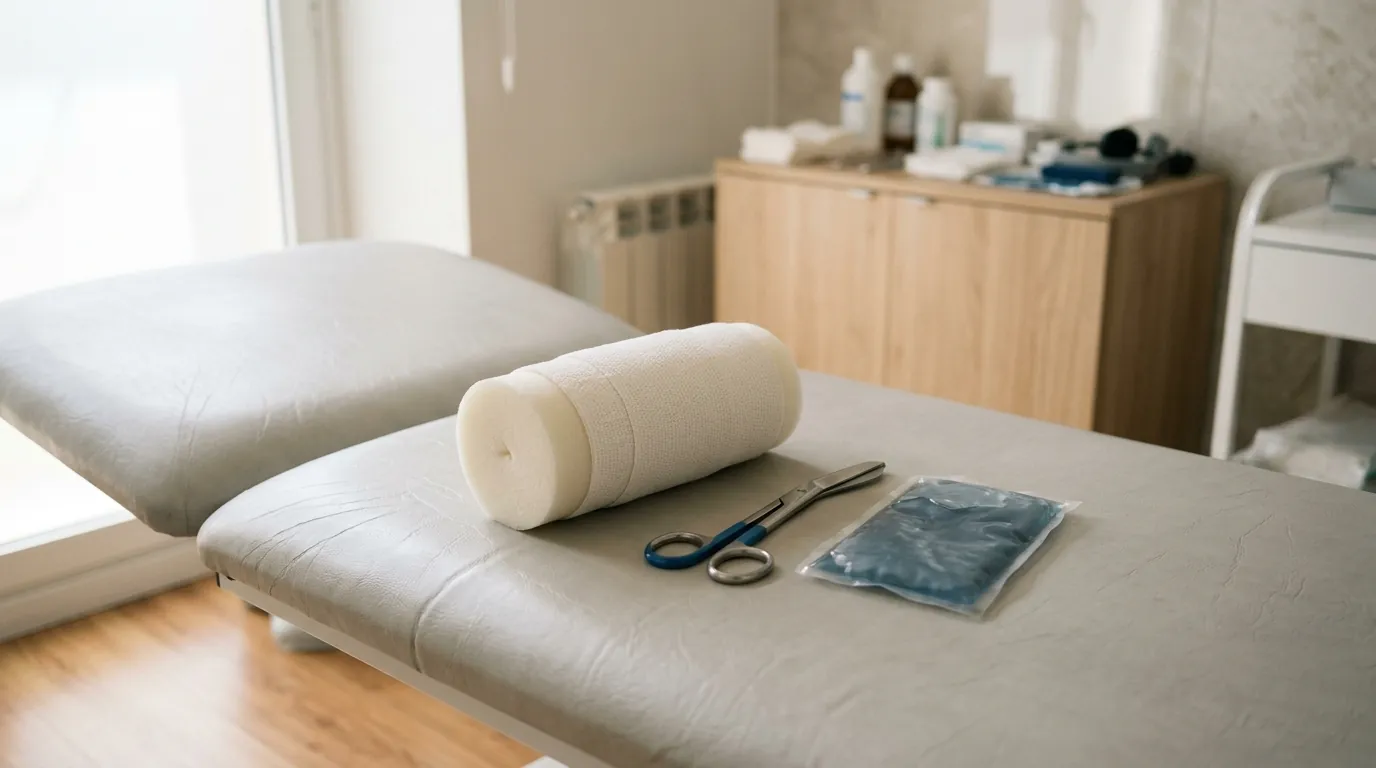
Sports injury care: sprains, muscle tears, tendinopathies and knee injuries, with imaging diagnosis and a return-to-sport plan.
What we see most
- Ankle sprain, the most common sports injury and the one that's rehabilitated worst.
- Muscle tears of the hamstrings, calf and adductor.
- Knee injuries: meniscus, cruciate ligament, collateral ligament.
- Overuse tendinopathies: patellar, Achilles, tennis elbow.
- Overload and stress fractures in runners.
The first few hours
With an acute injury: stop the activity, apply ice in short spells, gentle compression and elevation, and avoid heat, deep massage and alcohol for the first 48 hours. See us promptly if you can't put weight on it, if the joint has become deformed or has suddenly swollen, if you heard a snap, or if there's a clear loss of strength: that's not something to wait and see about.
Diagnosis
A specific examination of the affected joint, X-ray when a fracture needs ruling out, and ultrasound for muscle and tendon; MRI is reserved for ligament and meniscus injuries or when recovery isn't going as expected. Naming the injury and grading it is what allows a realistic timeline to be given.
Treatment and return to sport
Most sports injuries are treated without surgery, with a progressive loading programme from the very start — prolonged rest is now the exception, not the rule. Sports physiotherapy leads recovery and retraining, and discharge is decided by strength and function criteria, not the calendar. It's the only way to lower the risk of the same injury coming back in three months.
Frequently asked questions
What should I do in the first few hours after an injury?
Stop the activity, apply cold in short periods, use gentle compression and elevation, and avoid heat, vigorous massage and alcohol for the first 48 hours. Seek advice promptly if you cannot bear weight, if the joint became deformed or swelled suddenly, if you felt a snap or if there is a clear loss of strength.
How long does a sprain or a muscle tear take to heal?
It depends on the grade, which is why it matters to put a name to the injury with an examination and, if needed, an ultrasound scan. What we do know is that prolonged rest is no longer the rule: progressive loading from the outset speeds up recovery and reduces relapses.
Can I keep training other things while I recover?
Almost always yes, adapting the activity so you maintain fitness without punishing the injured area. That plan is agreed with the physiotherapy team and is part of the treatment: complete inactivity usually makes the return take longer.
How long does a muscle tear take to heal?
It depends on the grade and the muscle: mild injuries resolve in two or three weeks and more extensive ones can take six to eight. The real timescale is set by the recovery of strength and tolerance to load, not by the calendar; going back too soon is the main cause of relapse.
Is walking good with a muscle tear?
Yes, if it does not hurt: prolonged complete rest delays recovery. You start with gentle, progressive loading from the first few days, avoiding the movement that caused the injury and aggressive stretching. The specific plan is set by the grade of the injury.