Deviated septum
Assessment and surgery for a deviated nasal septum: septoplasty and functional nasal surgery to restore normal nasal breathing.
When the septum is the problem
Almost everyone's septum is slightly off-centre, and it's usually nothing. It becomes a problem when it persistently blocks airflow through one or both nostrils. That's when a permanently blocked nose appears, mouth breathing — especially at night —, a dry throat on waking, snoring, colds that drag on, recurring sinusitis, and sometimes bleeding from the dry area.
Assessment before surgery
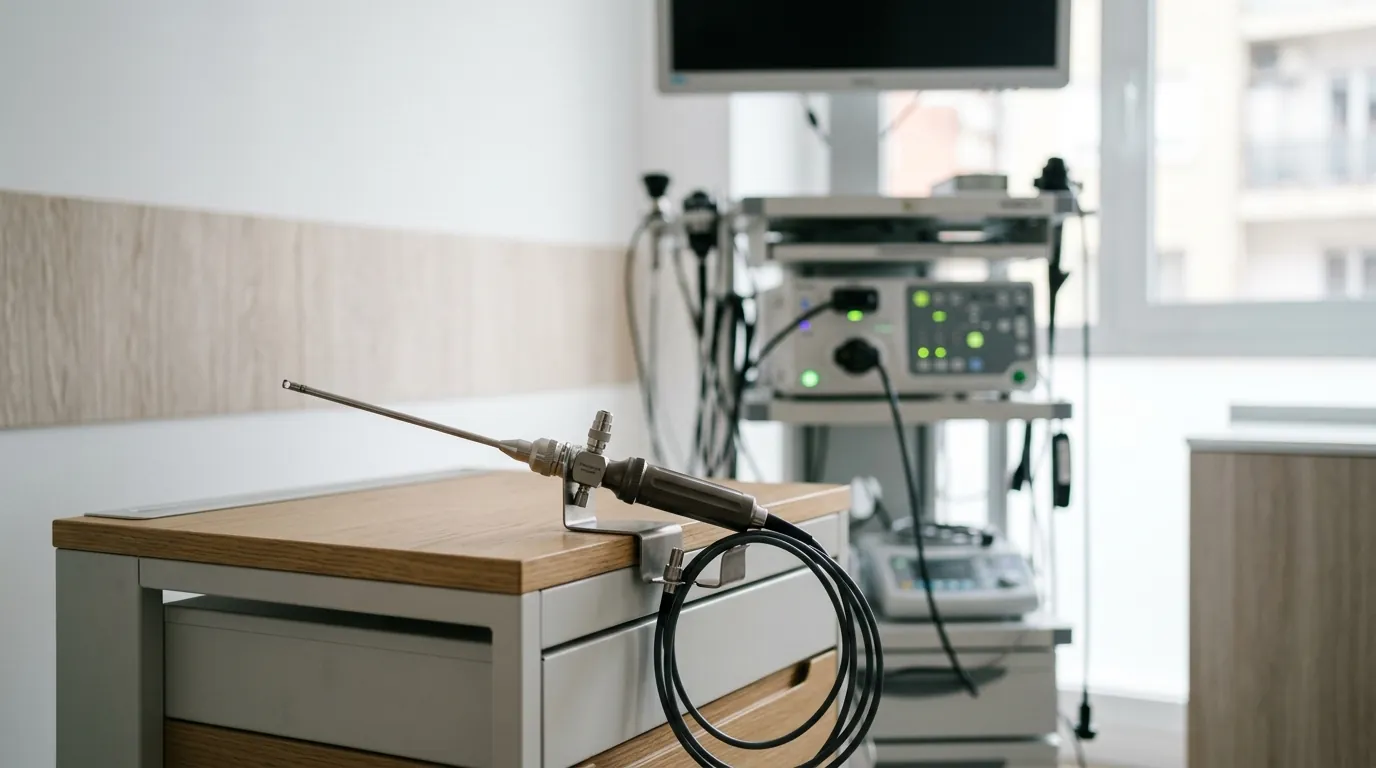
Not every blocked nose is a septum problem. The ENT clinic examines the nostrils — with an endoscope where needed — and rules out other very common causes: allergic rhinitis, enlarged turbinates, polyps, rebound rhinitis from overusing decongestant sprays. Many of these improve with medical treatment, and then surgery isn't needed.
Septoplasty
When the obstruction is structural and doesn't respond to treatment, septoplasty straightens the septum. It's done from inside the nose — no visible scars —, under general anaesthetic, usually as day surgery or with one night's stay. If the shape of the nose also needs correcting for functional reasons, a functional rhinoseptoplasty.
Recovery
For the first few days the nose is congested and swollen: that's normal and doesn't mean the surgery hasn't worked. Nasal rinses are prescribed, strenuous activity and blowing your nose hard are avoided, and there are follow-up visits to clean the nostril. The feeling of breathing well settles in over the following weeks. The surgery aims for function: breathing; if a cosmetic change is also wanted, that's discussed openly at the prior consultation.
Frequently asked questions
Does everyone with a deviated septum need surgery?
No. Almost all of us have it slightly deviated and nothing comes of it. Surgery is considered when it persistently obstructs the airflow and does not respond to medical treatment. Many blocked noses are rhinitis, turbinates or polyps, and those improve without an operating theatre.
Does septoplasty leave a scar or change the outside of the nose?
It is performed inside the nose, with no visible scars, and it aims at function: breathing. If in addition you want the shape corrected for functional reasons, we are talking about rhinoseptoplasty, and exactly what changes and what does not is explained in the prior consultation.
Can a deviated septum be corrected without surgery?
The septum itself, no: it is a structure of bone and cartilage. What can be treated without surgery is what often accompanies and worsens the obstruction —allergic rhinitis, turbinate hypertrophy, polyps— and in quite a few cases that is enough to breathe well enough to avoid an operation.
What happens if you have a deviated septum?
If it does not obstruct, nothing: almost all of us have one that is slightly deviated. When it does obstruct, you get an almost permanently blocked nose, mouth breathing —especially at night—, a dry throat on waking, snoring, repeated sinusitis and sometimes bleeding from the dry area.
Questions and comments
Ask the specialist who reviews this page or leave us a comment. Everything is reviewed before it is published.
To write, first confirm your email: we will send you a code.
Content reviewed by Dr Irene Mayorga Chamorro