
Consejos
Published on
What does an otolaryngologist do? What they treat and when to see an ENT
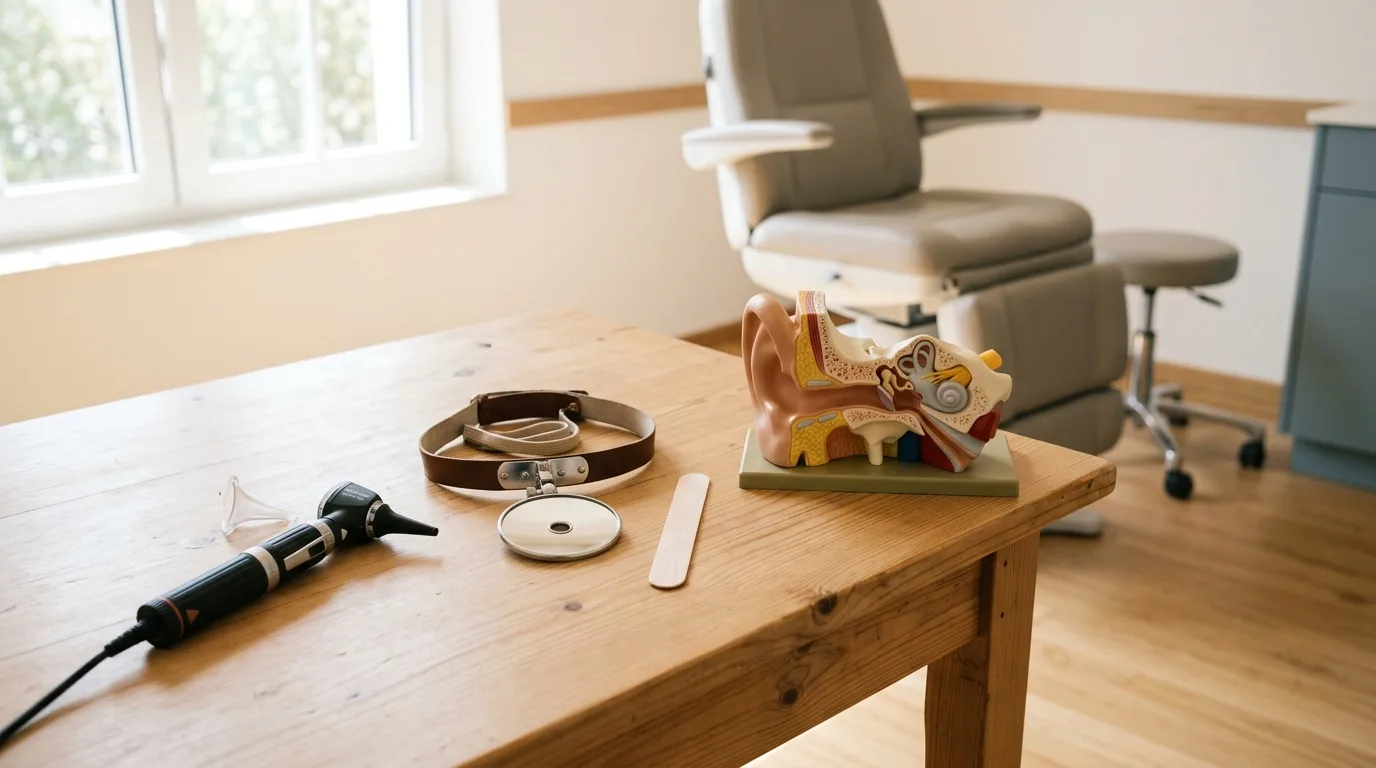
What an otolaryngologist (ENT specialist) is, which ear, nose and throat problems they treat, what tests they do and which symptoms mean you should book.
What is an otorhinolaryngologist (and why are they called ENT)?
An otorhinolaryngologist, or otolaryngologist, is a doctor who specialises in diseases of the ear, nose, sinuses, throat and larynx, as well as other structures of the head and neck. The name sums up the specialty: oto (ear), rhino (nose) and laryngo (larynx). Because the word is such a mouthful, in everyday use people simply say ‘ENT’ (ear, nose and throat), and in Spain you will also see the abbreviation ORL. There is no difference between an ENT specialist and an otorhinolaryngologist: they are the same professional.
In Spain, to become an otorhinolaryngologist you have to complete a six-year degree in Medicine and then four years of training in the specialty as a resident doctor (MIR). An ENT specialist is therefore a doctor who diagnoses, orders tests, prescribes treatment and, when needed, operates: otorhinolaryngology is both a medical and a surgical specialty.
What an ENT specialist treats: ear, nose, throat, head and neck
Ear
- Infections such as otitis, of the outer or middle ear.
- Earwax build-up that blocks the ear or makes it harder to hear.
- Hearing loss at any age, and ringing or buzzing in the ear (tinnitus).
- Balance problems that originate in the inner ear, such as some types of vertigo.
Nose and sinuses
- A blocked nose that won't clear or that forces you to breathe through your mouth.
- A deviated nasal septum.
- Recurrent or chronic sinusitis and nasal polyps.
- Frequent nosebleeds and loss of smell.
Throat and larynx
- Recurrent tonsillitis.
- Hoarseness, voice changes and vocal cord lesions.
- Discomfort or difficulty when swallowing.
- Snoring and sleep apnoea, where the specialist assesses whether there is a cause in the nose or throat.
Head and neck
ENT specialists also investigate lumps in the neck and problems with the salivary glands, and work with other specialties on the diagnosis and treatment of tumours in this area.
When to see an ENT specialist: the symptoms that warrant it
Many ear, nose and throat complaints are short-lived and can be dealt with by your GP. It's a good idea to see an ENT specialist when:
- You notice your hearing is getting worse, or you need to turn up the volume on the TV.
- You have earache that keeps coming back, or discharge from the ear.
- You hear ringing or buzzing that doesn't go away.
- Your nose is blocked almost all the time or you get sinusitis again and again.
- You snore a lot and the person sleeping next to you notices pauses in your breathing.
- You have been hoarse for more than two or three weeks.
- You find it hard to swallow or have a persistent feeling of something in your throat.
- A lump appears in your neck that doesn't go away within a few weeks.
Some situations shouldn't wait for a scheduled appointment. Sudden hearing loss in one ear, with no obvious cause, needs to be assessed by a doctor as soon as possible. And difficulty breathing, a heavy nosebleed that won't stop, or a high temperature with a very sore throat and difficulty opening your mouth are reasons to go to the emergency department.
What tests are done at an ENT appointment
The first visit starts with a conversation about your symptoms and an examination. Depending on why you've come, the ENT specialist may carry out some of these tests, which are almost always quick and painless:
- Otoscopy. The specialist looks at the ear canal and eardrum through a small lighted lens or a microscope. This is how an earwax blockage or an ear infection can be seen.
- Audiometry. Wearing headphones in a soundproof booth, you indicate when you hear a series of tones. It measures how well each ear hears and at which frequencies, and can be complemented by a speech recognition test.
- Tympanometry. A small probe placed at the entrance to the ear slightly changes the pressure and records how the eardrum moves. It is useful for detecting fluid behind the eardrum, which is common in children.
- Flexible nasendoscopy. A thin, flexible tube with a camera is passed through the nose to view the nasal passages, pharynx and larynx, including the vocal cords. It takes a few minutes and, if needed, a local anaesthetic spray is applied first.
Not every test is done at every visit. If your case requires it, the specialist may also request imaging tests or refer you to another clinic.
ENT specialist, otoneurologist and hearing aid audiologist: who's who
Several professionals work with the ear, and it's easy to mix them up:
- Otorhinolaryngologist (ENT specialist). This is the specialist doctor. They diagnose the cause of hearing loss, earache or vertigo and decide on treatment, whether medical or surgical.
- Otoneurologist. Otoneurology is a subspecialty that studies the balance system and its connections with the brain. Otoneurologists mainly see vertigo, dizziness and unsteadiness that aren't explained at a first assessment. You can read more on the otoneurology page.
- Hearing aid audiologist. In Spain, this is a technician with the higher vocational qualification in hearing aid audiology (técnico superior en Audiología Protésica), sometimes called an ‘audiologist’. They carry out hearing tests aimed at fitting hearing aids and take care of adjusting and maintaining them. They don't diagnose ear diseases, so if you have hearing loss it's advisable to have it assessed by a doctor first.
And when the problem affects the voice or swallowing, the ENT specialist can call on a speech and language therapist for rehabilitation.
ENT for children
A large share of ENT appointments are for children. The most common reasons are:
- Recurrent ear infections or persistent fluid behind the eardrum, which can make a child's hearing worse for weeks.
- Enlarged adenoids and tonsils, which can cause snoring, mouth breathing, pauses in breathing during sleep or frequent infections.
- Concerns about hearing: a child who doesn't respond when called, who turns the volume right up or whose speech is delayed.
- Objects pushed into the nose or ear, which is common in young children. It's best not to try to remove them at home, because they can be pushed further in.
When a hearing problem may be affecting speech and language, the ENT specialist and the speech and language therapist usually work together.
If you have any of the symptoms we've covered, on our Ear, Nose and Throat (ENT) page you'll find out what the appointment involves and how to book.
Article pending medical review. This is general information that has not yet been reviewed by a professional on our team and does not replace a consultation.