
Sleep study
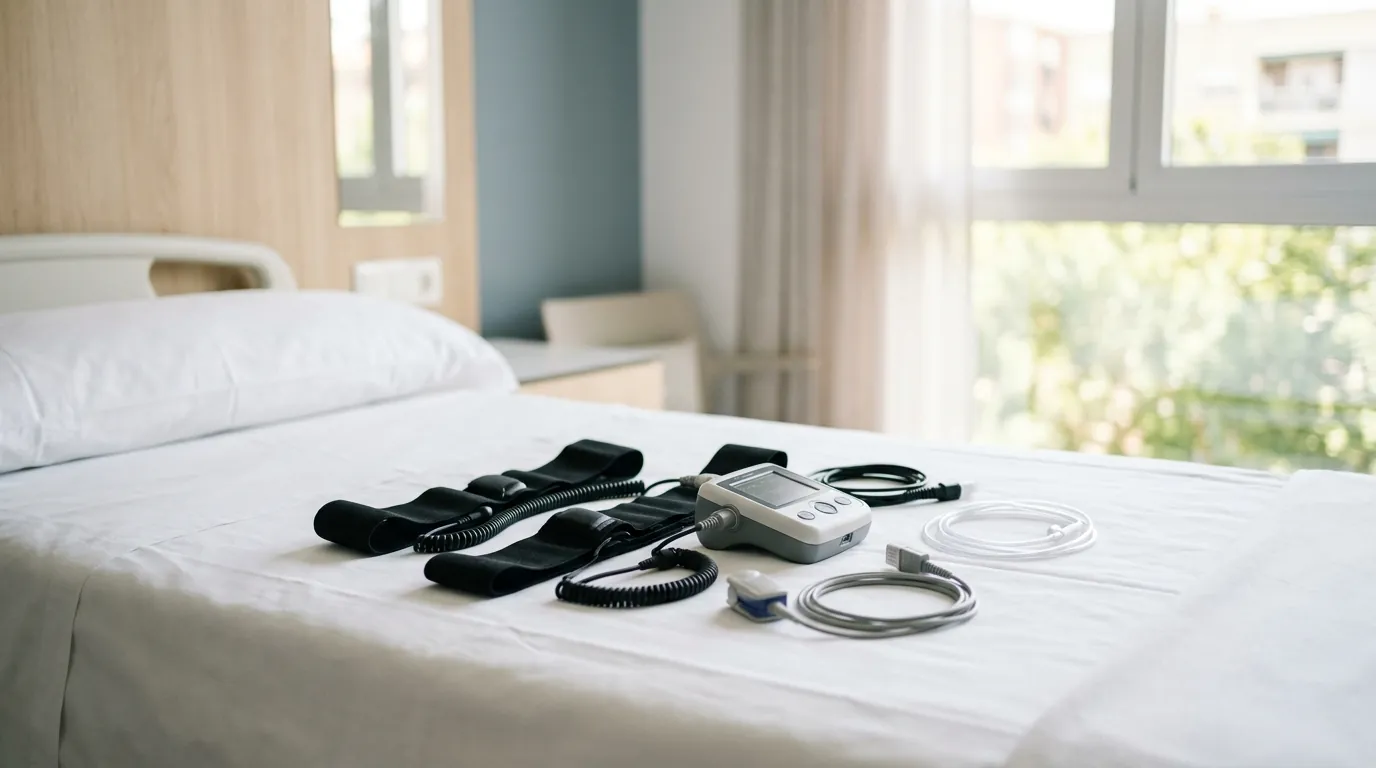
Sleep study with respiratory polygraphy or polysomnography: an overnight recording to diagnose sleep apnoea and other sleep disorders.
What's recorded
A sleep study measures what happens while you sleep over one full night. Depending on the suspicion, one of these is used:
- Respiratory polygraphy: airflow through the nose and mouth, chest and abdominal breathing effort, blood oxygen, snoring and body position. In many cases this can be done at home, sleeping in your own bed.
- Polysomnography: adds recording of brain activity, eye movements and muscle tone, which allows the stages of sleepto be seen. It's the most complete study and is reserved for cases that need it.
When it's indicated
- Loud snoring with breathing pauses noticed by whoever sleeps with you.
- Daytime sleepiness, nodding off at the wheel, a feeling of never resting.
- Waking up gasping, night sweats, needing to urinate several times.
- Hard-to-control high blood pressure, arrhythmias or obesity, which are often linked to apnoea.
- Persistent insomnia that isn't improving, or abnormal movements during the night.
How to prepare
Eat a light dinner at your usual time, with no alcohol, coffee or naps that day; shower with no creams or hair gel so the sensors stick properly; and mention any medication you take, especially sleep medication. The idea is to reproduce as normal a night as possible, because that's what needs to be measured.
The result
The recording is analysed by the specialist, producing an index of events per hour that grades the severity. From there, treatment is decided: positional and weight measures, a mandibular advancement device, CPAP or a surgical assessment.
Frequently asked questions
Is the sleep study done at home or as an inpatient?
It depends on the type. Respiratory polygraphy can in many cases be done at home, sleeping in your own bed, which is where your night is best reproduced. Polysomnography, which adds a recording of the sleep stages, is more comprehensive and is reserved for cases that require it.
What if I sleep badly that night because of the wires?
That is the norm on the first night and even so the recording is usually valid: what is analysed is actual hours of sleep and events per hour, you do not need to sleep straight through. It helps to have a light dinner, with no alcohol or coffee, not to nap that day and to go to bed at your usual time.
Which conditions does a sleep study detect?
Above all obstructive sleep apnoea and pathological snoring, and also restless legs syndrome, periodic limb movements, sleep-wake rhythm disorders and parasomnias. Depending on what is suspected, either respiratory polygraphy or full polysomnography is chosen.
What happens if I can't fall asleep during a polysomnography?
It is a very common worry and it rarely invalidates the test: almost everyone sleeps more than they think, and the recording only needs a few hours of real sleep to be interpretable. If you truly cannot manage it, repeating it or switching to another format is considered.
Related articles
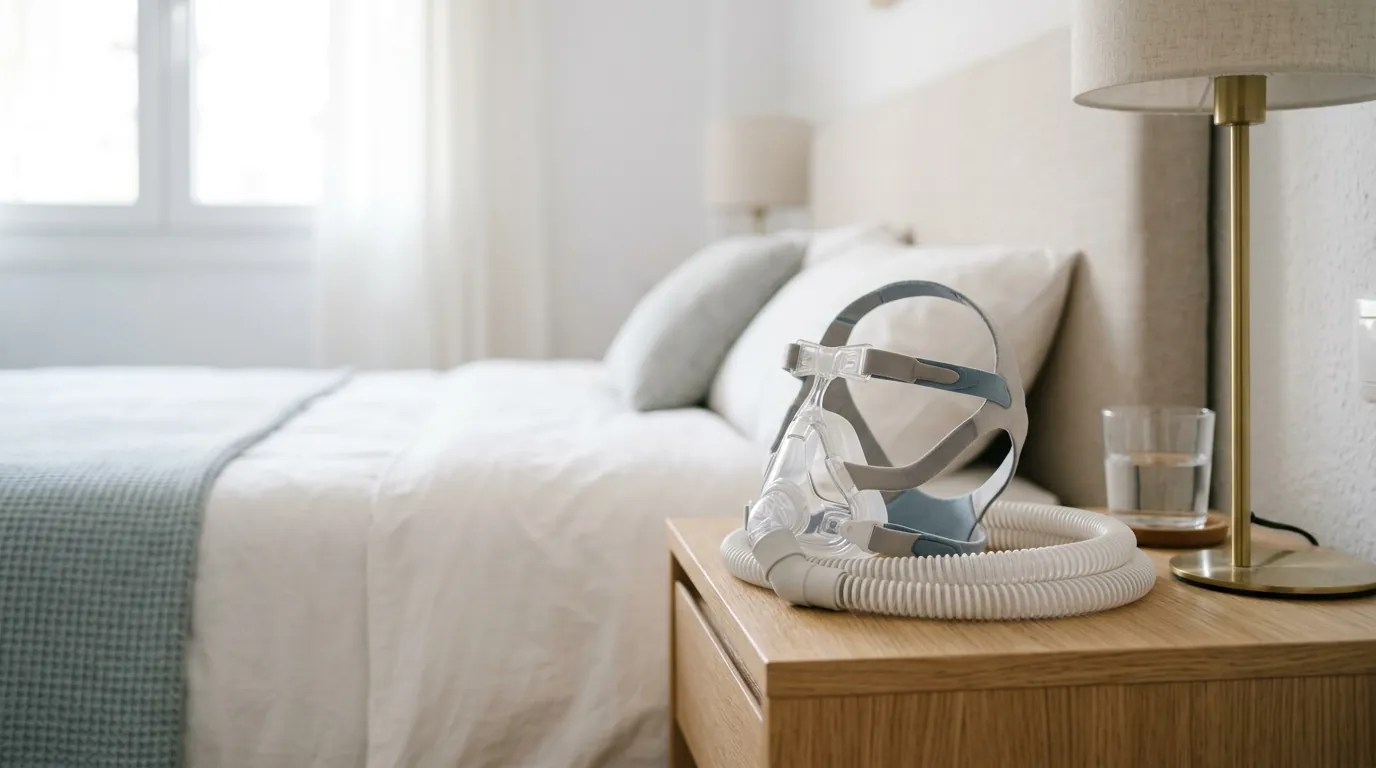
Fixed or automatic CPAP? What changes for the person using it
A CPAP holds a fixed pressure; an autoCPAP adjusts it on its own during the night. What sets them apart, when each is chosen, and …
Miguel Ángel Sánchez de Toro ·
Sleep apnoea: the condition many people have without knowing it
Snoring, breathing pauses and daytime tiredness: what sleep apnoea is, why it should be diagnosed early and what treatments exist.
Miguel Ángel Sánchez de Toro ·