
Sports biomechanics: return to activity after an injury
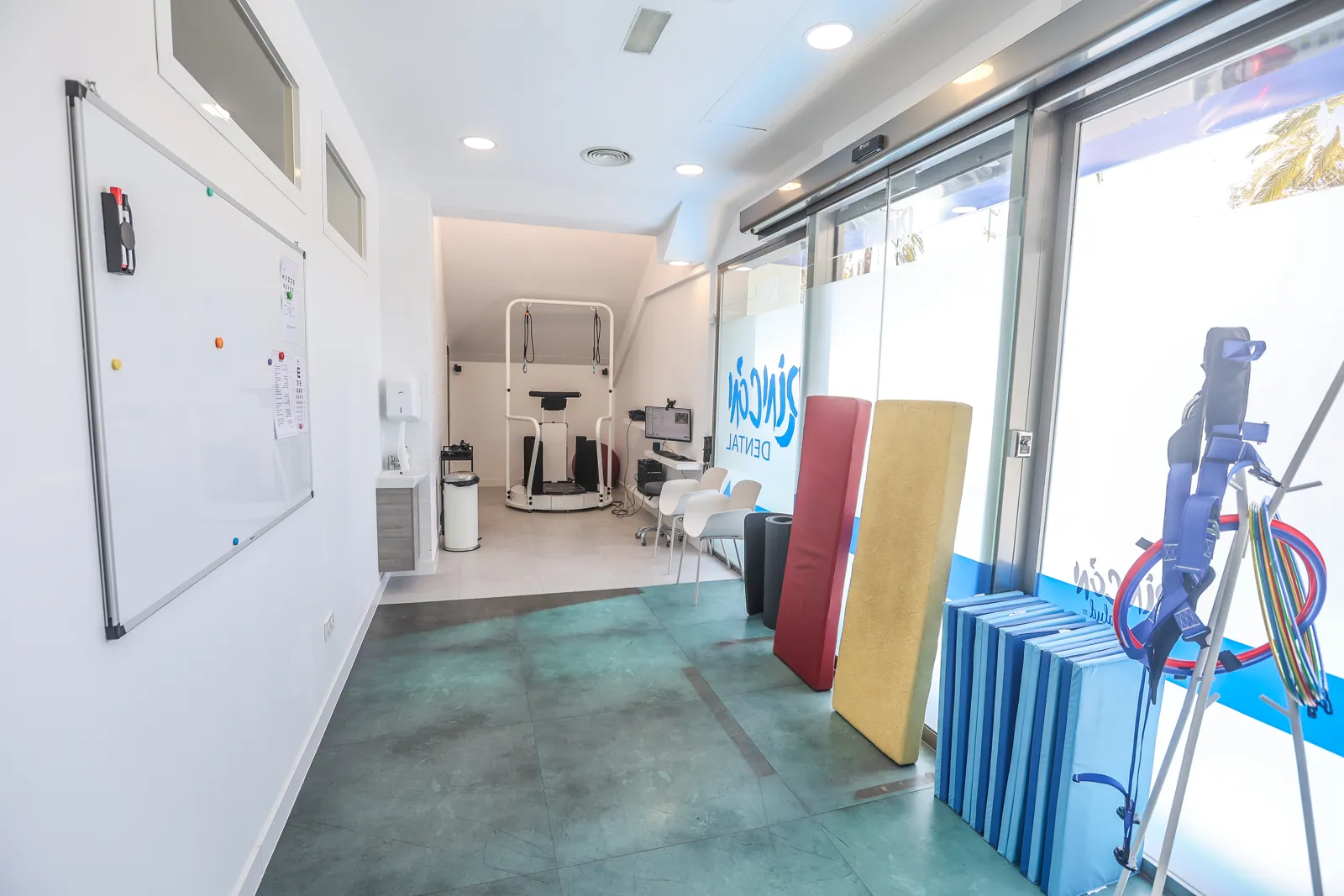
Strength, mobility, and gait tests to use data when deciding when to return to training or competition after an injury, and to identify side-to-side imbalances.
In sports, the question is not whether it hurts, but whether the area can withstand the load. A muscle tear that no longer hurts may still retain a strength deficit compared to the other leg, and this deficit can influence the risk of relapse, although on its own it does not allow for prediction. Biomechanical tests measure strength on each side, mobility, fatigue, and gait or running mechanics, comparing the injured area with the healthy side and expected values.
When it is requested
- Return to activity after an injury. So that the decision for sports clearance is supported by objective measurements, alongside the physical examination, pain levels, and athlete confidence.
- Pre-season. To identify strength or mobility imbalances between sides and establish a personal baseline measurement. It does not allow predicting who will suffer an injury.
- Signings and contract renewals. As an objective assessment of musculoskeletal status.
Injuries assessed
Pubalgia (osteitis pubis), muscle tears, Achilles tendon injuries, hamstrings, knee ligaments and menisci, patellar tendinitis, and shoulder instability.
Who it coordinates with
With the group's orthopaedics and physiotherapy departments during recovery, and with sports medical check-ups when the assessment is part of a sports medical review. If you are looking for a gait analysis for running or custom insoles, please see Podiatry's biomechanical gait analysis.
Frequently asked questions
Is it suitable for amateur athletes or only for professionals?
For both, always with a doctor's recommendation. It is also suitable for anyone who practises sport as a hobby and wants to get back to running or playing with greater confidence.
When is the return-to-sport test performed?
At the end of rehabilitation, when there is no longer any pain and sports clearance is about to be decided.
Is it a running biomechanical study?
No. Running and gait analysis is performed by Podiatry. Here, the strength and function of the injured area are measured.
How do I know if I have recovered from a muscle tear or a muscle injury?
It is not enough for the pain to have stopped or for the expected weeks to have passed: return to activity is decided by criteria, not by the calendar. The criteria used include recovering full mobility, tolerating strength training and progressive running without pain during or after, and ensuring the strength of the injured side is similar to that of the uninjured side; a difference in strength between legs is a factor to consider, although on its own it does not predict a relapse. Biomechanical testing measures mobility and strength and compares them with the uninjured side, so that the sports clearance decision is backed by data.
What is the limb symmetry index (LSI) and what percentage is needed to return?
The limb symmetry index (LSI) is the percentage of strength, or jump performance, of the injured side compared to the uninjured side. The most widely used threshold to authorise return to play is 90% or higher, particularly in knee injuries measured with isokinetic dynamometry, but recent evidence insists that it should not be used in isolation, but alongside functional tests, tissue healing time, and the athlete's confidence. For this reason, the report does not provide an automatic 'fit' status: it describes the measurements and what still remains to be recovered, and the decision is made by the doctor or physiotherapist managing your recovery with that data in hand.
What is an isokinetic test and what is it used for after an injury?
It is a strength test in which the device maintains a constant movement speed and measures the force applied at each degree of the range of motion. It allows the injured side to be compared with the healthy one, evaluates the relationship between opposing muscles (for example, hamstrings and quadriceps), and detects deficits that are not noticeable during training. It is used following muscle, ligament, and shoulder injuries, and forms part of the assessment of the knee, shoulder, and elbow.
What happens if I return to training too soon?
The main risk is a relapse, and with muscle injuries, the second one is usually longer than the first. A muscle that no longer hurts may still retain a strength deficit or fatigue tolerance deficit that only appears under exertion. Measuring this before returning helps to determine whether further work is needed, along with physical examination and how the area responds to training.
Can I have the test done without being injured, during pre-season?
Yes, with a referral from your sports doctor or your club's medical team, indicating what they wish to measure. The same battery of tests is used to assess your differences in strength or mobility between one side and the other, which is what is done in pre-season evaluations. These measurements do not predict who is going to get injured, but they do provide your own baseline: if an injury occurs later on, it is compared against your previous condition and not just against general population tables.
Based on reliable sources
Prepared by our team from the references listed below. This is general information and does not replace a consultation.
Content pending review by one of our doctors.
References (6)
- Ardern CL, Glasgow P, Schneiders A, et al. British Journal of Sports Medicine (2016). 2016 Consensus statement on return to sport from the First World Congress in Sports Physical Therapy, Bern Open
- Bahr R. British Journal of Sports Medicine (2016). Why screening tests to predict injury do not work—and probably never will…: a critical review Open
- Green B, Bourne MN, Pizzari T. British Journal of Sports Medicine (2018). Isokinetic strength assessment offers limited predictive validity for detecting risk of future hamstring strain in sport: a systematic review and meta-analysis Open
- van Dyk N, Bahr R, Burnett AF, et al. British Journal of Sports Medicine (2017). A comprehensive strength testing protocol offers no clinical value in predicting risk of hamstring injury: a prospective cohort study of 413 professional football players Open
- Unverzagt C, Andreyo E, Tompkins J. International Journal of Sports Physical Therapy (2021). ACL Return to Sport Testing: It's Time to Step up Our Game Open
- Ekstrand J, Hägglund M, Waldén M. American Journal of Sports Medicine (2011). Epidemiology of muscle injuries in professional football (soccer) Open