
Biomechanical assessment
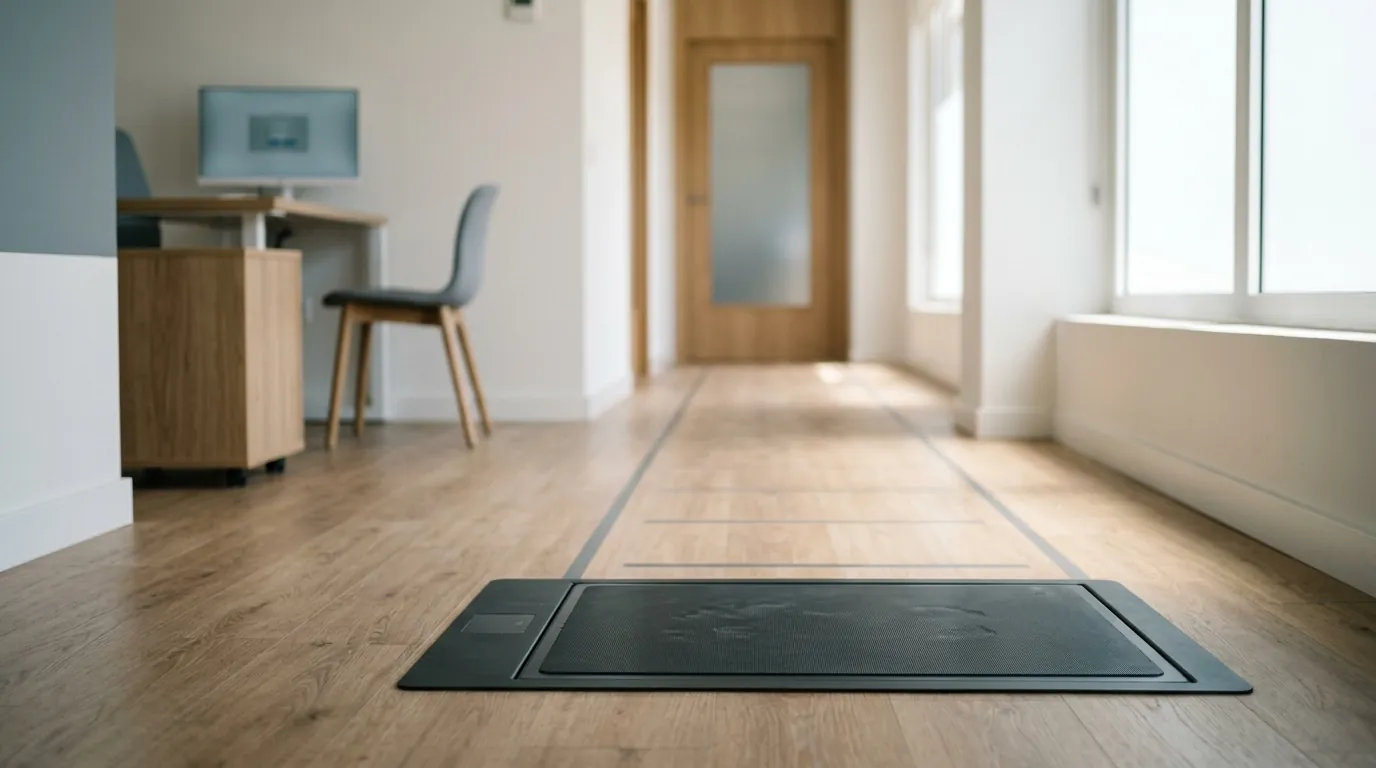
Biomechanical gait analysis: static and dynamic assessment of how you walk, to explain foot, knee, hip or back pain and prescribe insoles.
A gait analysis is a fundamental tool for evaluating the biomechanical function of the foot and lower limbs during walking. Its aim is to detect alterations in weight bearing, load distribution and movement dynamics that may be linked to pain, deformities or injuries.
The examination combines an assessment of the patient, both static and dynamic, using a pressure platform, video recording, treadmills and other complementary tests if necessary. It serves to explain persistent pain that has no apparent cause at the site where it hurts.
The information from the assessment allows for a fundamental diagnosis, the design of an individualised treatment plan and recommendations such as prescribing orthotics, footwear selection, strengthening exercises or modifications to running technique.
The study helps to prevent injuries and improve patients' quality of life.
The feet are the foundation of the musculoskeletal system: an alteration in weight bearing changes the way you walk, and the body compensates wherever it can. Many persistent knee or lower back pains start to make sense when you look at the gait.
When it makes sense to have one
- Recurrent pain in the feet, knees, hips or lower back without a clear cause.
- Plantar fasciitis, metatarsalgia or heel pain that keeps coming back.
- Repetitive sports injuries, always in the same place.
- Irregular shoe wear: a shoe worn down on one side.
- Flat or high-arched feet, bunions and other plantar arch alterations.
- Before taking up serious running or changing sports footwear.
What happens during the session
The examination consists of two parts. In the static analysis, the shape of the foot and pressure distribution while standing are studied, along with the mobility of the foot, ankle and knee joints. In the dynamic analysis, gait is recorded —and running, when the reason for consultation is sports-related— to see what happens in each phase of the stride: how the heel strikes, how the load is distributed, and how the forefoot pushes off.
With this, your footstrike pattern is explained and linked to your pain. It is not a test that yields a single number: it is an examination that provides an explanation.
What comes out of the assessment
It depends on what is found. It could be footwear recommendations, exercise and progressive loading guidelines, referral to the relevant specialist, or custom orthotics made based on your specific footstrike.
Who we coordinate with
The assessment is performed by the podiatry team, and when the issue is further up —a knee injury, lower back pain or neck pain— we work alongside orthopaedics and physiotherapy. Orthotics modify support, but muscles still need to be trained.
Book an appointment
The biomechanical assessment is carried out at centro médico Rincón de la Victoria.. Book an appointment and bring, if you can, the shoes you wear the most: how they are worn says a lot.
Frequently asked questions
What happens in a gait analysis?
We analyse how you stand and how you walk, with an examination of the foot and of the joints that depend on it —knee, hip and back— and with gait analysis. The aim is not just to see whether you roll inwards or outwards, but to explain where a pain that will not go away is coming from.
Does it always end in orthotic insoles?
No. Sometimes the solution lies in changing footwear, correcting the training load or working the muscles of the foot. Insoles are indicated when the study justifies them, and in that case they are made for your foot and your activity, not mass-produced.
Is it suitable for children and for athletes?
Yes. In growing children it makes it possible to tell what is part of normal development from what is worth treating, and in athletes it helps to understand repetitive overload injuries. In both cases it is reviewed periodically, because the foot changes.
What do they do in a gait analysis?
An examination of the foot and of the joints that depend on it, an analysis of how you stand and an analysis of your walking, with a pressure platform or video depending on the case. That links the way you walk with the pain you have come in with, and from there comes the treatment, which is not always insoles.
Which specialist corrects your gait?
The podiatrist is the one who studies your gait and prescribes and fits the insoles. When the problem stems from a joint injury or a structural abnormality, the work is coordinated with traumatology, and with physiotherapy when the muscles of the foot and hip need to be worked on.
Questions and comments
Ask the specialist who reviews this page or leave us a comment. Everything is reviewed before it is published.
To write, first confirm your email: we will send you a code.
Content reviewed by Dr María Francisca Pérez Saavedra