
Ingrown toenail
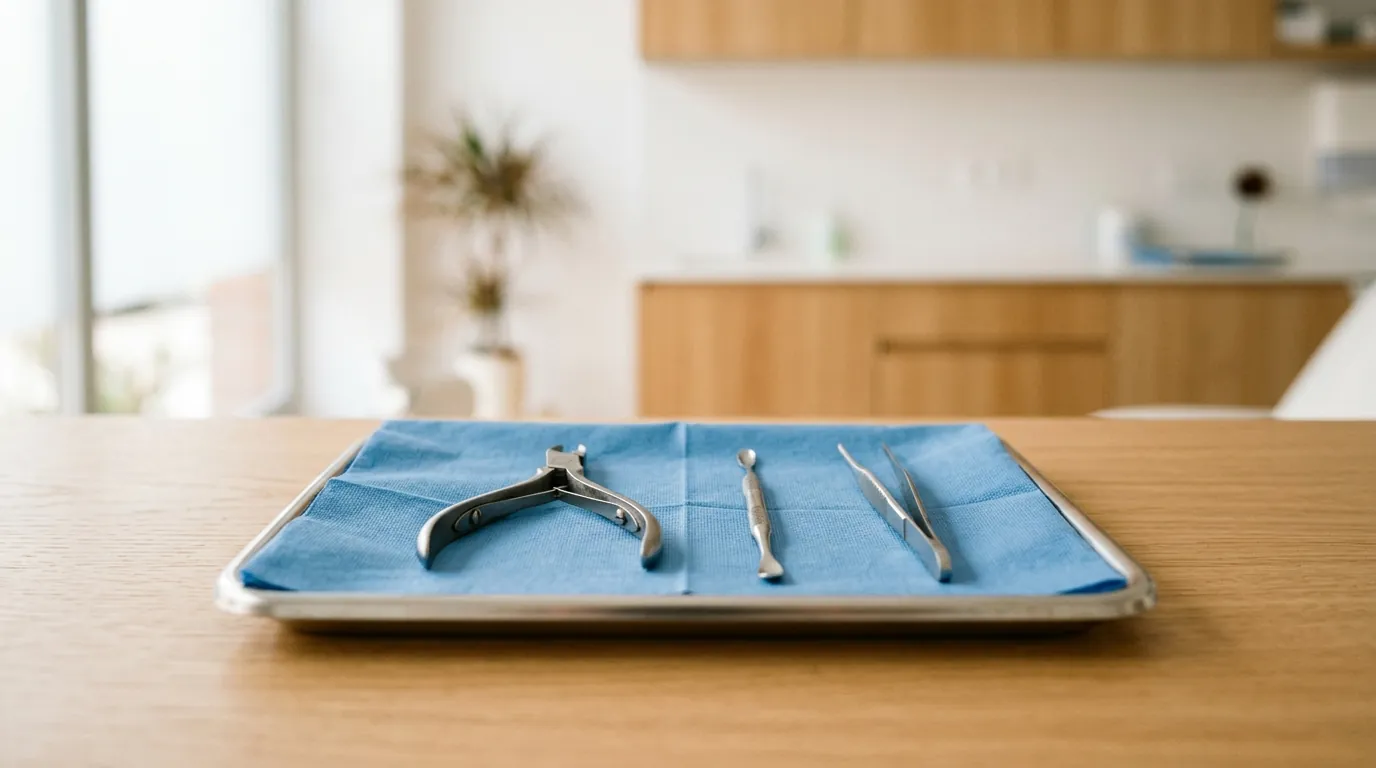
Treating ingrown toenails: from conservative treatment to surgery with matricectomy, so it doesn't dig in again.
What an ingrown toenail is
An ingrown toenail happens when the edge of the nail digs into the surrounding skin. The area becomes inflamed, hurts when it rubs against footwear and often gets infected: it turns red, weeps, and that reddish tissue that bleeds at the slightest touch appears. The most common causes are cutting the nail too short or in a curve, tight footwear, sweating, repeated trauma — running, stop-start sports — and the shape of the nail itself, which is sometimes hereditary.
When to see us
- Pain when putting weight on the toe or wearing shoes.
- Redness, swelling or pus.
- Nails that keep digging in again and again even with care.
- Always, and as soon as possible, if you have diabetes or circulation problems.
How it's treated
If the case is mild and recent, it's often enough to remove the spike digging in, treat the area and correct how you cut your nails. When it keeps happening or there's infection, the definitive treatment is nail surgery: under local anaesthetic, the section of nail digging in is removed and a matricectomy is carried out — deactivating the nail matrix on that edge — so it doesn't grow inward again. It's done at the clinic, doesn't take long, and you walk out afterwards.
After the procedure
Wound care is scheduled, usually repeated for a few days, and wide footwear and avoiding high-impact sport for a short time are recommended. The nail ends up slightly narrower on that side: that's the price of it not digging in again, and the cosmetic result is good. To prevent it in future: cut straight across without trimming the corners, footwear that doesn't squeeze, and get your foot checked if it starts bothering you again.
Frequently asked questions
Is ingrown toenail surgery permanent?
When a matricectomy is performed —the portion of the nail matrix on that edge is deactivated— the aim is for it not to grow inwards again, and in most cases it is resolved for good. The nail is left slightly narrower on that side, which is the price of it no longer digging in.
Will I be able to walk afterwards?
Yes. It is done under local anaesthetic, it does not take long and you walk out. Wide footwear is recommended and you should avoid impact sports for a few days, and you must follow the dressing instructions you are given. Any discomfort afterwards is usually controlled with simple painkillers.
How do I stop it from happening again?
By cutting the nail straight across without digging into the corners, wearing footwear that does not squeeze the toes and getting the foot checked if it becomes sore again. If you have diabetes or circulation problems, do not wait: in those cases an ingrown toenail should be assessed as soon as possible.
What happens if I don't treat an ingrown toenail?
It usually gets infected again and again: the area swells, oozes and develops that reddish tissue that bleeds when touched, and each episode leaves the edge worse. In people with diabetes or poor circulation it can progress to an ulcer, which is why in those cases you should not wait.
What home remedy works for an ingrown toenail?
Little more than washing with warm water and wearing wide shoes while you book an appointment. What does do harm is cutting the nail into a "V", packing cotton wool under pressure or piercing it: almost all recurrent ingrown toenails come from cutting them badly. The definitive solution is nail surgery with matricectomy.
Questions and comments
Ask the specialist who reviews this page or leave us a comment. Everything is reviewed before it is published.
To write, first confirm your email: we will send you a code.
Content reviewed by Dr María Francisca Pérez Saavedra