
Weight loss diet
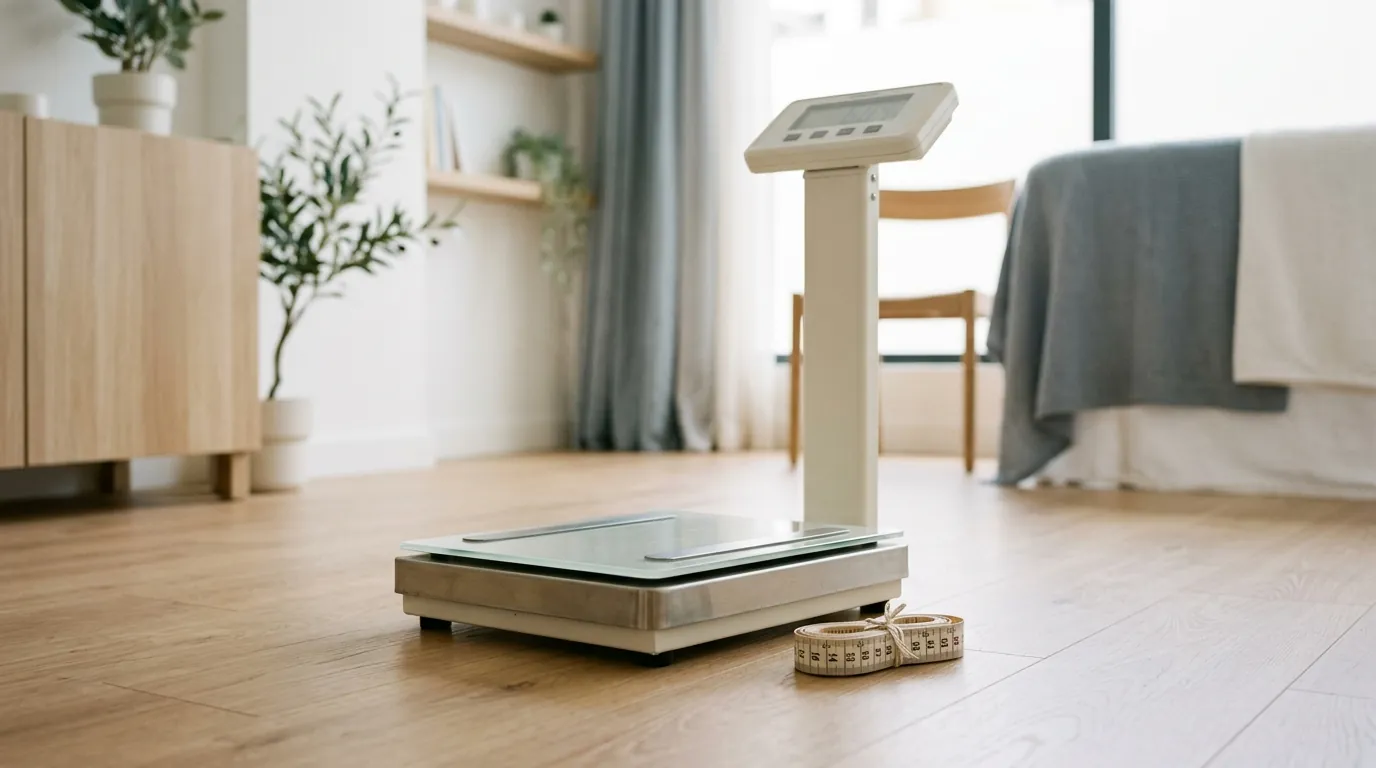
Dietary treatment of overweight and obesity: individualised plan, follow-up and habit building to lose weight and keep it off.
The problem is not losing weight
Almost any diet can achieve weight loss for a few weeks. The problem is keeping it off: most strict diets are abandoned and the weight returns, often with interest. That is why we do not start here with a list of forbidden foods, but rather by understanding how you eat, when, with whom and why.
How we work
- Initial assessment: medical and dietary history, medication, recent blood tests if you have them and a body composition study — what your weight is made up of matters far more than the number on the scales.
- Individualised plan, adapted to your schedule, your job, your budget and the foods you enjoy eating. A plan that does not fit into your life will not be followed.
- Nutritional education: reading labels, food shopping planning, managing eating out and weekends.
- Physical activity that is realistic and progressive, to preserve muscle mass while you lose weight.
- Regular reviews to adjust and sustain the change when a plateau occurs, as it always does.
When to consult us
When weight affects your health — blood pressure, blood sugar, cholesterol, sleep apnoea, joint pain —, in which case the plan is coordinated with your doctor and, if necessary, with the psychology team; when you have spent years in a cycle of losing and regaining weight, when preparing for surgery, or when you want to do things right from the start instead of trying the latest fad diet.
Honesty about pace
Sensible weight loss is measured in months, not weeks, and it is not linear. The goal is to lose fat while maintaining muscle, with follow-up blood tests where appropriate and, if there is an underlying condition — thyroid disorders, diabetes, polycystic ovary syndrome —, in coordination with the relevant medical specialist.
Frequently asked questions
How much weight can you lose in a month?
Sensible weight loss is measured in months and is not linear: there are weeks when you go down and weeks when you plateau. It matters more to lose fat while keeping muscle than to watch the scales drop quickly, because that is what holds afterwards. Fad diets get abandoned and the weight comes back.
Will a lot of foods be off limits?
The plan is adapted to your schedule, your job, your budget and what you enjoy eating, because a diet that does not fit your life will not be followed. We work on the food shop, eating out and weekends, which is where most plans fall apart.
Is exercise necessary?
It helps a great deal, above all to preserve muscle mass while you lose weight, and it is prescribed in a realistic and progressive way. It is not about signing up for a marathon: the aim is activity you can keep up once the plan is over.
Which diet is the most effective for losing weight?
The one you can keep up. Different approaches work as long as they create a calorie deficit and fit your tastes and your schedule; what doesn't work is the one you abandon in March. That is why the consultation starts with how you eat and why, not with a list of forbidden foods.
How can I lose 5 kilos in 2 weeks?
You can lose weight quickly, but much of it would be water and muscle, and the rebound is almost guaranteed. Sensible weight loss is measured in months and is not linear. If there is a specific date behind it — a medical test, surgery — a specific, supervised plan is drawn up, not a crash diet.
Questions and comments
Ask the specialist who reviews this page or leave us a comment. Everything is reviewed before it is published.
To write, first confirm your email: we will send you a code.
Content reviewed by Cristina Nieto Reina