
Getting an IUD
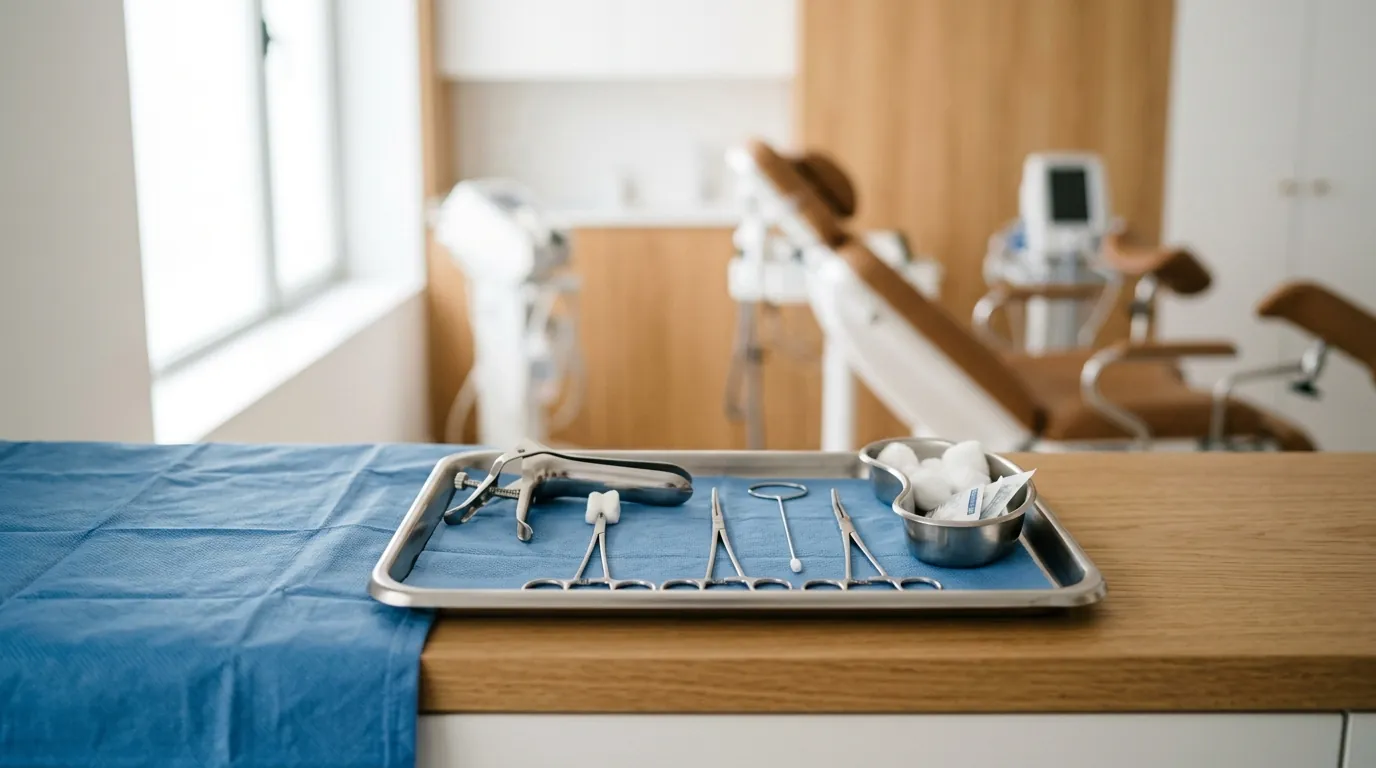
Fitting, monitoring and removing a copper or hormonal IUD: a prior ultrasound assessment, in-clinic insertion and a follow-up review.
What it is and which types there are
An IUD is a small device fitted inside the uterus that protects against pregnancy for years. There are two families:
- Copper IUD: hormone-free. Usually keeps your natural cycle and can make periods a little heavier.
- Hormonal IUD: releases a small amount of progestogen into the uterus. It tends to make periods much lighter, which is why it's also used for heavy or painful periods.
Which one suits you is decided at the appointment, based on your age, your periods, your history and what you expect from the method.
Before it's fitted
An assessment is carried out with an examination and ultrasound to check the shape and size of the uterus and rule out anything that might contraindicate it. It's also a chance to review your smear test if it's due, and to answer any questions: it's a method that lasts years, so it's worth choosing it well informed.
The fitting
It's done at the clinic and takes a few minutes. It's common to feel intense period-like pain during insertion and discomfort for the following hours; you can take painkillers beforehand. A specific point in the cycle is usually chosen. Afterwards a review in the following weeks is recommended to check by ultrasound that it's correctly positioned, and then regular check-ups.
What's normal and what isn't
Irregular bleeding in the first few months is common, especially with the hormonal type. See us without waiting if you get severe pelvic pain, fever, foul-smelling discharge, if you notice the device has shifted, or if pregnancy is suspected. Removal is also done at the clinic and is simpler than fitting.
Frequently asked questions
Does having an IUD fitted hurt?
It is common to feel intense period-type pain during insertion, which is short-lived, and discomfort in the following hours. You can take painkillers beforehand; mention it at the preliminary appointment. The fitting itself is over in a few minutes.
What is the difference between the copper IUD and the hormonal one?
The copper one contains no hormones and keeps your natural cycle, although it can make periods somewhat heavier. The hormonal one releases a small amount of progestogen into the uterus and usually makes periods much lighter, which is why it is also used for heavy or painful periods.
Does it need to be checked afterwards?
Yes. A check-up in the following weeks is recommended to confirm by ultrasound that it is correctly positioned, and periodic checks after that. Seek advice without delay if severe pelvic pain, fever, foul-smelling discharge appears or you notice that the device has moved.
Who should not use an IUD?
It is not fitted if there is pregnancy, vaginal bleeding that has not been investigated, active pelvic infection, certain malformations of the uterus or suspected gynaecological cancer. The copper one is avoided in cases of copper allergy and where periods are already very heavy. All of that is reviewed in the prior assessment with an examination and ultrasound.
What happens to your body when you have an IUD fitted?
The first few months are a period of adjustment: with the copper IUD periods can be heavier and more painful, and with the hormonal one irregular bleeding or spotting is common, which over time usually becomes much lighter or disappears. Seek advice if there is severe pain, fever or foul-smelling discharge.