
Apicectomy
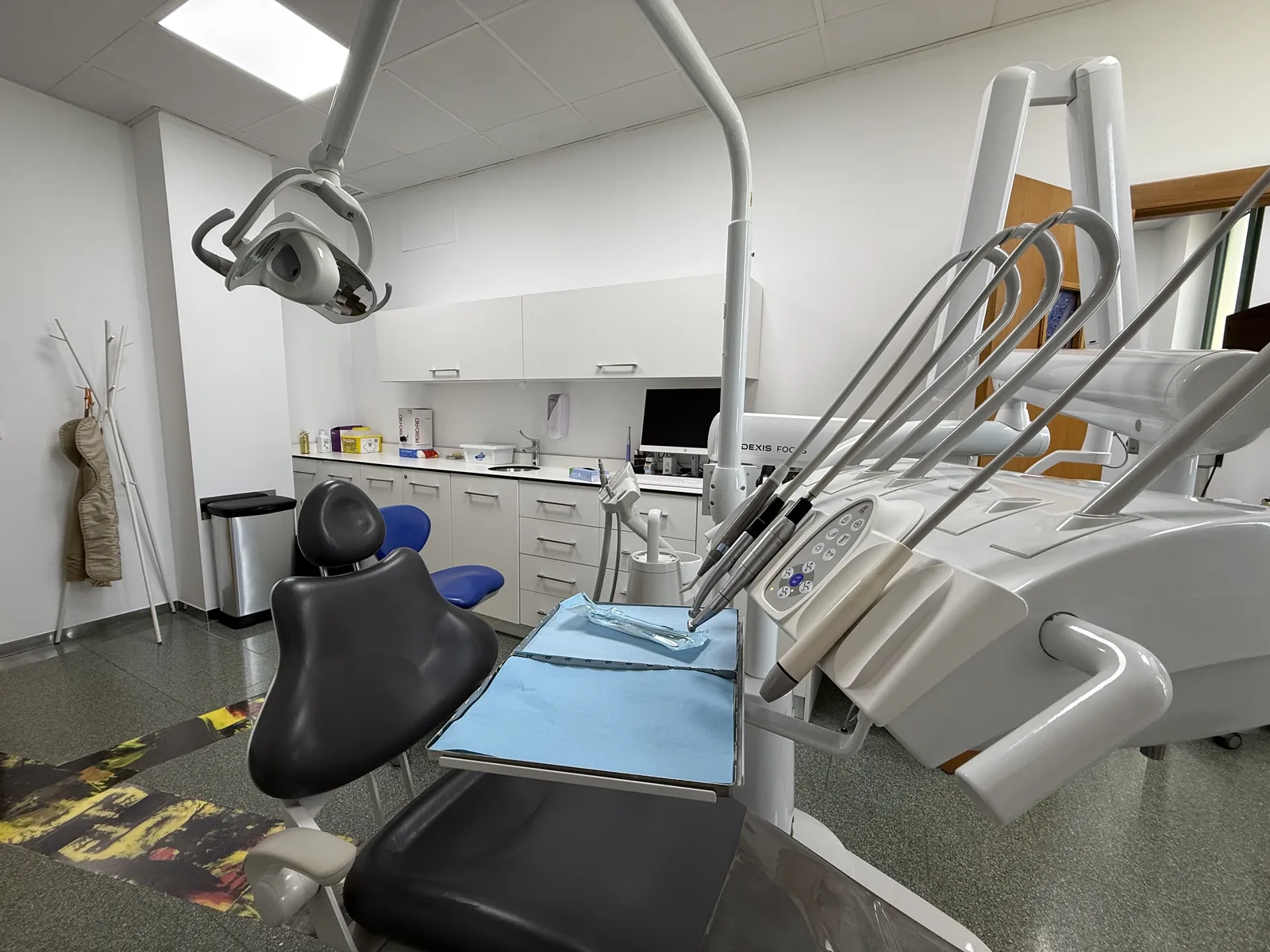
When an infection persists at the root tip after root canal treatment, an apicectomy can save the tooth. What it involves and when it is indicated.
What is an apicectomy?
An apicectomy is a minor surgical procedure carried out from outside the tooth, through the gum and bone, to remove the tip of the root (the apex) and the inflamed tissue around it, and then seal the canal at that end.
Its aim is the same as that of root canal treatment: to keep the tooth. It is used when the infection has not cleared up from the inside.
When it is indicated
- A lesion persists at the tip of the root after well-performed root canal treatment.
- It is not possible or not advisable to repeat the treatment from the inside with root canal re-treatment: for example, because the tooth has a post or a crown that would have to be destroyed to gain access.
- A sample of tissue from the area needs to be taken for analysis, or it is combined with the removal of a cyst.
The tooth must still have enough bone and gum support. If it does not, the honest thing is to consider extracting it and replacing it, for example with an implant.
How it is assessed
With an intraoral X-ray and, often, a 3D dental scan, which shows the size of the lesion and its relationship to the neighbouring roots, the nerve or the maxillary sinus.
How it is done
Under local anaesthetic. The gum is lifted, a small window is opened in the bone at the level of the root tip, a few millimetres of the apex are removed together with the inflamed tissue, and the canal is sealed with a specific material. The area is closed with stitches, which are removed after a few days.
Afterwards
There may be swelling and some bruising in the first few days. Cold compresses, a soft diet, careful cleaning of the area and the medication you are prescribed. The bone takes months to regenerate, and this is checked with follow-up X-rays.
If you think this applies to you, book an appointment and we will assess it at the clinic.