
Spark
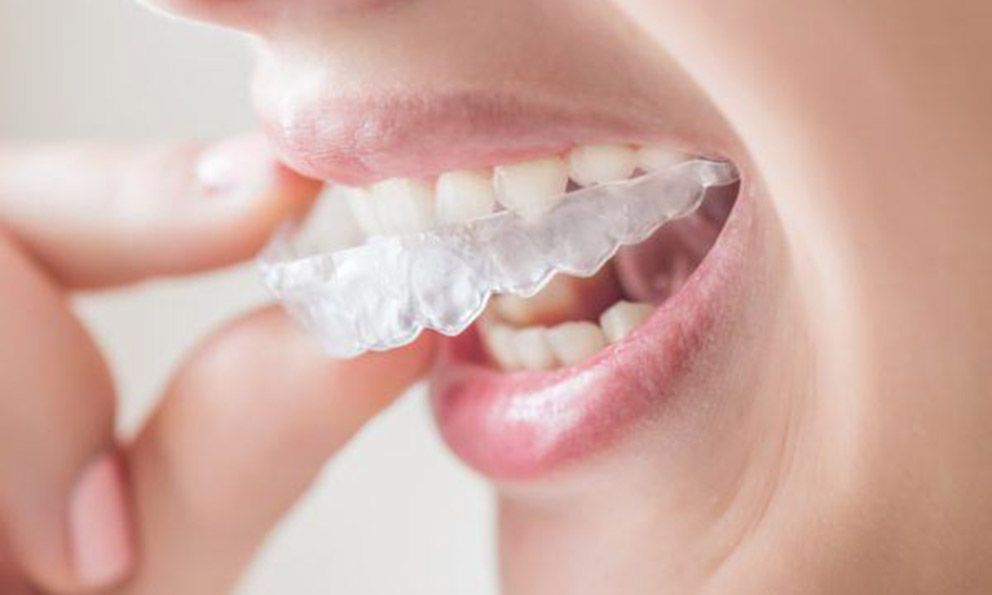
Invisible orthodontics with Spark aligners: what the treatment involves, which cases it suits and what advantages it has over braces.
At Clínicas Rincón Dental, invisible orthodontic treatments are carried out with Spark. It is the system our orthodontists work with, trained and accredited to do so.
What Spark aligners are
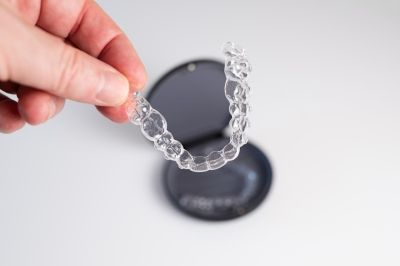
They are transparent, removable trays that take the place of brackets. They are custom-made for each mouth and changed every few weeks: each set moves the teeth a little further towards the planned position.
Spark makes its aligners with TruGEN™, a material developed specifically for aligners, and with the patented three-layer ClearQuartz™ material. Compared with conventional aligners, they are designed to fit the tooth better, be less visible and stain less with coffee or tea.
What the treatment involves
Treatment starts with a digital scan of the mouth, with no putty impressions. That model is used to plan the movement of every tooth before anything is manufactured, so the result can be seen on screen at the first appointment.
From there, the full series of aligners is made. The patient wears them between 20 and 22 hours a day, removing them only to eat, to drink anything other than water and for cleaning. Regular check-ups confirm that the teeth are moving as planned.
Once treatment is over, you need to wear retainers: that is what consolidates the result and keeps the teeth from shifting back over the years.
Which cases it suits
Aligners correct crowding, spacing and a good share of bite problems. In significant skeletal malocclusions or very complex movements, braces remain more predictable: that is assessed case by case at the first consultation, with the scan in front of us.
Advantages over braces
They are practically unnoticeable at conversational distance. Because they are removed to eat and brush, hygiene stays exactly as it was and the risk of decay and gum problems associated with braces goes down. And with no metal parts, the rubbing and mouth ulcers disappear.
In exchange, they call for consistency: the result depends on the hours they are worn.
Frequently asked questions
How long does treatment with aligners take?
The average is between 12 and 18 months, with straightforward cases resolved in less and complex ones that can reach 24. The duration depends on the movement required and, above all, on how many hours a day the aligners are worn.
Can I eat with the aligners in?
No. They are taken out to eat and to drink anything other than water, especially coffee, tea or soft drinks, which stain them. Afterwards you need to brush before putting them back in: otherwise food stays trapped against the tooth for hours.
What happens if I lose an aligner?
Let the clinic know as soon as possible. Depending on the stage of treatment, you will be told to go back to the previous one or move on to the next until it is replaced. What you should not do is go several days wearing nothing: teeth tend to drift back to their old position.
Do you have to wear retainers afterwards?
Yes, and it is non-negotiable. Once orthodontic treatment is finished, teeth tend to shift back; the retainer —fixed, removable or both— is what consolidates the result. It is the number one reason why a well-executed treatment relapses years later.
Who is not suitable for clear aligners?
Anyone who is not going to wear the aligners for the required number of hours is the first case: without consistency they do not work. On top of that, there are significant skeletal malocclusions, very complex movements or teeth with compromised periodontal support where other options are indicated. Active gum disease has to be treated before starting any orthodontic treatment.
Does invisible orthodontics change the shape of your face?
Orthodontics moves teeth and in doing so can alter lip support and the smile, particularly in cases with significant crowding or badly altered bites. It is not facial surgery: the changes are subtle and generally favourable. If the goal is a change of profile, that is assessed separately and sometimes involves orthognathic surgery.
Which is faster, aligners or braces?
There is no fixed winner: the duration is set by the movement that needs to be achieved. In mild cases aligners can be very quick; in complex cases braces usually finish sooner. What does lengthen any aligner treatment is not wearing them for the prescribed number of hours.
Related articles
Complete guide to invisible orthodontics: aesthetics and health without braces
How clear aligners work, their advantages over braces, how long treatment takes, and who they're suitable for.
Invisible orthodontics with Spark: how it works step by step
From 3D scanning to aligners: how Spark invisible orthodontic treatment works, how long it takes and what advantages it has over b…