
Dental veneers
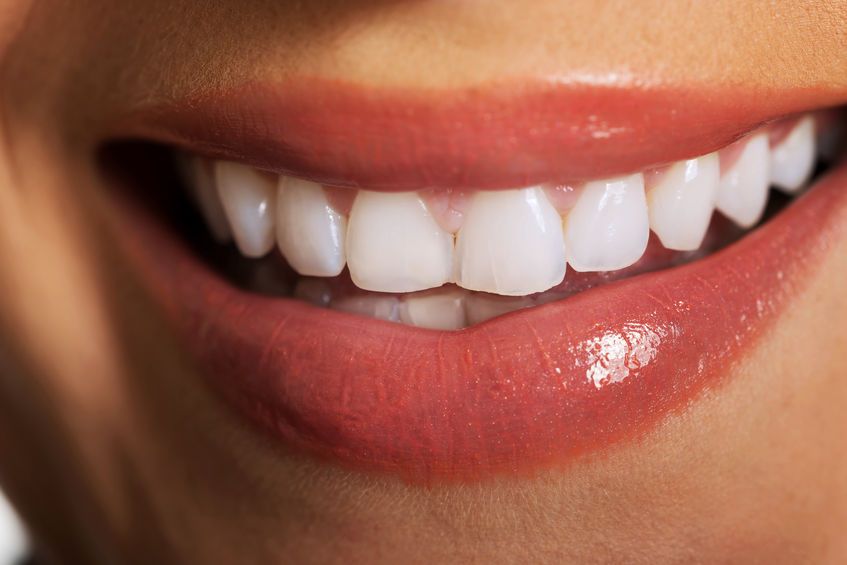
Porcelain or composite veneers to correct colour, shape or worn teeth: the differences between materials and how treatment is planned.
Dental veneers are one of the cosmetic dental treatments most requested by patients
They are a type of thin prosthesis bonded to the front surface of the teeth, giving a natural and attractive appearance
Veneers are usually chosen for cosmetic reasons, although they can serve additional purposes such as addressing stained, misaligned, chipped, worn or uneven teeth
Veneers are generally chosen for cosmetic reasons, but they can serve extra purposes such as addressing stained, misaligned, chipped, worn or uneven teeth
COMPOSITE VENEERS
Composite veneers are a highly effective treatment and sit at the forefront of cosmetic dentistry. They not only improve the look of your teeth by allowing changes in shape and colour, they are also a completely non-invasive procedure in which the composite layers are applied to the outer surface of the teeth. The result is long-lasting and very pleasing.
PORCELAIN VENEERS
Porcelain veneers, on the other hand, are placed on the outer surface of the teeth to improve their appearance, colour, shape and size.
Veneers are usually made of porcelain or resin-based materials. Porcelain has the advantage of resisting stains and looking more natural in the way it reflects light.
We recommend a cleaning plus teeth whitening as a step before treatment. Ask our specialists for information with no obligation, so you know exactly which veneer best suits your needs and can make the most of smile design.
If you want a perfect smile, ask for information and choose the type of veneer that best suits your needs
TEETH WHITENING
If you want a perfect smile, ask for information and choose the type of veneer that best suits your needs
How dental veneers are fitted
-
At the first appointment you and the dentist decide what your new smile will look like. The clinician then assesses the features of your face, lips and skin tone to see what works best. Photographs and dental impressions are then taken so your veneers can be made to measure.
-
At the second visit the new veneers are fitted in a process that takes about an hour, and the smile you have been waiting for is ready. The process is conservative, meaning it preserves the natural enamel of your teeth while achieving a perfect smile and the ideal shade for you.
Frequently asked questions
What is the difference between composite and porcelain veneers?
Composite veneers are made in the practice itself, they are cheaper and reversible, and they are easy to touch up, although they stain more over time. Porcelain veneers are made in a laboratory, hold their colour and shine better and last longer, with minimal reduction of the tooth.
Do the teeth have to be filed down?
It depends on the case and on the material. Some veneers require very fine preparation of the enamel and others are fitted with almost no reduction. What should never be done is to aggressively prepare healthy teeth to achieve a cosmetic result.
How long do veneers last?
Porcelain ones usually last more than ten years with good maintenance; composite ones, somewhat less and with periodic touch-ups. What compromises them most is bruxism: if you clench or grind, it has to be treated and a night guard worn.
When can dental veneers not be fitted?
When there are active cavities, untreated gum disease or not enough enamel to bond them to. They are also inadvisable with severe uncontrolled bruxism or a badly altered bite: in those cases the underlying problem is treated first or orthodontics is considered, because otherwise the veneers fracture.
What happens to the teeth underneath veneers?
They are still your teeth and they can develop decay if hygiene slips, especially at the gum margin. If the preparation has been minimal, the tooth is kept practically intact; with porcelain veneers that require reduction, that enamel does not grow back. That is why the indication is studied and tested beforehand with a mock-up.
Are dental veneers advisable?
They are when there is a clear reason —fractures, stains that do not whiten, worn teeth, shapes or gaps that bother you— and the mouth is healthy. They are not a first resort if the problem can be solved with whitening, orthodontics or a simple restoration: the most conservative option that achieves the result is always chosen.
Related articles
Dental veneers: what they are, types and care
Porcelain or composite, with or without tooth reduction: what dental veneers correct, how the treatment is planned, how long they …

Cosmetic dentistry: the art of designing your smile
Veneers, whitening, gingival contouring and Digital Smile Design: the treatments that allow you to design your smile before touchi…