
General dentistry: the basis of your oral health
Check-ups, fillings, extractions and cleanings at our clinics in Málaga, the Axarquía and Torremolinos.
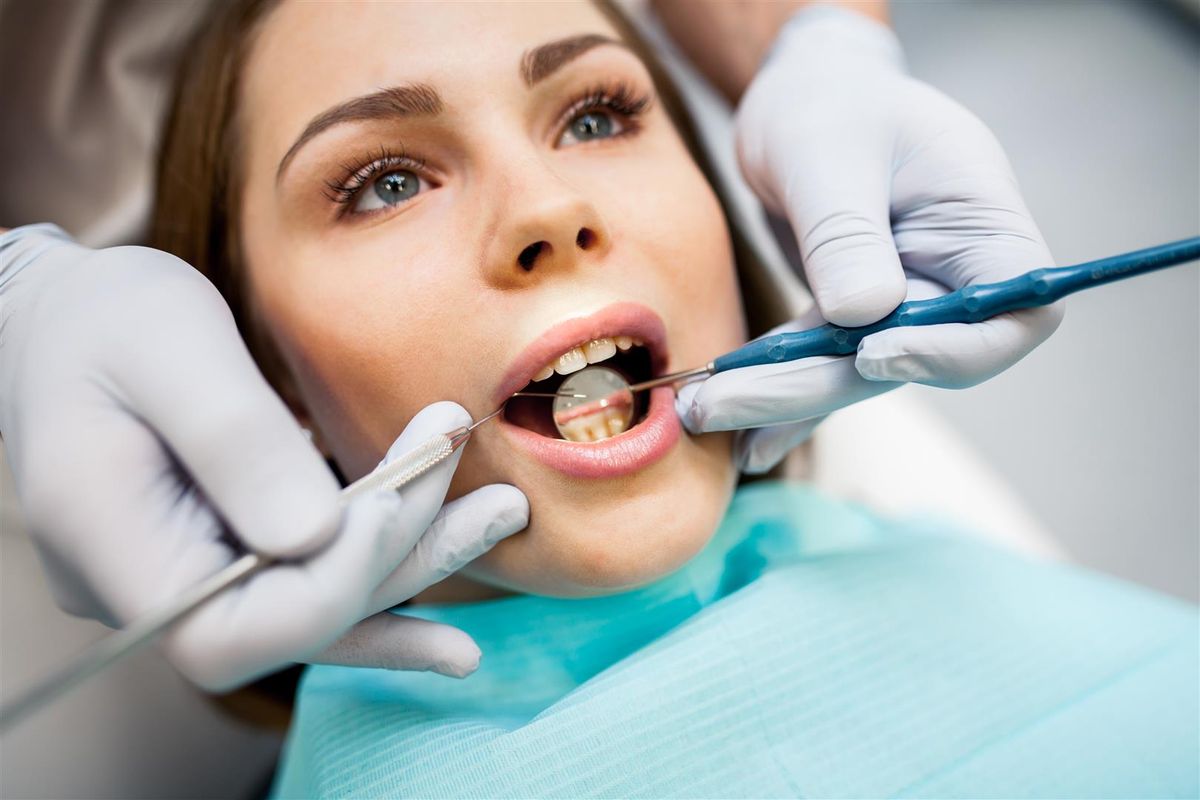
What is general dentistry?
Dentistry is the branch of healthcare responsible for the prevention, diagnosis and treatment of conditions that can arise in the mouth. It's not just about teeth — it can also involve the gums, the temporomandibular joint, the upper and lower jaw and the periodontal tissue. At its core, it's the science responsible for resolving the primary problems found in the mouth.
The general dentistry specialist is the person responsible for the first assessment of any patient visiting the clinic. This professional is qualified to properly treat a range of conditions and, if needed, can refer the patient to the right specialist.
What are the most common conditions treated in dentistry?
Tooth decay
This condition arises when tooth tissue is destroyed by acids produced by bacteria in plaque on the teeth. A detailed examination can identify the affected areas, usually matching brown stains, patches without enamel, or chalky-coloured spots. The treatments for this are root canal therapy and fillings.
Gingivitis
This condition affecting the mouth mostly causes bleeding gums as a result of ongoing inflammation. The causes vary, from poor oral hygiene to misaligned teeth.
What treatments does general dentistry cover?
- Dental cleaning — good oral hygiene doesn't just improve your smile, it's one of the best ways to prevent common mouth problems.
- Extractions — when the damage is irreversible, the remaining parts of a tooth are removed.
- General dentistry, tooth reconstruction, filling cracks, treating decay, inlays and more.
At Rincón Dental we offer the most complete range of dental treatments, always with the most modern equipment and the most qualified staff. We have two dental clinics in Málaga: at La Rosaleda and at La Farola.
Decay treatment and restorations
Extractions
Dental cleaning
Decay treatment
General dentistry is responsible for treating the primary problems in the mouth, as well as preventing tooth decay
Tooth decay is a bacterial disease that attacks and destroys tooth enamel.
If it isn't caught and treated early, decay will keep advancing and penetrating the tooth, affecting other parts and tissues.
The recommended treatments for decay are as follows:
FILLINGS
This is the process by which decay or damaged tooth tissue is removed. The tooth is then restored to its normal function and shape.
The materials used to fill the «hole» caused by decay are composite resins.
With these, we can match the same shade and colour as the tooth.
If it isn't caught and treated early, decay will keep advancing and penetrating the tooth, affecting other parts and tissues.
GO TO ROOT CANAL TREATMENT
Extractions
A minor surgical procedure in which a tooth or root remnants are removed under local anaesthetic.
The most common reasons for an extraction are decay and periodontal disease, though it can also be needed for impacted or supernumerary teeth, teeth in the wrong position, baby teeth, or teeth linked to cysts and tumours.
Tooth extraction is one of the most frequently performed surgical procedures by our professionals
Frequently asked questions
How often should you go to the dentist?
One check-up a year is the reasonable minimum in a healthy mouth, and every six months if there is a history of decay, gum disease, orthodontics or implants. Most dental problems do not hurt at the beginning: by the time they hurt, the treatment needed is already bigger.
Can a cavity be filled without it hurting?
Yes. Small cavities are sometimes treated without anaesthetic, and when it is needed, local anaesthetic makes the procedure painless. The sooner a cavity is treated, the less has to be removed and the less likely you are to end up needing root canal treatment.
What should I do if I break a tooth or a filling falls out?
Keep the fragment if you have it, avoid chewing on that side and book an appointment as soon as possible: a chipped tooth is repaired better the less time it spends exposed. If there is severe pain, swelling or bleeding that does not settle, it is seen as an emergency.
Areas within this specialty
Articles in this specialty
How often do you need a dental cleaning?
The ideal frequency for a dental cleaning is not the same for everyone: we explain which factors determine it and how often it is …
Dr Fernando Rincón Granados ·
Professional dental cleaning: what it includes and why you should get one
Ultrasound, air polishing and fluoride treatment: what a professional dental cleaning includes, how long it takes and why it is th…
Dr Fernando Rincón Granados ·

How to choose a dental clinic: the things that really matter
A stable team, diagnostic technology, transparent pricing and treatment continuity: the key points for choosing your dental clinic…

Digital dentistry: intraoral scanning, digital X-rays and 3D
Intraoral scanning instead of moulds, digital X-rays and 3D planning: what digital dentistry is and what it changes for the patien…

Tips for proper tooth brushing
Technique, timing, brush type and common mistakes: advice from our dentists so your daily brushing truly protects your teeth and g…