
Oral surgery: wisdom teeth, cysts and frenula
Complex extractions under local anaesthetic or sedation, assessed case by case with imaging.
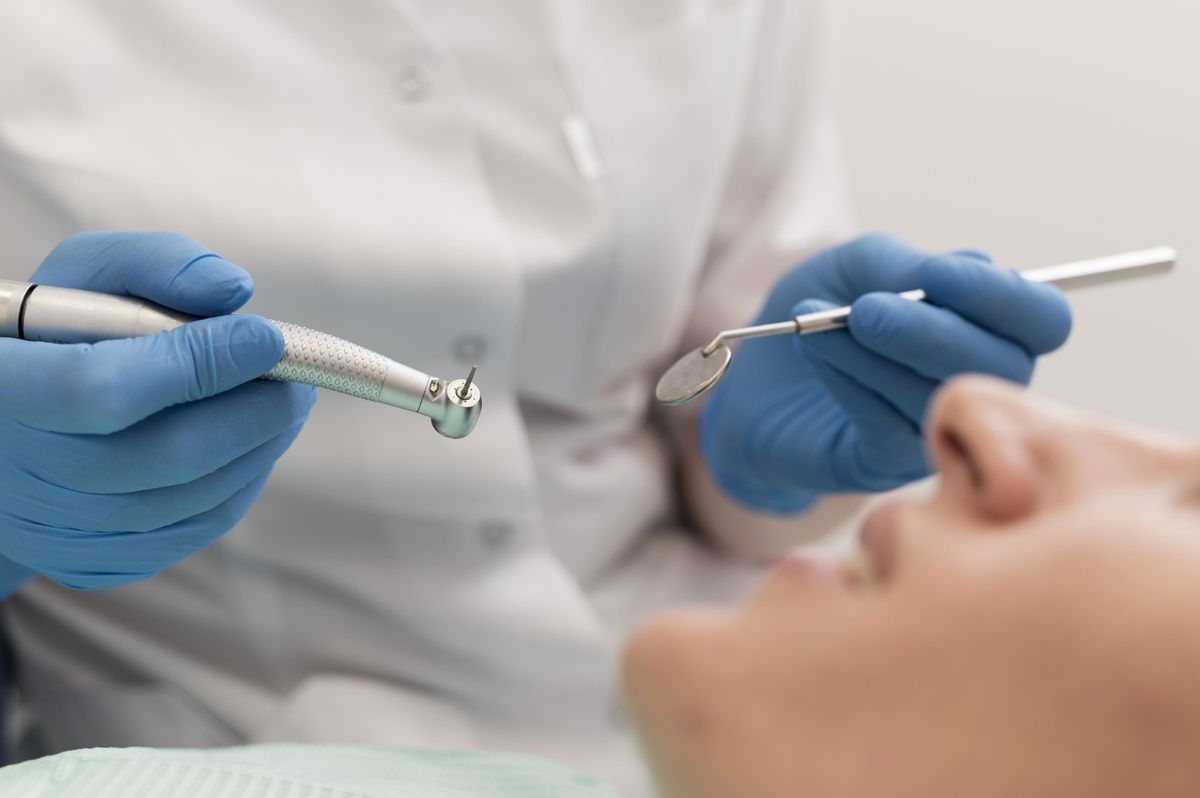
What oral and maxillofacial surgery covers
Oral and maxillofacial surgery deals with surgical procedures on the mouth and jaws that go beyond a routine dental appointment: complex extractions, cysts, bony prominences and frenula. At our dental clinics across the province of Málaga we assess each case with the necessary X-rays before scheduling any procedure.
Wisdom tooth extraction
It's the most common oral surgery procedure. Wisdom teeth are the last to erupt and, when they don't find room or come through in the wrong position, they can cause pain, repeated infections or discomfort in nearby teeth. On the wisdom tooth extraction page we explain when it's recommended and how the process works.
Tori, maxillofacial cysts and frenula
We also treat other common conditions: tori, benign bony growths on the palate or jaw that can sometimes make fitting a denture difficult; maxillofacial cysts, lesions that are best diagnosed and treated before they grow; and frenula of the lip or tongue that restrict movement, treated with a frenectomy.
Local anaesthetic and sedation
Most of these procedures are carried out in the clinic itself under local anaesthetic; if the patient prefers, or the case calls for it, other sedation or anaesthesia can be considered. It's important not to go into the procedure with an active infection: when there is one, it's treated first and surgery scheduled afterwards.
If you've been told you need an extraction or notice any of these conditions, book an appointment and we'll assess your case.
Frequently asked questions
What is done in oral surgery?
Complex extractions —wisdom teeth above all—, impacted teeth, cysts and lesions of the jaws, pre-prosthetic and implant surgery, frenula and biopsies. All under local anaesthetic and, when the case calls for it, with sedation.
Can it be done under sedation?
For long procedures or in people with a great deal of anxiety, conscious sedation is considered; it keeps you breathing on your own and leaves you relaxed and cooperative. It requires a prior assessment and for you to come accompanied.
What aftercare is needed following oral surgery?
Cold locally for the first few hours, a soft cold diet, avoiding vigorous rinsing, tobacco and exertion for a few days, and taking the medication prescribed. Swelling and slight bleeding are normal; what should be reported is pain that increases on the third or fourth day.
Areas within this specialty
Articles in this specialty
Conscious sedation at the dentist: treatment without fear
Conscious sedation lets you receive dental treatment relaxed and without anxiety. What it is, how it's applied and which patients …