
Simple tooth extraction
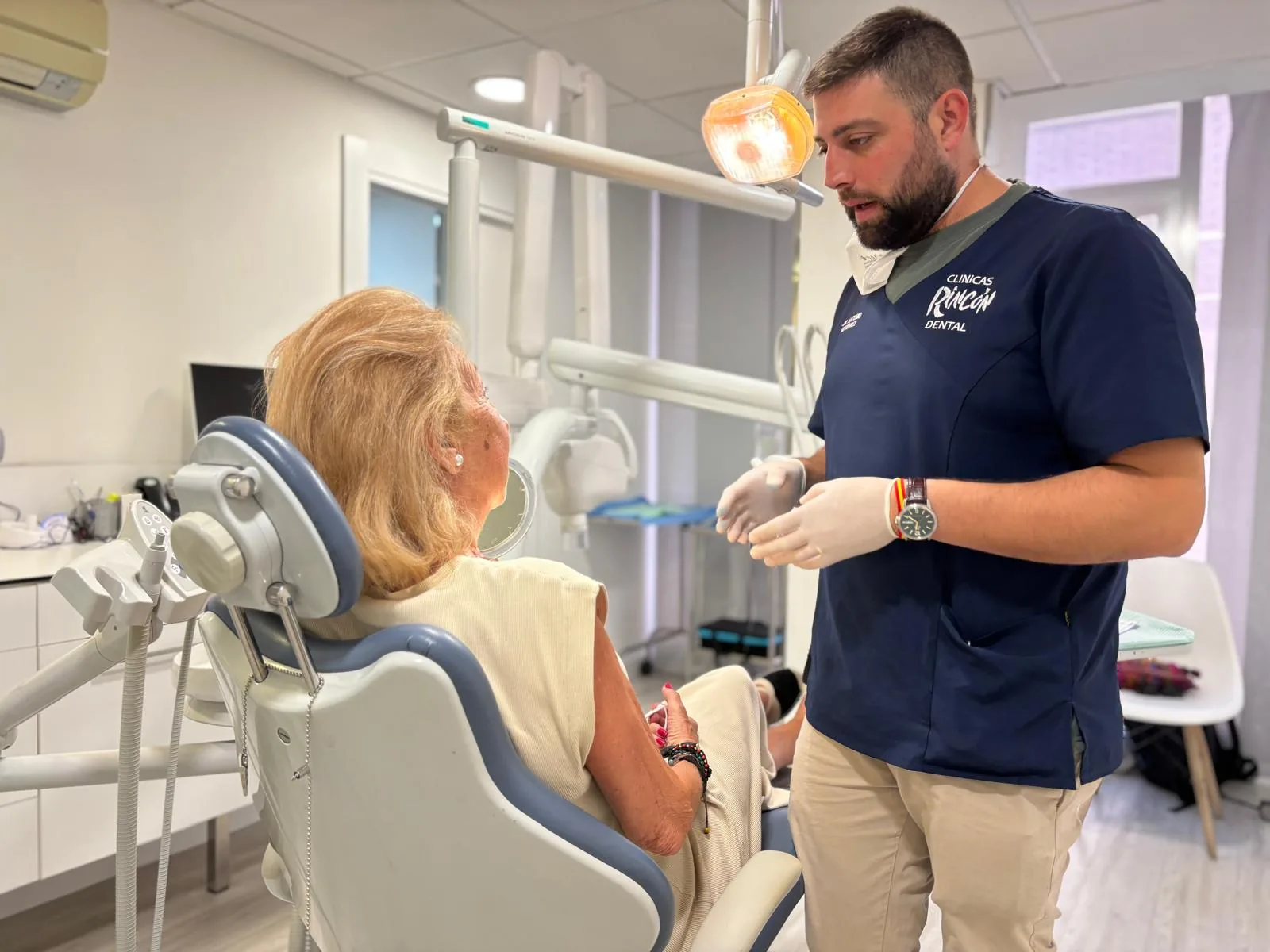
When a tooth needs to be extracted, what a simple extraction under local anaesthetic is like and what aftercare helps the wound heal well.
Before extracting, try to save the tooth
Extracting a tooth is the last resort. First, we assess whether it can be saved with a filling, root canal treatment or gum treatment. Only when that is not possible, or when keeping it would cause more problems than it solves, is extraction considered.
When a tooth is extracted
- Decay so deep that it has destroyed the tooth and it cannot be rebuilt.
- Fractures that extend into the root.
- Significant looseness due to advanced gum disease.
- On orthodontic advice, to create space.
- Baby teeth that do not fall out when they should and get in the way of the permanent tooth.
What a simple extraction involves
Aftercare
- Bite on the gauze for as long as you are told, so that a clot can form.
- On the first day, do not rinse, do not spit forcefully and do not drink through a straw.
- Avoid smoking and alcohol for the next few days.
- Eat soft, lukewarm food and chew on the other side.
- Brush the rest of your mouth as normal, and gently next to the wound.
If the bleeding does not stop or the pain gets worse instead of easing, call us as a dental emergency.
Replacing the tooth
A gap that is not filled causes the neighbouring teeth to tilt and the opposing tooth to lengthen. Depending on the case, the tooth can be replaced with an implant, a fixed prosthesis or a removable denture.
If you think this applies to you, book an appointment and we will assess it at the clinic.