
Dental cleaning or "scaling"
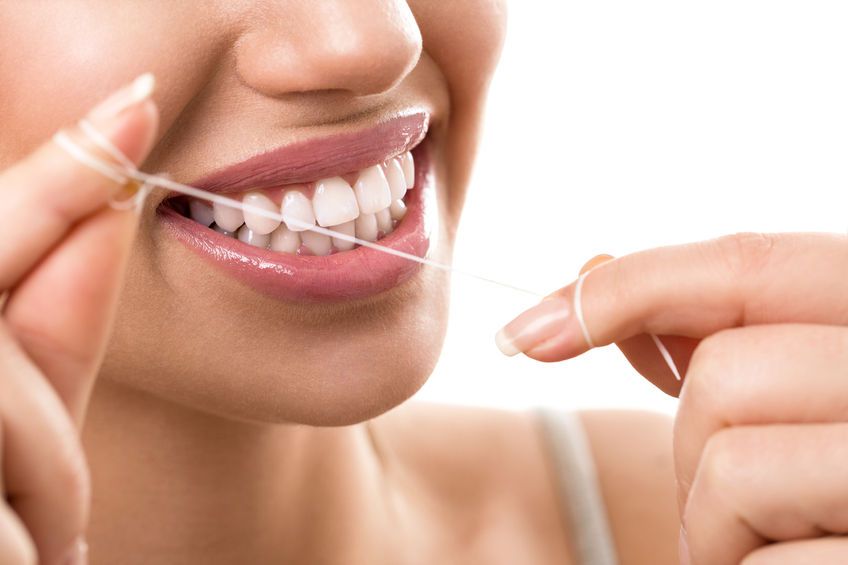
Removal of tartar, plaque and stains with ultrasound and polishing. The difference between supragingival scaling and root planing, and how often it is advisable.
It involves removing tartar, plaque and stains using ultrasound systems and techniques, prophylaxis brushes and bicarbonate air polishers.
It is a procedure that helps prevent certain dental diseases.
SUPRAGINGIVAL SCALING
Supragingival scaling is a type of deep dental cleaning carried out when the tartar or calculus sits above the gum line. In this case, the scaling or dental cleaning consists of supragingival scaling. This is a routine oral cleaning that should be done at least once a year, although more than one is recommended.
ROOT PLANING
This is done when calculus forms below the gum line.
In this case, another treatment is needed, called scaling and root planing, also known as “curettage”. It is usually carried out by a periodontist, as specific instruments are required.
A professional oral cleaning is recommended at least once a year, although some patients may need more than one dental cleaning
What are the benefits of dental cleaning?
IMPROVES YOUR SMILE
Certain habits, such as smoking or drinking coffee, tea and other beverages, can stain your teeth. A professional oral cleaning helps you keep your teeth cleaner and whiter. If you need a deep dental cleaning, we are your best option in Málaga.
Most foods in our diet tend to stain our teeth to a greater or lesser extent. The main cause is the pigmentation of certain foods and drinks such as coffee, red wine or white wine. In these cases, plaque acts like a kind of glue, and the acids and other components of wine wear down tooth enamel, encouraging stains to build up.
Before turning to a dental cleaning, it is worth knowing a few tips that can help avoid stains on your smile. First, we recommend removing the plaque that helps certain pigments and acids stick to your teeth. To do this, you can brush your teeth 30 minutes before drinking. However, not everyone has the same teeth and the enamel of each set of teeth is different. That is precisely why we recommend a personalised assessment to diagnose the condition of your teeth and, if appropriate, go ahead with a dental cleaning.
Attending annual check-ups with your dentist, along with good dental hygiene, are decisive factors in ensuring the success of any of our treatments
PREVENTS GUM DISEASE
Our mouth, like most of the inside of the body, is full of bacteria. Some are good and help us day to day, while others can cause serious disease. If you don't clean your teeth regularly, plaque builds up and your gums become red, inflamed and may even bleed. You have no more excuses, because for less than you think you can sort out your problems with a deep dental cleaning at our clinic in Málaga.
Periodontal diseases are known as the ‘silent diseases’, as they often go unnoticed by the patient; however, if they are not detected early they can lead to tooth loss. A cleaning every 6 months can help you prevent them.
BOOSTS YOUR GENERAL HEALTH
Attending annual check-ups with your dentist, along with good dental hygiene, are decisive factors in ensuring the success of any of our treatments
HELPS FIGHT BAD BREATH
Halitosis, commonly known as ‘bad breath’, is a very common problem, affecting almost half the population. It results from a combination of many factors; however, it is relatively easy to treat with a dental cleaning and by looking after your teeth in the way we have always been taught: brushing after every meal, using an alcohol-free mouthwash (optional) and checking between the teeth with dental floss so that no food is left behind.
All of this can be rounded off with an annual visit to the dentist, who can keep us informed about what they can see and we cannot.
Frequently asked questions
How often should you have a dental cleaning?
Once a year in a healthy mouth, and every three to six months if you have had gum disease, wear implants or braces, smoke or build up tartar easily. The interval is set by your mouth, not by the calendar.
Does a cleaning damage the enamel or separate the teeth?
No. Ultrasound removes tartar, not enamel. The feeling that the teeth are further apart appears when there was a lot of tartar occupying the space between them: what you see afterwards is the real gum, which was inflamed and hidden.
Does a dental cleaning hurt?
It is generally uncomfortable rather than painful, especially if there is inflammation or sensitivity. If cleaning below the gum is needed (curettage), it is done under anaesthetic. Afterwards there may be sensitivity to cold for a few days.
What does a dental cleaning include?
A check of the mouth, removal of tartar and plaque with ultrasound above the gum line, polishing of the surfaces and, where appropriate, fluoride application, plus personalised hygiene instructions. If there is tartar below the gum line, that is already periodontal scaling: it is done under anaesthetic and usually needs several sessions.
What should you avoid after a dental cleaning?
For the first few hours avoid staining foods and drinks —coffee, tea, red wine, beetroot— and tobacco, because the tooth is more receptive to pigment. If fluoride has been applied, wait for the time you are told before eating. If any sensitivity remains, use a desensitising toothpaste for a few days and lukewarm water.
What are 5 signs that you need a dental cleaning?
Gums that bleed when you brush, persistent bad breath, visible tartar as a yellowish band along the gum line, a rough feeling on the teeth or stains that brushing does not remove, and red or swollen gums. With any of these it is worth booking a check-up: the cleaning is the treatment, but first we need to see what lies underneath.
Related articles
How often do you need a dental cleaning?
The ideal frequency for a dental cleaning is not the same for everyone: we explain which factors determine it and how often it is …
Dr Fernando Rincón Granados ·
Professional dental cleaning: what it includes and why you should get one
Ultrasound, air polishing and fluoride treatment: what a professional dental cleaning includes, how long it takes and why it is th…
Dr Fernando Rincón Granados ·

Tips for proper tooth brushing
Technique, timing, brush type and common mistakes: advice from our dentists so your daily brushing truly protects your teeth and g…
Questions and comments
Ask the specialist who reviews this page or leave us a comment. Everything is reviewed before it is published.
To write, first confirm your email: we will send you a code.
Content reviewed by Dr Manuel Díaz Cano