
Psychotechnical test
Psychotechnical tests for private security, machinery, potentially dangerous animals and other permits requiring a fitness certificate.
What a psychotechnical test is
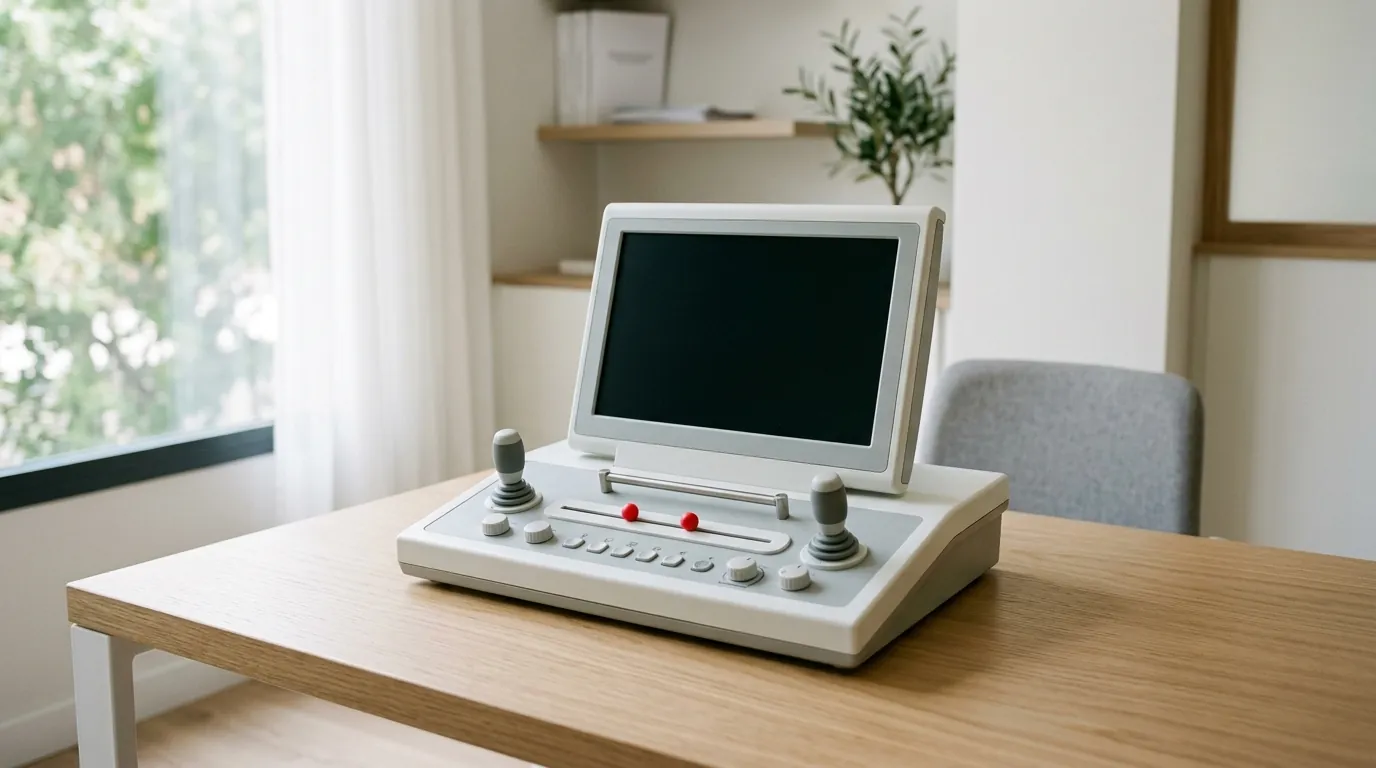
This is the part of the check-up that assesses perceptual and reaction abilities: attention, two-handed coordination, anticipation and response time. It's carried out using specific equipment and is always combined with a medical examination and a psychological assessment, because the certificate issued confirms overall fitness, not just a machine's result.
What paperwork it's needed for
- Private security: security guards, bodyguards and authorised staff.
- Operating machinery and special vehicles: cranes, forklifts, platforms.
- Keeping potentially dangerous animals.
- Administrative permits and certain job requirements.
- As part of the check-up for driving and for a firearms licence.
How to prepare
- Get a good night's sleep beforehand: lack of sleep shows up in reaction tests.
- Bring glasses or contact lenses if you use them, and a hearing aid if you wear one.
- Bring reports for any condition or treatment that might be relevant.
- Avoid alcohol and go easy on caffeine that day.
The certificate
If the result is a pass, the certificate is issued on the spot with the official format for that purpose. Each type has its own validity, so it's best done close to when you'll submit the paperwork. There's no need to be nervous about the equipment: it's explained beforehand, a practice run is allowed, and it isn't looking for racing-driver performance, just ruling out significant limitations.
Frequently asked questions
Can you fail a psychometric assessment?
It is not about performing like a racing driver, but about ruling out relevant limitations. The tests are explained beforehand and you are allowed a practice run first. What does make a difference is arriving well rested: lack of sleep shows in your reaction times.
Which procedures is it required for?
Private security —security guards, close protection officers and licensed personnel—, operating machinery and special vehicles such as cranes or forklifts, keeping potentially dangerous animals, and as part of the examination for driving licences or firearms licences.
What is the psychometric driving test like?
It consists of a medical examination — vision, hearing, general condition —, a brief psychological assessment and some tests with equipment that measure bimanual coordination, anticipation and reaction time. They are explained beforehand and a practice run is allowed: there is nothing to study.
What do they ask you in a psychometric assessment?
Questions about your medical history: illnesses, current treatments, any history of dizziness or loss of consciousness, sleep and alcohol or substance use. Answering frankly works in your favour: most conditions are compatible, with an adjustment to how long the licence is valid for.