
Frenectomy
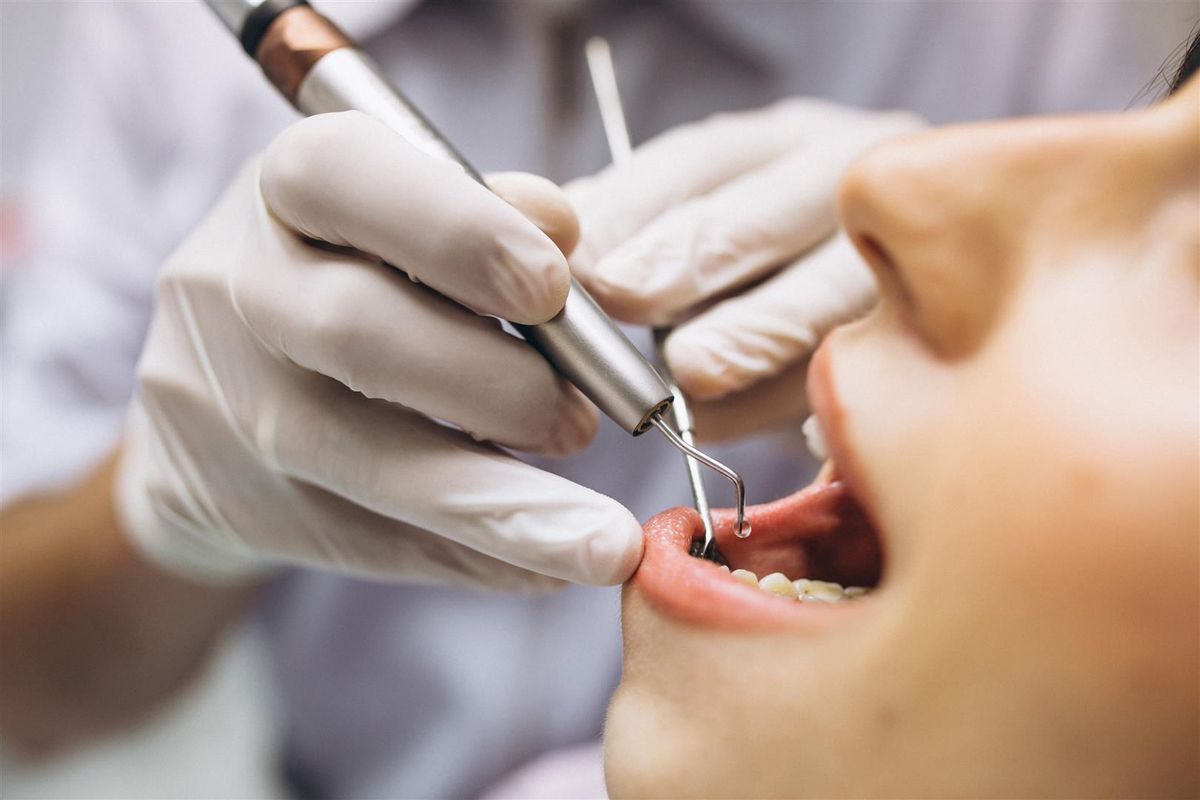
A frenectomy removes the labial or lingual frenum when it restricts the tongue or separates the incisors. A short procedure with a straightforward recovery.
What a frenectomy is
A frenectomy is the complete removal of the labial or lingual frenum, upper or lower, when its size or its attachment causes problems. It is a minor surgical procedure and forms part of our treatments in periodontics and periodontal surgery.
Labial frenum and lingual frenum
Frena are small folds of tissue that join the lips to the gum and the tongue to the floor of the mouth. In most people they cause no trouble at all, but sometimes their shape or position interferes with function:
- A lingual frenum that is too short can cause ankyloglossia, that is, restricted tongue movement, which makes swallowing harder and encourages speech problems.
- A labial frenum, when it is thick or attaches very close to the gum margin, can keep a gap open between the upper central incisors or make cleaning that area difficult.
When it is indicated
What the procedure and recovery are like
It is a short, outpatient procedure: the frenum is removed and the area is checked over the following days. Recovery is usually straightforward, with mild discomfort in the first few days that is managed by following the instructions we give at the clinic, careful cleaning of the area and a check-up to confirm that healing is progressing well.
If you think your frenum — or your child's — is causing any of these problems, book an appointment and we will assess it.
Frequently asked questions
When does the frenulum need surgery?
When it limits the movement of the tongue or the lip and that has consequences: difficulty breastfeeding in a baby, pronunciation problems, a gap between the upper front teeth or gum recession caused by the pull of the lip frenulum.
What is the procedure like?
It is a short operation under local anaesthetic, with a scalpel or laser depending on the case, and often with dissolvable stitches. In small children the appropriate technique and timing are assessed. Recovery is usually quick, with a soft diet for a few days.
Are exercises needed afterwards?
For tongue-ties, speech therapy work or prescribed exercises are usually recommended so that the tongue learns to move within its new range and to prevent the scar from becoming restrictive again. Without that part, the functional result may fall short.
What is the difference between a frenotomy and a frenectomy?
A frenotomy is a simple cut of the frenulum, quick and routine in newborns who have trouble breastfeeding. A frenectomy removes the whole frenulum and usually requires stitches; it is indicated when the attachment is thick or when a simple cut would not solve the problem. The choice depends on the anatomy and on the age.
At what age is it advisable to operate on a tongue-tie?
If it interferes with breastfeeding, as soon as possible, within the first few weeks. If the problem appears later — pronunciation, tongue mobility, gum recession — it is assessed together with speech therapy and dentistry and the timing is decided then; there is no single right age. What makes no sense is operating on a tongue-tie that is not causing any problem.
How long does a frenectomy take to heal?
The area closes within one or two weeks, with discomfort for the first few days and a soft diet. With lingual frenula it is important to do the prescribed exercises during that period: if the tongue does not move through its new range, the scar can end up restricting it again.
Related articles

Periodontal disease: symptoms and gum treatment
Bleeding or receding gums and bad breath: how periodontal disease progresses, how it is diagnosed and which treatments stop it in …
Dr Manuel Díaz Cano ·