
Zygomatic implants
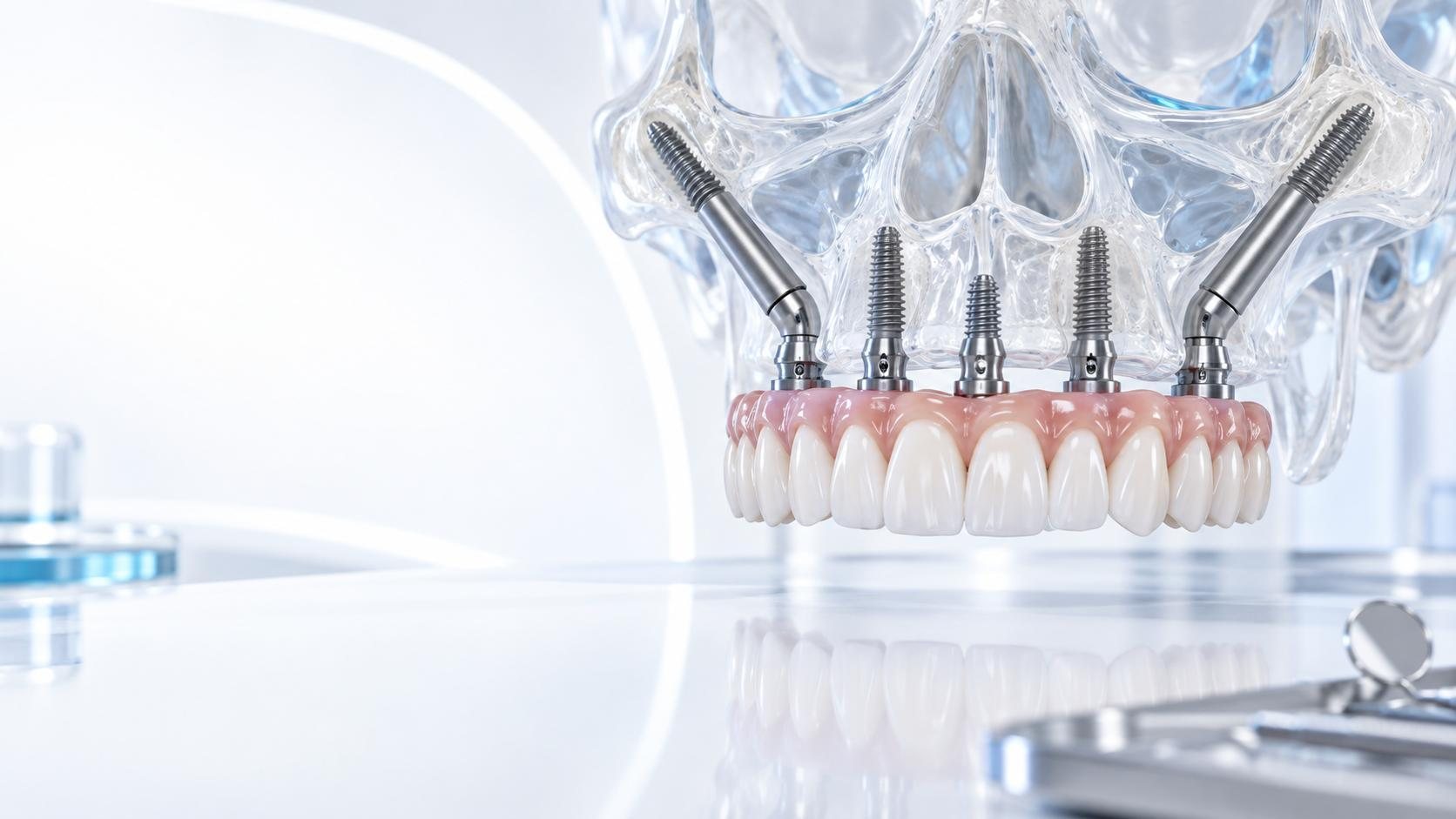
Zygomatic implants when the upper jaw lacks bone: 3D CT study at the first visit, our own operating theatres and fixed teeth.
When the upper jaw has lost bone
When the upper jaw has lost a lot of bone —because of advanced gum disease, years without teeth or previous implants or grafts that did not work— conventional implants have nothing to hold on to. Zygomatic implants are anchored in the cheekbone (the zygoma) and make a fixed restoration possible without bone grafts first.
It is not a treatment for everyone: it is an advanced technique reserved for cases where conventional options are not viable. That is why everything starts with a full assessment.
The first visit: tests and assessment on the same day
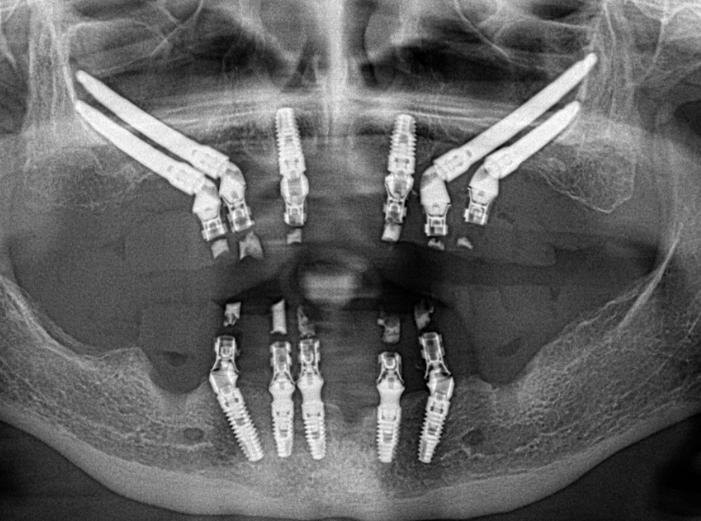
- Orthopantomogram: the panoramic X-ray of the whole mouth.
- Dual zygomatic-specific CT scan (TAC doble): a 3D scan that shows the upper jaw and cheekbone in the detail needed to plan the surgery.
- Assessment by the medical and surgical team: they review the tests during the same visit and tell you whether you are a candidate and why.
The decision to use zygomatic implants always rests with the clinical team, after studying your individual case.
What we explain before you decide
If the treatment is indicated, we explain it calmly and with realistic expectations:
Diagnosis and alternatives
What is happening in your upper jaw and which options exist in your case.
What the surgery involves
How it is done, how many implants you need and what kind of prosthesis you will have.
Timings and risks
How long each part of the process takes, what the risks are and what result you can expect.
Quote and financing
An overall plan, with the payment options available. No rush: if you need time to think, we answer your questions whenever you need.
Surgery in our own operating theatres
The procedure is carried out in one of our two operating theatres in Rincón de la Victoria, under sedation or general anaesthesia depending on the case. Our own department handles the pre-operative tests and schedules the date with you.
We have our own dental laboratory. Where possible, a fixed temporary prosthesis is fitted within an estimated 24 to 48 hours after surgery; the team will confirm at the assessment whether this applies to you.
If your dentist has referred you
Many patients come to us referred by their dentist. In that case we carry out the same assessment, with the same care, and work in coordination with them: your dentist remains your dentist.
An experienced team
Clínicas Rincón Dental has been dedicated to dentistry for more than 50 years. Our medical and surgical team studies each case individually and supports you from the first visit to the end of treatment.
Frequently asked questions
What are zygomatic implants?
They are longer implants anchored in the cheekbone (zygoma) instead of the upper jaw. They are used when the upper jaw has lost so much bone that it cannot take conventional implants, and they make it possible to avoid extensive grafts and to shorten timescales.
Is it a more complicated surgery?
It is an advanced technique that requires planning with a 3D scan and surgical experience, and it is usually performed under sedation. In return, it solves cases that were previously considered unfeasible or that required grafts with months of waiting.
Who is a candidate?
People with significant atrophy of the upper jaw, with previous implant failures or with grafts that have not worked. The only way to know is through the study: examination, scan and assessment of the complete case.
What are the drawbacks of zygomatic implants?
It is a more complex surgery than a conventional implant: it requires planning with a scan, surgical experience and often sedation, and the recovery is somewhat more uncomfortable. In exchange it avoids extensive bone grafts and months of waiting. It is not a first-choice technique: it is reserved for jaws without enough bone.
How long do zygomatic implants last?
With correct integration and good maintenance, their long-term survival is comparable to that of conventional implants. What makes the difference is follow-up: regular check-ups, specific hygiene around the prosthesis and monitoring of the gum, which is where almost all late problems begin.
Related articles
Dental implants: process, benefits and care
How long a dental implant lasts, what care extends its lifespan, and which signs of infection or peri-implantitis should be checke…
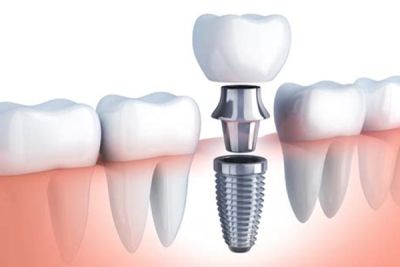
Dental implants
Implantology with guided surgery and 3D diagnostics: what the dental implant process looks like and what to expect from treatment.

What is a dental implant and when is it fitted?
A dental implant replaces the root of a missing tooth. What exactly it is, when it's indicated, and what role the crown and the bo…
Questions and comments
Ask the specialist who reviews this page or leave us a comment. Everything is reviewed before it is published.
To write, first confirm your email: we will send you a code.
Content reviewed by Dr Sara Machín Cavalle