
Allergy vaccine
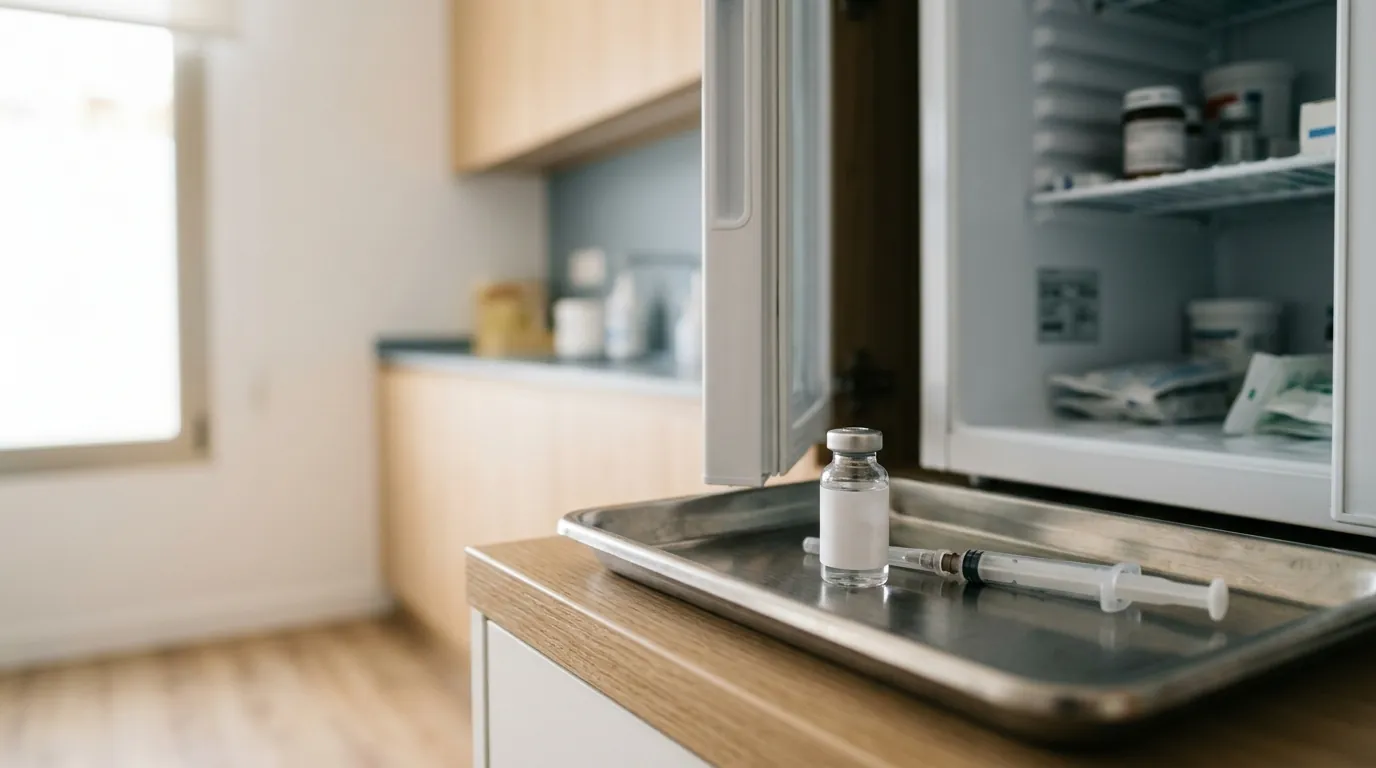
Allergen immunotherapy, subcutaneous or sublingual: the only treatment that acts on the cause of an allergy and not just its symptoms.
What the allergy vaccine is
Allergen immunotherapy — the «vaccine» — is the only treatment that acts on the cause. It involves giving controlled doses of whatever you're allergic to over time, so your immune system stops overreacting. Antihistamines and inhalers bring relief; the vaccine changes the response.
There are two ways to take it, and both are equally serious:
- Subcutaneous: a regular injection given at the clinic, with a short wait afterwards.
- Sublingual: drops or tablets taken at home every day, under the tongue.
Who it makes sense for
- Allergic rhinitis or asthma that isn't well controlled with medication alone.
- A proven allergy to a specific allergen — dust mites, pollen, animal dander, mould — that also matches your symptoms.
- Bee or wasp venom allergy with a previous severe reaction.
- Anyone who'd rather not depend on symptom-relief treatment every year.
It isn't given «just in case»: first you need a clear diagnosis with allergy testing, and then an assessment of whether your case is a candidate.
How long it takes and what to expect
Safety
The schedule is tailored to each person and the first doses are monitored. That's why the subcutaneous route is always given at a healthcare centre with an observation period afterwards, and why it's worth mentioning if, on the day of your dose, you have a fever, uncontrolled asthma or have started a new medication.
Frequently asked questions
How long does treatment with allergy immunotherapy last?
Between three and five years. It is not a quick treatment: improvement usually begins to be noticed over the course of the first season and the benefit is maintained after it ends. Giving it up after six months achieves nothing, so it is best to start knowing the commitment it requires.
Is the vaccine given at home or at the clinic?
It depends on the route. The subcutaneous one is always administered at a healthcare centre, with a period of observation afterwards for safety. The sublingual one —drops or tablets— is taken at home every day, after the first dose has been given under supervision.
Does it work for any allergy?
No. It is indicated when there is a specific, clearly identified allergen —dust mites, pollens, animal dander, moulds or bee and wasp venom— that also fits your symptoms. That is why the study with allergy tests is done first and then it is assessed whether your case is a candidate.
What side effects does the allergy vaccine have?
The most usual is a local reaction at the injection site —redness, itching, a lump that settles within hours— or, with the sublingual form, an itchy mouth during the first few days. General reactions are uncommon, and that is why the subcutaneous dose is given in a healthcare centre with a period of observation afterwards.
When is the allergy vaccine given?
When there is a clearly identified allergen that matches your symptoms and these are not controlled with medication alone, or you do not want to depend on it. The schedule starts with increasing doses and continues with maintenance doses for three to five years; with some seasonal allergens it is adjusted to the pollination calendar.