
Child psychologist
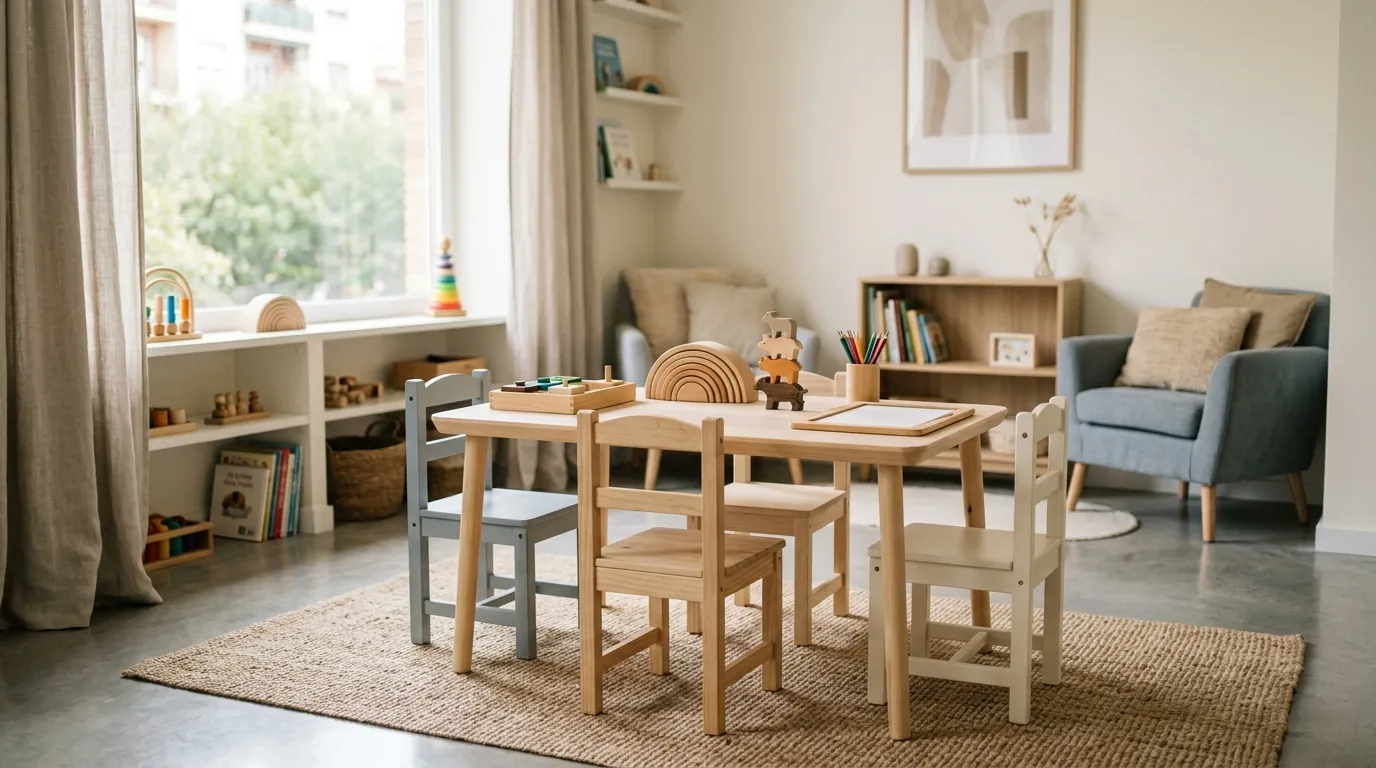
Child and adolescent psychology: assessing and treating fears, behaviour, anxiety, sleep and school difficulties, with guidance for families.
How distress shows up in childhood
A child rarely asks for help in words. They express it through their body and behaviour: stomach aches before school, slipping back on things they'd already mastered, tantrums that seem out of proportion for their age, fear of sleeping alone, withdrawal or irritability in teenagers.
Common reasons for a consultation
- Fears, anxiety, separation anxiety.
- Behaviour and boundary problems at home.
- School difficulties, lack of motivation or refusing to go to school.
- Suspected ADHD or learning difficulties.
- Sleep, picky eating, toilet training.
- Bullying, grief, parental separation, illness in the family.
- Teenagers: low mood, social media, self-esteem, self-harm.
How we work
It starts with an interview with the parents and an assessment of the child suited to their age — through play for younger children, with specific tests when the case calls for it. This produces clear guidance: what's going on, what's expected for their age and what isn't, and what plan is proposed. The intervention combines working with the child and guidance for the family, because in childhood change happens mostly through the environment.
School and coordination
When needed, and always with your consent, we coordinate with the school and with paediatrics, and issue whatever reports the school or authorities need. Booking early isn't overreacting: in childhood, early intervention is short and highly effective.
Frequently asked questions
How do I know if my child needs to see a psychologist?
Children rarely ask for it in words: they show it with tummy aches before school, tantrums out of proportion for their age, fear of sleeping alone, going backwards on things they had already mastered or, in teenagers, withdrawal and irritability. Seeking help early usually makes the process much shorter.
Do the parents come into the session?
The first interview is with the parents, and from there the work combines sessions with the child and guidelines for the family, because in childhood change happens above all in the environment. You are always given a clear explanation of what is going on.
Do you liaise with the school?
Yes, when it is needed and always with your authorisation. We also issue any reports the school or the authorities may require, and we coordinate with paediatrics if the case calls for it.
When does a child need to see a psychologist?
When something interferes with their daily life: tummy aches before school, tantrums out of proportion for their age, fears that hold them back, going backwards on things they had already mastered, sleep or eating problems, or changes in behaviour after a separation, a bereavement or bullying.
What does a child psychologist do?
They assess using age-appropriate tools —play with younger children, specific tests where needed—, give the family a clear explanation of what is going on and work with the child and with guidance for home, liaising with the school and with paediatrics where appropriate.
Questions and comments
Ask the specialist who reviews this page or leave us a comment. Everything is reviewed before it is published.
To write, first confirm your email: we will send you a code.
Content reviewed by Mr Álvaro Chaves Sánchez