
Well-child check-up
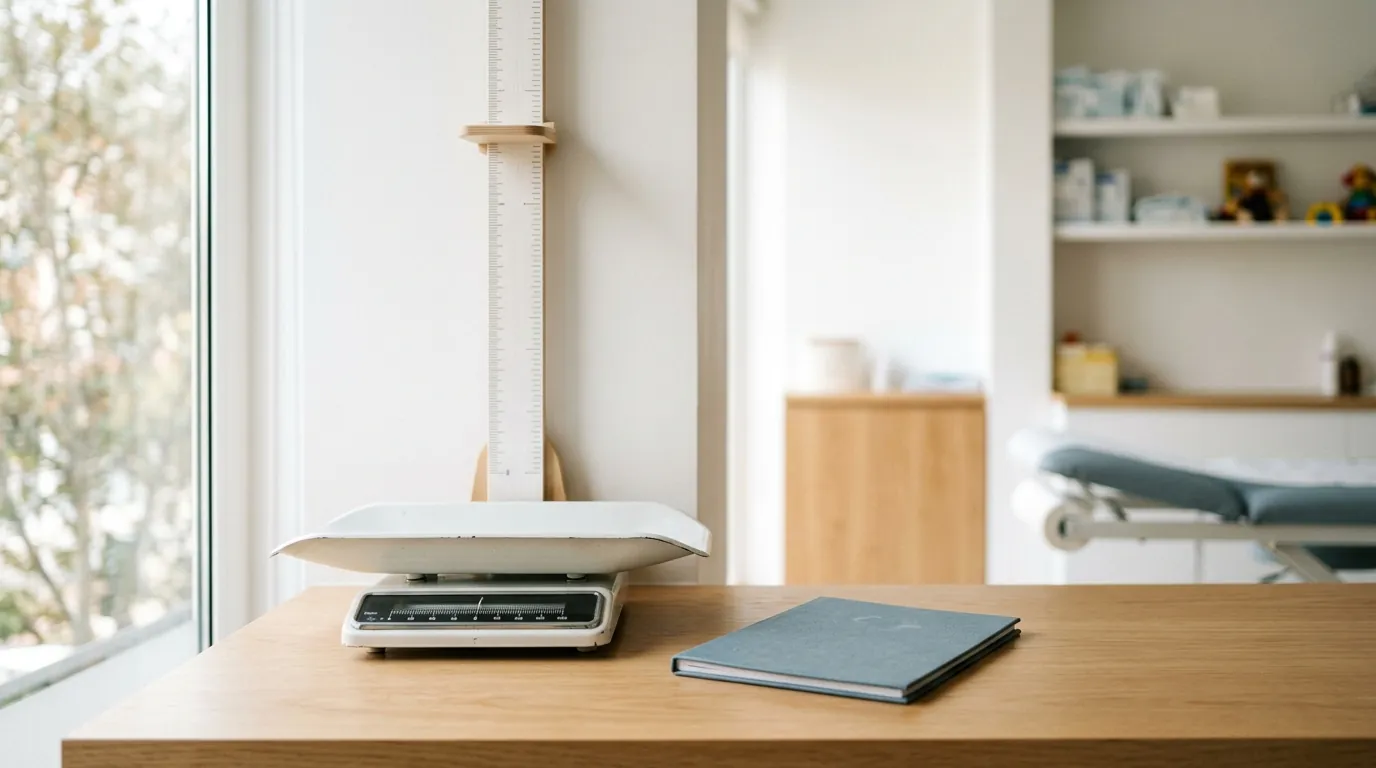
Well-child check-ups in Torre del Mar (Málaga): growth, psychomotor development, diet, sleep and vaccines, with time for parents' questions.
What they are for
Well-child check-ups are not a mere formality: they are consultations where conditions that do not yet present symptoms can be detected early. We monitor growth —weight, height, and head circumference mapped on growth charts—, psychomotor development, vision and hearing, diet, sleep, and behaviour. It is also the ideal time to resolve any questions that parents don't have time to ask when the child is unwell.
What is checked according to age
- First few months: feeding and breastfeeding, weight curve, sleep, screenings, and hip examination.
- Ages 1 to 3 years: walking, language, complementary feeding, and independence.
- School age: vision and hearing, posture and back health, habits, performance, and weight.
- Adolescence: pubertal development, diet, sports, sleep, and emotional health.
Vaccinations
At each review, we ensure the vaccination schedule is up to date and answer any questions regarding age-appropriate vaccines, including non-funded ones. We explain what to expect after each dose and when to seek medical advice.
Check-up schedule in Andalusia
The Child and Adolescent Health Programme of Andalusia (Junta de Andalucía, 2014) establishes twelve individual check-ups from birth to 14 years of age:
- First week of life.
- Between 15 days and 1 month.
- 2 months.
- 4 months.
- 6 months.
- 12 months.
- 18 months.
- 2 years.
- Between 3 and 4 years.
- 6 years.
- Between 9 and 11 years.
- Between 12 and 14 years.
This is the standard schedule for the Andalusian public health system. During your appointment, we will inform you when the next check-up is due and what will be assessed during each visit.
Reasons to bring your appointment forward
There is no need to wait for the next check-up if your child is not gaining weight, stops doing something they used to do, does not respond to sounds or make eye contact, if their speech is not progressing, or if something concerns you even if you cannot explain it. These are developmental signs: the correct course of action is to bring the paediatric assessment forward, rather than going to emergency care. Parental instinct is right far more often than acknowledged. When necessary, care is coordinated with child nutrition or the relevant specialty.
Signs of potential serious illness are a different matter and require immediate medical attention: in a baby under 3 months, a fever of 38 °C or higher; in older children, a fever accompanied by general malaise or other worrying symptoms; and at any age, a child who suddenly stops responding, is extremely lethargic, or is difficult to wake.
Frequently asked questions
What is the point of check-ups if my child is well?
For exactly that: they are the appointment where whatever is not yet causing symptoms is picked up in time. Growth, psychomotor development, vision and hearing, feeding, sleep and behaviour are all monitored, and the questions there is never time to ask when a child is ill get answered.
Are vaccines given at the same appointment?
At every check-up we make sure the schedule is up to date and answer any questions about the vaccines due for that age, including those not publicly funded. We explain what to expect after each dose and when you should get in touch.
When should I not wait for the next check-up?
It is advisable to bring the check-up forward if the child is not gaining weight, if they stop doing something they used to do, if they do not respond to sounds or make eye contact, if their language skills are not progressing, or if you are concerned about something even if you cannot explain it: that parental instinct is often right. And you should not wait for an appointment, but go straight to A&E, if a baby under 3 months has a fever of 38 °C or higher, if an older child has a fever accompanied by a poor general condition or other concerning symptoms, or if they suddenly stop responding, are very lethargic, or are difficult to wake.
What is checked at a well-child visit?
Weight, height and head circumference plotted on their growth charts, psychomotor and language development, vision and hearing, feeding, sleep and behaviour, a complete physical examination and the vaccination schedule. And the family's questions, which have time of their own at the well-child visit.
At what ages should well-child check-ups be carried out?
Health check-ups are more frequent during the first year of life. Afterwards, they are scheduled at different stages of childhood and adolescence, adapting to preventive recommendations, the vaccination schedule, and the needs of each child. At school age, the frequency may vary depending on the child health programme of each community; at the appointment, you will be advised when the next one is due.
Questions and comments
Ask the specialist who reviews this page or leave us a comment. Everything is reviewed before it is published.
To write, first confirm your email: we will send you a code.
Professional review
This content was reviewed by Dr Myriam Segovia Almiron (Paediatrics), registration no. 292914770 (Ilustre Colegio Oficial de Médicos de Málaga), to check that the information is accurate and up to date.
Review date: October 2026