
Removing a lump or a mole
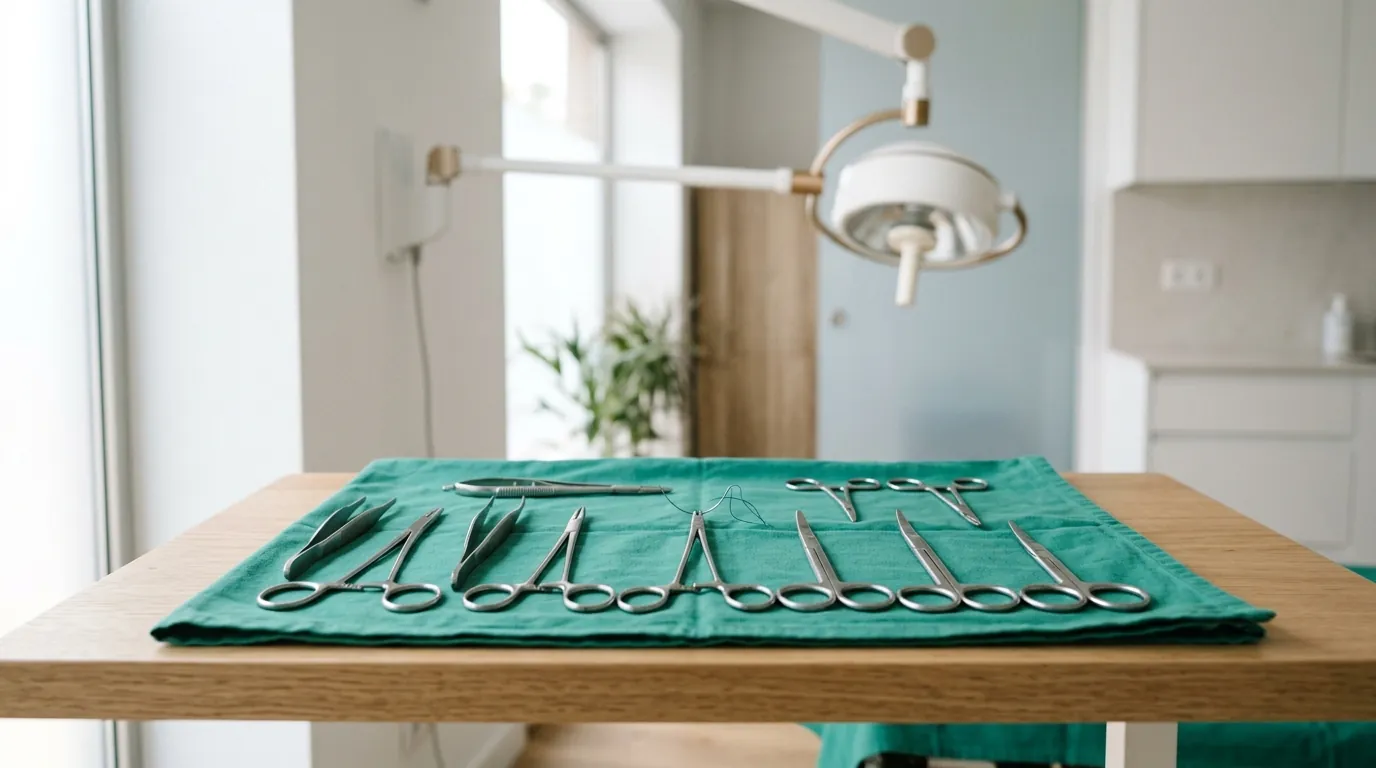
Minor surgery under local anaesthetic: removal of lipomas, sebaceous cysts and skin lesions, with lab analysis of the sample and follow-up wound care.
What minor surgery resolves
These are short procedures, under local anaesthetic and with no hospital stay, carried out in a treatment room set up for it. The most common:
- Lipomas: soft, mobile lumps of fat under the skin.
- Sebaceous and epidermal cysts, including ones that have been infected at some point.
- Skin lesions that are bothersome, rub against clothing or have changed in appearance.
- Ingrown toenails, warts and small lumps under the skin.
When it's worth removing
When it hurts or bothers you, when it grows, when it keeps getting infected, when it rubs against clothing, when it bothers you cosmetically, or when there's doubt about what it is. This last point matters: whatever is removed is sent for analysis, and that report is the only way to know for certain what it was.
What the procedure involves
Afterwards
- Wound care as instructed, keeping it clean and dry.
- Stitches removed a few days later, at the centre itself.
- Avoiding strenuous activity and swimming until it's healed.
- A follow-up with the analysis result, to close the case.
When the lesion is on the skin and the diagnosis isn't clear, the assessment can start with dermatology; if it's a hernia or an abdominal condition, it's investigated at the general surgery.
Frequently asked questions
Is whatever is removed sent for analysis?
Yes, always. The excised specimen is sent to pathology, and that report is the only way to know for certain what it was. The result is given to you and explained at a follow-up visit, which also serves to check how the wound has healed.
Does the procedure hurt?
The only real discomfort is the prick of the local anaesthetic; from then on you feel no pain, though you may feel pressure or tugging. The procedure lasts between fifteen and forty minutes depending on the size, and you walk out with the wound covered. Afterwards simple painkillers are enough if it is sore.
When are the stitches removed?
It depends on the area: on the face they are usually taken out sooner and on the back or the legs later. You are given the date at the consultation itself and it is done there. Until then it is best to keep the wound clean and dry, avoid strain and not take baths.
When should a lipoma be operated on?
When it hurts or bothers you, when it grows, when it rubs against clothing or limits movement, when it is cosmetically uncomfortable or when there is doubt as to whether it really is a lipoma. A lump that grows quickly, is hard, is fixed to deeper tissues or hurts spontaneously is assessed without delay.
What happens after lipoma surgery?
The wound is closed with stitches and covered; you may be left with a bruise or a hardened area for some weeks, which is normal. You are advised to avoid strenuous activity and soaking in water until it closes, and the stitches are removed a few days later at the practice itself, along with the result of the analysis.