
Acne treatment
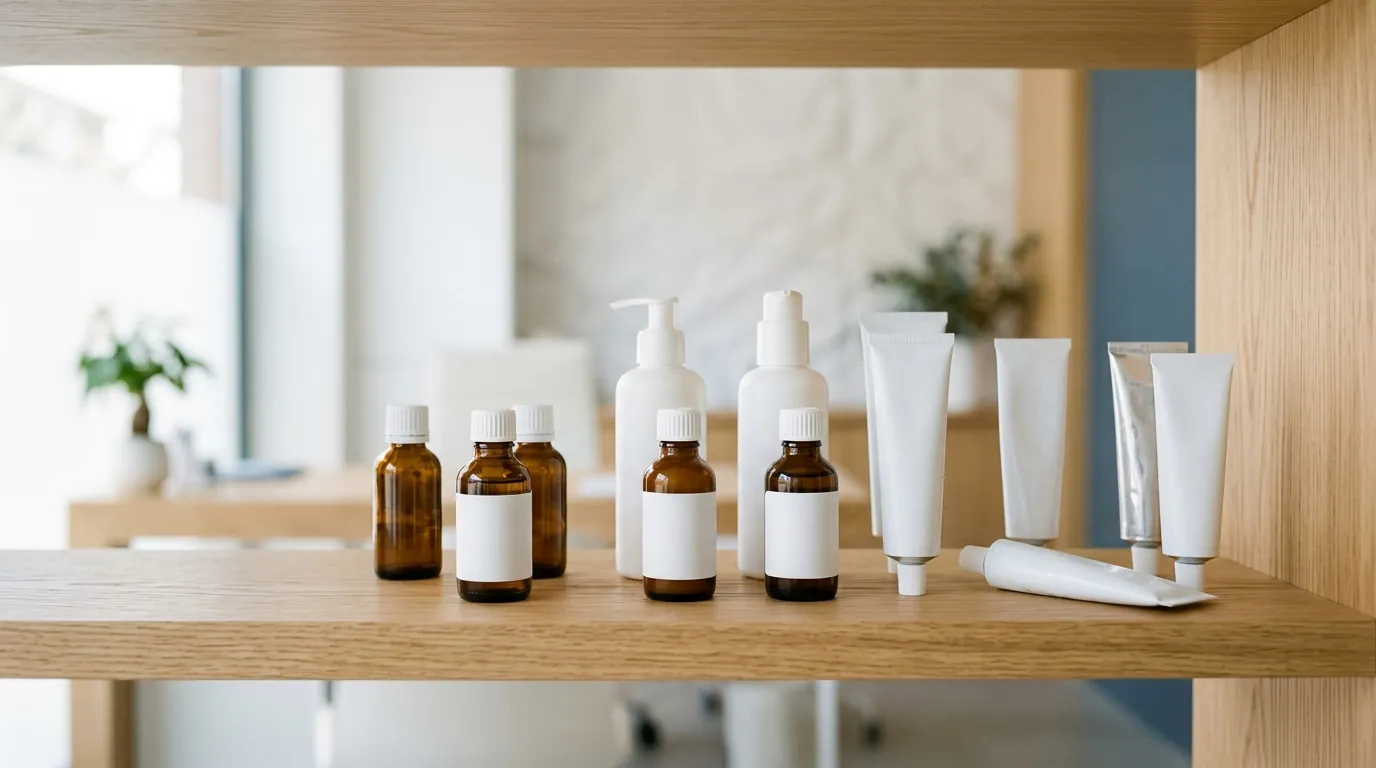
Medical acne treatment: a topical or oral plan depending on type and severity, follow-up to prevent scarring, and honest skincare advice.
Acne isn't just a teenage thing
It mostly appears in adolescence, but there's adult acne — very common in women, along the jawline — and acne that carries on or comes back past thirty. In every case there's a treatment, and in every case it's worth not waiting: acne treated early leaves fewer scars, and scars are far harder to correct than spots.
When to book an appointment
- Spots that don't improve with pharmacy products after a few weeks.
- Inflamed, deep or painful lesions — the ones that leave marks.
- Marks or scars from previous breakouts.
- Acne that reappears in adulthood, or comes with irregular periods and excess hair growth.
- When it affects your mood or your relationships: that's a perfectly legitimate reason to see us.
How we treat it
First we classify it: which type of lesion is most common, how severe it is, and what you've already tried. From there, the plan may combine topical treatment (retinoids, benzoyl peroxide, antibiotic creams), oral treatment where the case justifies it, and adjustments to your cleansing and moisturising routine. In women with a suspected hormonal cause, we consider a workup with hormone testing and coordination with gynaecology.
Consistency and follow-up
No acne treatment works within a week: think in months, and it's normal for the skin to get irritated at first. That's why there are follow-up visits — to adjust doses, change what the skin doesn't tolerate and keep the treatment going until the improvement holds. Scars and marks are addressed afterwards, once the breakout is under control.
Frequently asked questions
How long does acne treatment take to work?
It is measured in months, not weeks, and it is normal for the skin to become irritated at first. That is why there are check-ups: to adjust doses, change what is not tolerated and sustain the treatment until the improvement is consolidated. Giving up after three weeks is the most common reason it does not work.
I am over thirty, is it normal to have acne?
Yes. Adult acne is common, especially in women and around the jawline. Sometimes it is linked to hormonal factors, and in that case a study with blood tests and coordination with gynaecology are considered. Whatever your age, there is treatment.
And what about the marks I already have?
First the flare-up is brought under control and then the scars and marks are addressed: that is the order that works, because treating marks while new lesions keep appearing is putting the cart before the horse. The sooner active acne is treated, the fewer marks there will be to correct.
What is the best treatment for acne?
There is no single one: it depends on the type of lesions, on the severity and on what you have already tried. Topical treatments — retinoids, benzoyl peroxide — are combined with oral treatment when the case justifies it and with a suitable cleansing routine. What is common to all of them is consistency: it is measured in months.
What home remedy works for clearing acne?
None of them clears inflammatory acne, and several make it worse: toothpaste, lemon and alcohol irritate the skin and increase marks, and squeezing spots is the surest way to end up with a scar. What does help at home is cleansing gently twice a day, moisturising and not picking.