
Tratamientos
Published on
Dental veneers: what they are, types and care
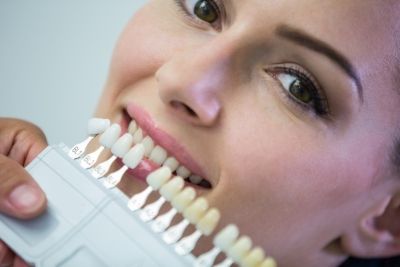
Porcelain or composite, with or without tooth reduction: what dental veneers correct, how the treatment is planned, how long they last and what care they need.
The colour, shape, size and alignment of teeth directly influence the harmony of a smile. When there are persistent stains, minor fractures, gaps between teeth or irregularly proportioned teeth, dental veneers can offer a bespoke aesthetic solution without the need for more complex treatments. At Clínicas Rincón Dental, we study each smile individually to achieve a natural, balanced result that is consistent with each patient's facial features.
What are dental veneers and what problems can they correct?
Veneers are thin shells designed to cover the front surface of the teeth. They are custom-made and bonded to the enamel to alter specific aspects of the smile without replacing the natural tooth. Their purpose is primarily aesthetic, although proper treatment planning must also respect the bite, the health of the gums, and overall oral function.
A dental veneer treatment can be considered to improve various issues:
- Stains or discolouration: especially when discolouration does not respond adequately to teeth whitening.
- Worn teeth or irregular edges: they make it possible to restore more harmonious proportions.
- Minor fractures or chips: they can conceal visible imperfections that affect the appearance of the smile.
- Gaps between teeth: in certain cases, they allow gaps to be closed without resorting to orthodontic movements.
- Irregularities in shape or size: they help balance teeth that are too small, short or asymmetrical.
- Slight alignment irregularities: they can visually improve certain defects, provided the bite does not require orthodontics.
Not all aesthetic problems should be resolved with veneers. Before recommending treatment, it is necessary to assess whether there is dental caries, gingival inflammation, enamel loss, bruxism or tooth misalignment that should be corrected through another procedure.
Porcelain or composite veneers: main differences
The two most commonly used materials are porcelain and composite resin. Both can provide highly satisfactory results, but they differ in terms of fabrication, maintenance, strength and repairability.
Porcelain veneers
Porcelain veneers are individually crafted to replicate the shape and translucency of tooth enamel. They offer excellent colour stability and high resistance to wear when correctly indicated and supported by good home care habits.
They are usually recommended when seeking an aesthetic transformation across multiple teeth, when there is significant discolouration, or when precise modifications to the shape and proportions of the smile are required. Placement requires particularly detailed planning to ensure the result does not look artificial or overly uniform.
Composite veneers
Composite is an aesthetic resin sculpted directly onto the tooth. It allows for conservative corrections, repair of minor defects and modification of specific areas of the smile. One of its main advantages is that it can be touched up or repaired relatively easily if a small chip or fracture occurs.
However, composite resin can lose its shine or stain over time, especially with frequent consumption of coffee, tea, red wine or tobacco. For this reason, it requires regular check-ups and polishing to maintain its initial appearance.
How is a dental veneer treatment planned?
The success of dental veneers does not depend solely on selecting an attractive material. It is essential to evaluate the entire smile and determine which changes are genuinely necessary. The process may include:
- Comprehensive oral examination: we check the health of the teeth, gums and surrounding oral tissues.
- Bite analysis: we evaluate how the teeth come together to prevent excessive force or premature fracturing.
- Proportion study: we analyse tooth size, the smile line, and how they relate to the lips and face.
- Shade selection: we aim for a bright tone that remains compatible with age, skin tone and untreated teeth.
- Outcome planning: we define the modifications in advance so that the patient understands the true scope of the treatment.
In some cases, it may be advisable to perform a professional cleaning first, treat gum disease, address cavities, or carry out teeth whitening. If there is significant crowding or a bite problem, orthodontics may be a more appropriate alternative or a preliminary step before aesthetic treatment.
Is it necessary to prepare the teeth to place veneers?
The degree of tooth preparation depends on the position, volume and original colour of each tooth. In some cases, minimal preparation can be achieved, whereas in others, a small amount of enamel must be trimmed to prevent the veneer from looking bulky or protruding beyond the rest of the teeth.
The priority should always be to preserve as much healthy tooth structure as possible. For this reason, using a one-size-fits-all procedure for all patients is inappropriate. A smile with small, spaced teeth requires a different planning approach compared to prominent, worn or heavily stained teeth.
A natural look as the goal of smile design
A good aesthetic treatment should not be limited to creating overly white teeth. Natural results depend on correctly combining colour, texture, length, edge shape and symmetry. Subtle variations must also be respected to prevent the smile from appearing flat or artificial.
At Clínicas Rincón Dental, we ensure that veneers integrate seamlessly with the gums, lips and facial features. The goal is not to reproduce a standard smile, but to design a proportionate solution for each individual, taking into account their expectations and the realistic possibilities of their mouth.
Care required after treatment
Veneers do not prevent teeth from developing decay or gum problems. To maintain the results, rigorous hygiene is essential to protect both the restorations and the natural tissues.
- Brush properly after meals using a non-abrasive technique.
- Use dental floss or interdental brushes to clean between teeth.
- Do not bite ice, pens, fingernails or hard objects.
- Avoid using your teeth to open packaging or cut objects.
- Attend recommended check-ups and professional cleanings.
- Wear a night guard (splint) if you suffer from bruxism or are at risk of excessive occlusal load.
Patients with composite veneers may also require periodic polishing. In the case of porcelain veneers, routine check-ups allow the dentist to monitor the condition of the margins, gums and bite.
Your dental veneer treatment
Before transforming a smile, it is necessary to understand what the patient wishes to improve and ensure that their teeth and gums are healthy. A correct assessment avoids unnecessary treatments and allows for a selection between porcelain, composite, teeth whitening, orthodontics or other aesthetic alternatives.
At Clínicas Rincón Dental, we carry out an individual assessment to design a proportionate, functional and long-lasting smile. Our team studies every detail so that the result respects the patient's identity and integrates naturally with their face.
Are you considering improving the shape or colour of your teeth? Request a dental veneer assessment and discover which option best suits your smile.
Frequently asked questions
How long do dental veneers last?
Durability depends on the material, enamel quality, hygiene, bite and the patient's habits. There's no single figure that applies to everyone. Regular check-ups and using night-time protection when there's bruxism help extend the treatment's lifespan.
Can veneers change color?
Porcelain holds its shade very well, although the natural teeth nearby can darken over time. Composite has a greater tendency to become discolored and may need polishing or touch-ups over time.
Can whitening be done after veneers are fitted?
Whitening products act on natural tooth structure, but they don't change the color of porcelain or composite. That's why, when someone wants to lighten their smile, whitening is usually considered before choosing the final shade of the veneers.
Can I get veneers if I grind my teeth?
Bruxism doesn't always rule out treatment, but it increases the risk of wear, cracks or detachment. It's essential to study the bite, control the overload and consider using a protective night guard.
Do veneers correct crooked teeth?
They can improve mild irregularities, but they don't replace orthodontics when there's significant crowding or a functional bite problem. Diagnosis will determine which treatment is more conservative and stable.