
Dentofacial orthopaedics
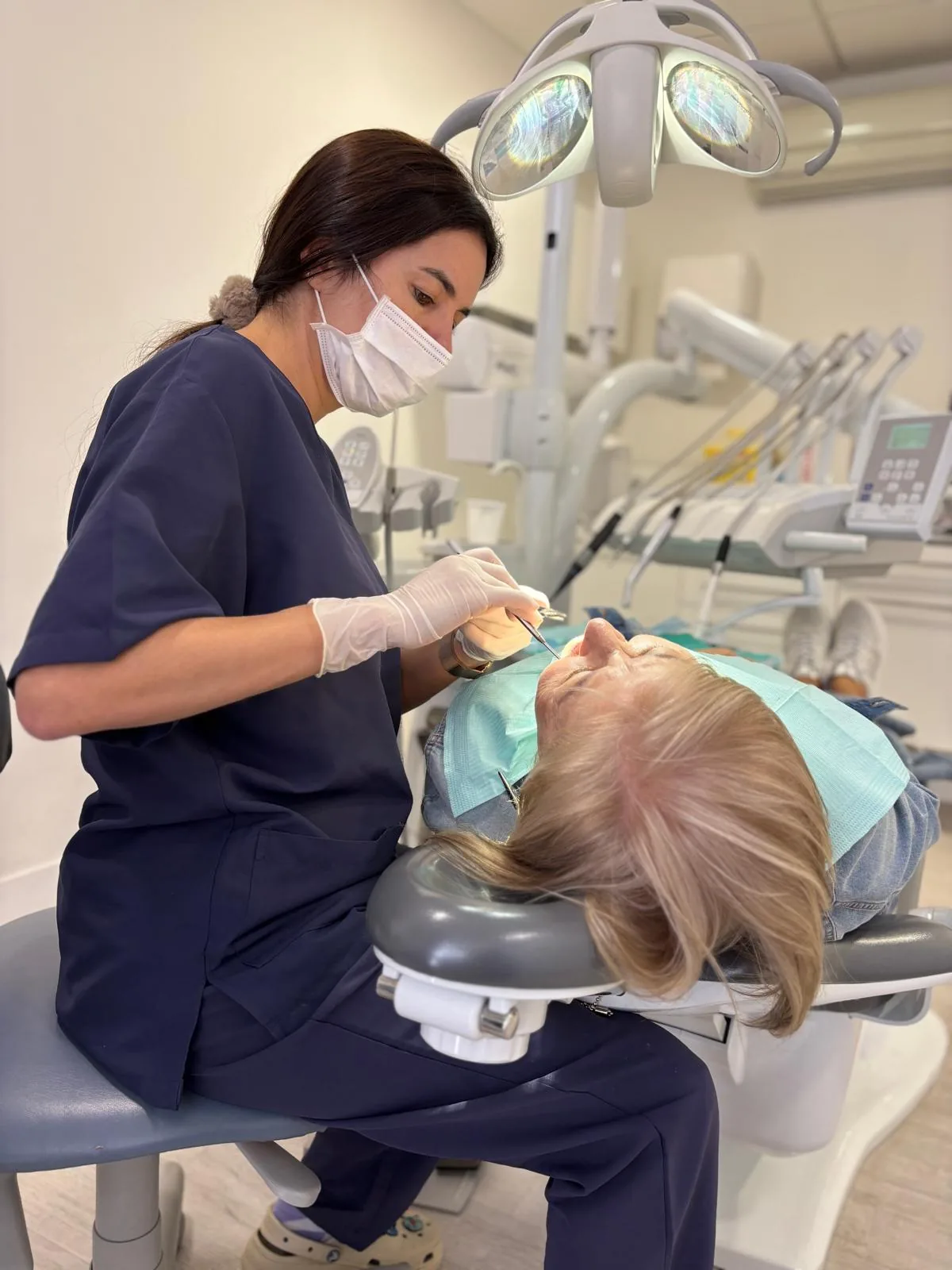
Appliances that guide jaw growth in children: narrow palate, crossbite or malocclusion. When to have the first check-up.
What is dentofacial orthopaedics?
Orthodontics moves the teeth. Dentofacial orthopaedics works on the jawbones while the child is still growing, to correct or guide their development. It takes advantage of a stage in which the bone still responds, and which does not come back later on.
What problems it treats
- Narrow palate and crossbite: the upper teeth bite inside the lower ones.
- A lower jaw that sits too far back or too far forward in relation to the upper jaw.
- Open bite related to habits such as using a dummy or thumb-sucking beyond the normal age.
- Lack of space for the permanent teeth to come through.
When to have the first check-up
At around 6-7 years of age, when the first permanent teeth start to come through, is a good time for an assessment, even if your child has no discomfort. It does not mean that treatment has to start: often, monitoring is enough. Come and see us sooner if you notice that your child regularly breathes through their mouth, snores, clenches their teeth or chews in an unusual way.
What appliances are used
They can be fixed, such as palatal expanders, or removable, which the child puts in and takes out and which work if they are worn for the recommended number of hours. The type of appliance and how long it is worn depend on each case.
And afterwards
Orthopaedics is usually a first phase. Once the permanent teeth have come through, a second phase of orthodontics is sometimes needed—with braces or aligners—to finish positioning them, and it is usually shorter and simpler thanks to what was achieved in the first phase.
For everything related to your little ones' dental health, see our page on children's dentistry.
If you think this applies to you, book an appointment and we will assess it at the clinic.