
Dental treatment for children
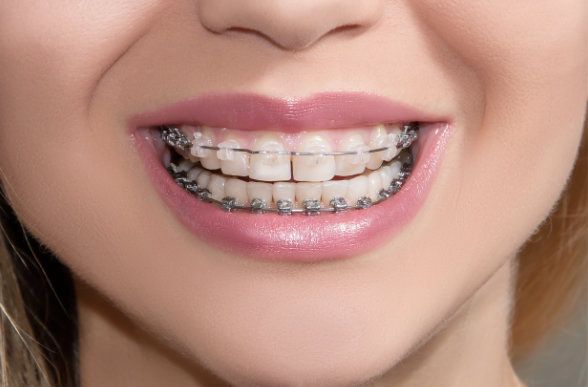
Fillings, pulpotomies, extractions and space maintainers in baby teeth, with child psychology techniques so children don't become afraid of the dentist.
Prevention is the best treatment. Even so, many children come to our clinics needing one of our services
Good oral hygiene and a balanced, healthy diet are the key to preventing tooth decay and other oral diseases
Our clinicians use a range of
child psychology techniques to prevent fears and future phobias
PULPOTOMY
This treatment involves removing the affected pulp tissue in the crown while preserving the pulp tissue in the root, when decay is very deep and has reached the pulp, or nerve, of the tooth. The final restoration is then carried out.
A pulpotomy prevents inflammation of the pulp or nerve remaining in the roots of the baby tooth, and so prevents possible infection, meaning the permanent tooth underneath is never affected.
PULPECTOMY
This is a treatment similar to a pulpotomy, carried out when there is already chronic inflammation of the nerve or necrosis.
Both the crown and root pulp are treated and the canals are “filled” with a resorbable material so that it does not interfere with the eruption of the permanent tooth. The final restoration is then carried out
You should brush your teeth after every meal
and remember that the most important brushing is the one before bed
SPACE MAINTAINERS
These are fixed or removable devices designed to preserve the space left by one or more lost teeth.
They are used when a baby tooth is lost before the permanent tooth is ready to replace it. They keep the space or gap open until the permanent tooth comes through
FILLINGS
These are done in the same way as in adults: the damaged tooth tissue or decay is removed and the tooth is then restored to bring back its function and shape.
Depending on how extensive the decay is, they can be done with or without local anaesthetic, using psychological techniques so the child is not afraid and does not have a bad experience.
The materials used are composite resins. Thanks to this material we can match the colour of the natural tooth.
Frequently asked questions
What are fissure sealants?
A flowable material placed in the grooves of newly erupted permanent molars to stop plaque building up there, which is where most decay appears. It is applied without anaesthetic and without touching the tooth, and it is checked periodically.
What should I do if my child breaks a tooth in a knock?
Come in as soon as possible. If it is a permanent tooth and it has come out whole, reimplantation can be attempted: pick it up by the crown, not by the root, and transport it in milk or saline, never in water. Within the first few hours the chances are much higher.
Is fluoride safe for children?
Yes, at the concentrations appropriate for each age, and it is one of the most effective measures against decay. What must be avoided is them swallowing too much toothpaste: the amount recommended for their age is used and brushing is supervised until they are dexterous enough.
Related articles
Children's dentist: the first visit and how to overcome fear
At what age should you take your child to the dentist for the first time? What we do in pediatric dentistry, why baby teeth matter…