
Dental emergencies
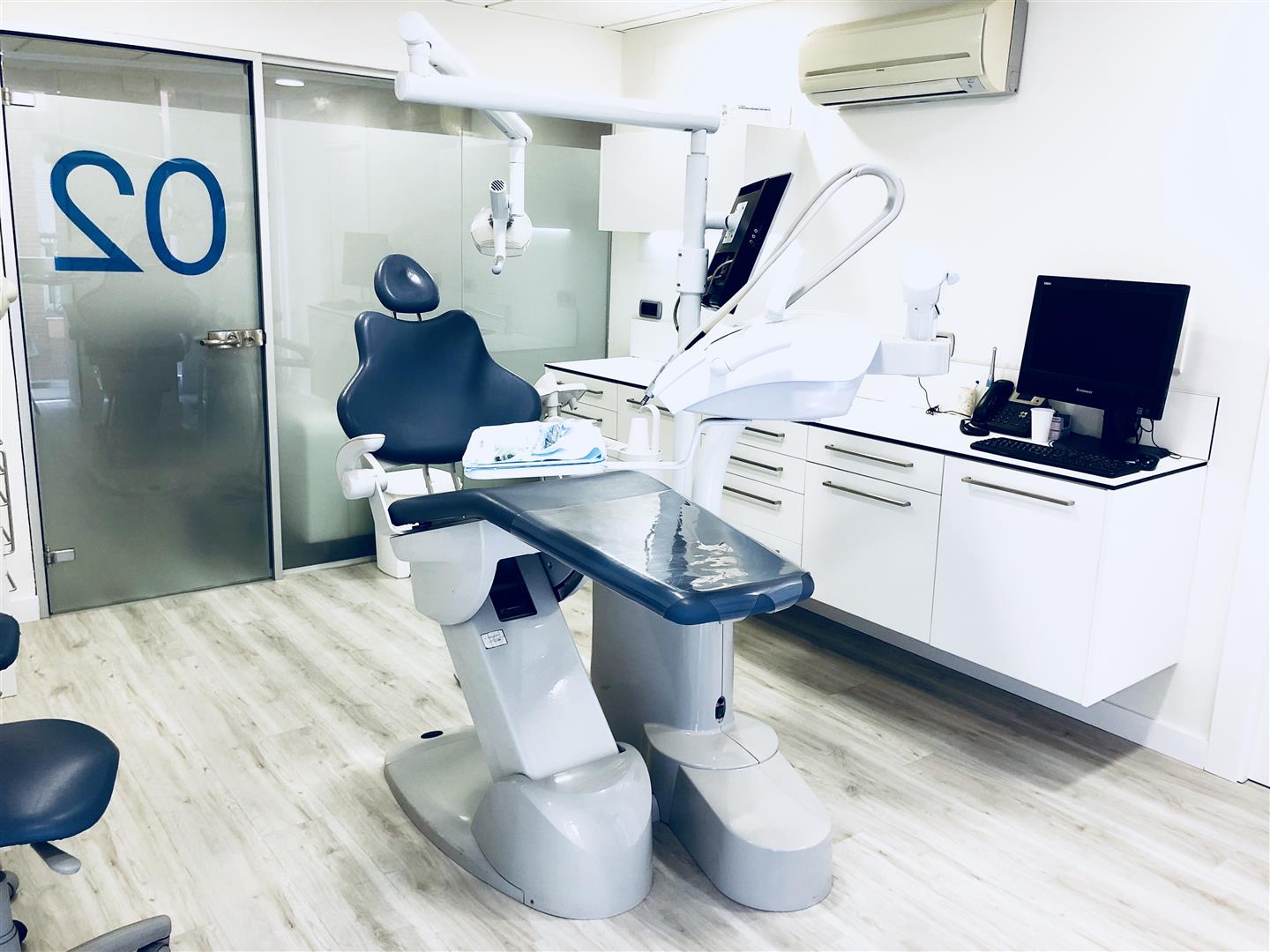
Severe toothache, an abscess or a broken tooth? Call your nearest clinic: we aim to see dental emergencies the same day.
What counts as a real dental emergency
A dental emergency is a problem in the mouth that should not wait for a routine appointment: severe pain that does not ease with your usual painkiller, an infection with swelling, an injury or bleeding that will not stop. Not every discomfort qualifies — passing sensitivity or an overdue check-up can wait a few days — but with acute pain, swelling or a tooth damaged by a blow, time matters: the sooner it is assessed, the more treatment options there usually are.
If you think you have an emergency, call your nearest clinic: we aim to see emergencies the same day, depending on each centre's appointment availability. You will find addresses and phone numbers on each clinic's page (the “Clínicas” menu): we are spread across Málaga city, the Axarquía and the Costa del Sol.
The most common emergencies and what to do on your way in
Severe toothache
Rinse with warm water and use dental floss in case a piece of food is pressing on the gum. You can take the painkiller you normally use, following its instructions. Do not apply heat to your face or place aspirin on the gum: it can burn the tissue. And do not take antibiotics on your own; if they are needed, they must be prescribed after an examination.
Dental abscess
An abscess is an infection with a build-up of pus that usually swells the gum or the face. Do not pierce it or press on it. Applying cold from the outside, wrapped in a cloth, may bring relief. Even if the pain eases, the infection is still there and needs treatment: do not let it drag on.
Broken or fractured tooth
Rinse your mouth with water and apply cold externally if there is swelling. If you find the fragment, keep it in saline solution or milk and bring it to the clinic: in some cases it can help with the repair. Avoid chewing on that side until we see you.
A tooth knocked out by a blow
If a blow knocks out an adult tooth, pick it up by the crown, without touching the root. If it is clean, try to place it gently back into its socket; if that is not possible, keep it in milk, saline or your own saliva and come in as soon as you can: the first few hours are decisive for replanting it. Baby teeth are not replanted, but a check-up is still advisable. When a tooth cannot be saved, there are ways to replace it, such as dental implants.
How we handle an emergency
When you arrive, the dentist examines the area and, if necessary, takes an X-ray to find the source of the problem. The priority at the first visit is to relieve the pain and control the infection or the bleeding. Once the situation is stable, we explain the diagnosis and calmly plan the definitive treatment, which may range from a filling or root canal treatment to replacing the tooth with implants or dental prostheses.
When to go to hospital emergency care
Some situations go beyond what a dental clinic can resolve and require immediate hospital care:
- Swelling that makes it hard to breathe, swallow or open your mouth.
- A high fever with general malaise linked to a dental infection.
- A significant facial injury, especially with loss of consciousness, dizziness or vomiting.
- Heavy bleeding that does not stop after several minutes of pressure.
In those cases, go to the hospital emergency department or call 112. For everything else, your dental clinic is the right place: call your nearest one and we will tell you how to proceed.
Frequently asked questions
What counts as a dental emergency?
Severe pain that does not ease with painkillers, an abscess or facial swelling, trauma with a broken or displaced tooth, bleeding that will not stop after an extraction, or an infection with fever and difficulty opening your mouth or swallowing.
A knock has knocked out one of my teeth, what do I do?
If it is a whole permanent tooth, pick it up by the crown and not by the root, do not scrub it, and transport it in milk or saline solution —never in water— coming in as soon as possible. The chances of saving it drop sharply once the first hour has passed.
What can I do until I get to the clinic?
Apply cold to the outside of the cheek in short spells, take your usual painkiller if you tolerate it and avoid heat on the area, which makes the infection worse. Do not put aspirin directly on the gum or try to drain an abscess yourself.
Can the pain go away on its own?
The pain can subside because the tooth's nerve has died, and that does not mean it has healed: the infection carries on advancing silently towards the bone. It no longer hurting is not a reason to cancel the appointment, but to attend all the same.
Can I go to emergency dental care for toothache?
Yes, and you should do so when the pain does not respond to painkillers, when the face or gum swells, when there is a fever or when it becomes hard to open your mouth or swallow. The emergency appointment aims to control the pain and the infection; the definitive treatment —root canal, extraction or restoration— is scheduled afterwards.
Can a tooth be extracted in the emergency appointment?
Sometimes yes and sometimes no. With a badly inflamed acute infection it may be preferable to bring the infection under control first and extract afterwards, because the anaesthetic works less well in inflamed tissue. At the appointment we assess what is safest in your case and explain why.