
Female infertility
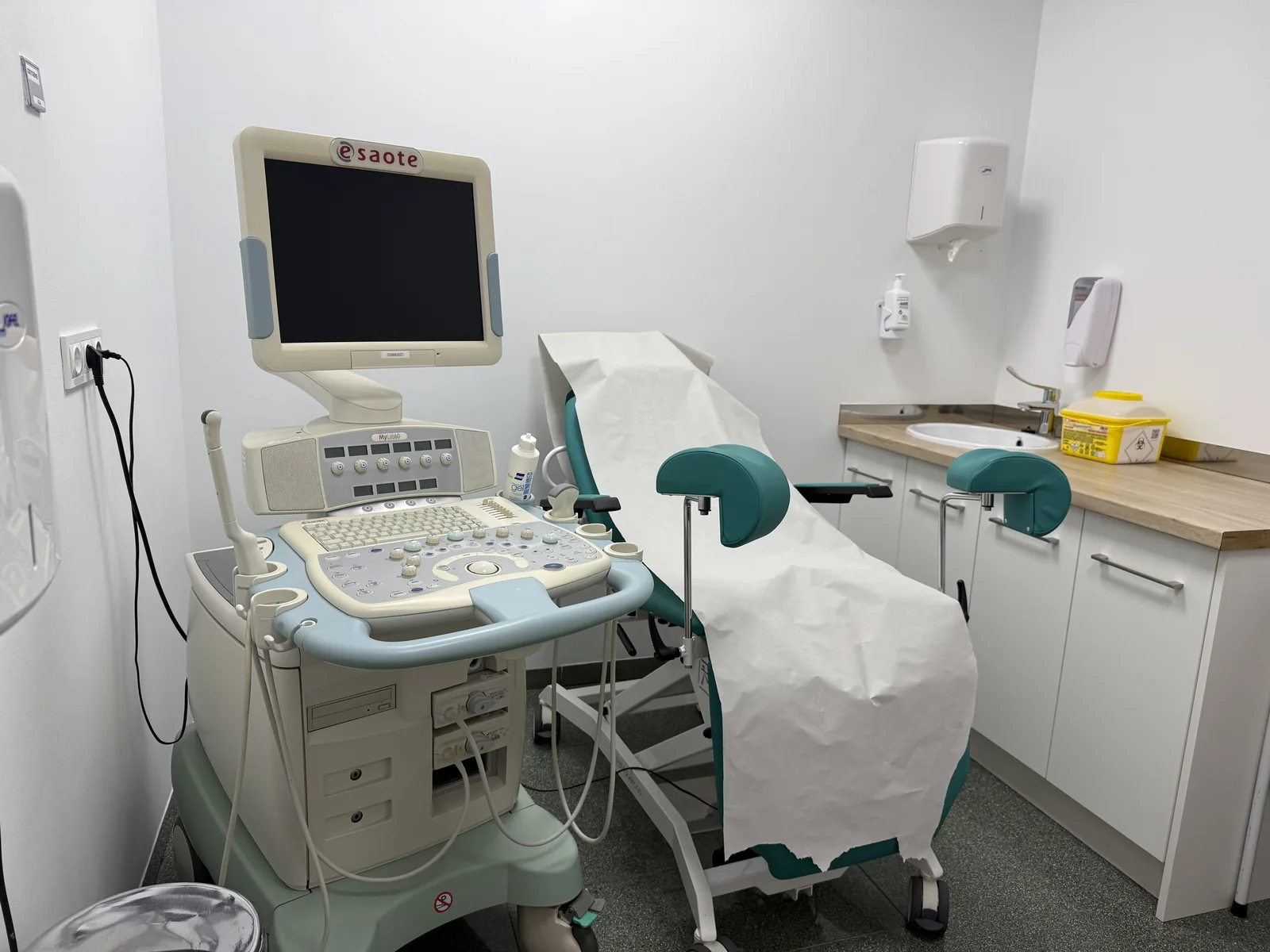
Ovulation, regulated by hormonal changes between the ovaries, pituitary gland and hypothalamus, allows the egg to reach the fallopian tube for fertilization. The success of pregnancy depends on a precise sequence of events, although various factors can alter this natural process.
We can classify the causes of female infertility according to the level at which the dysfunction occurs, being able to distinguish:
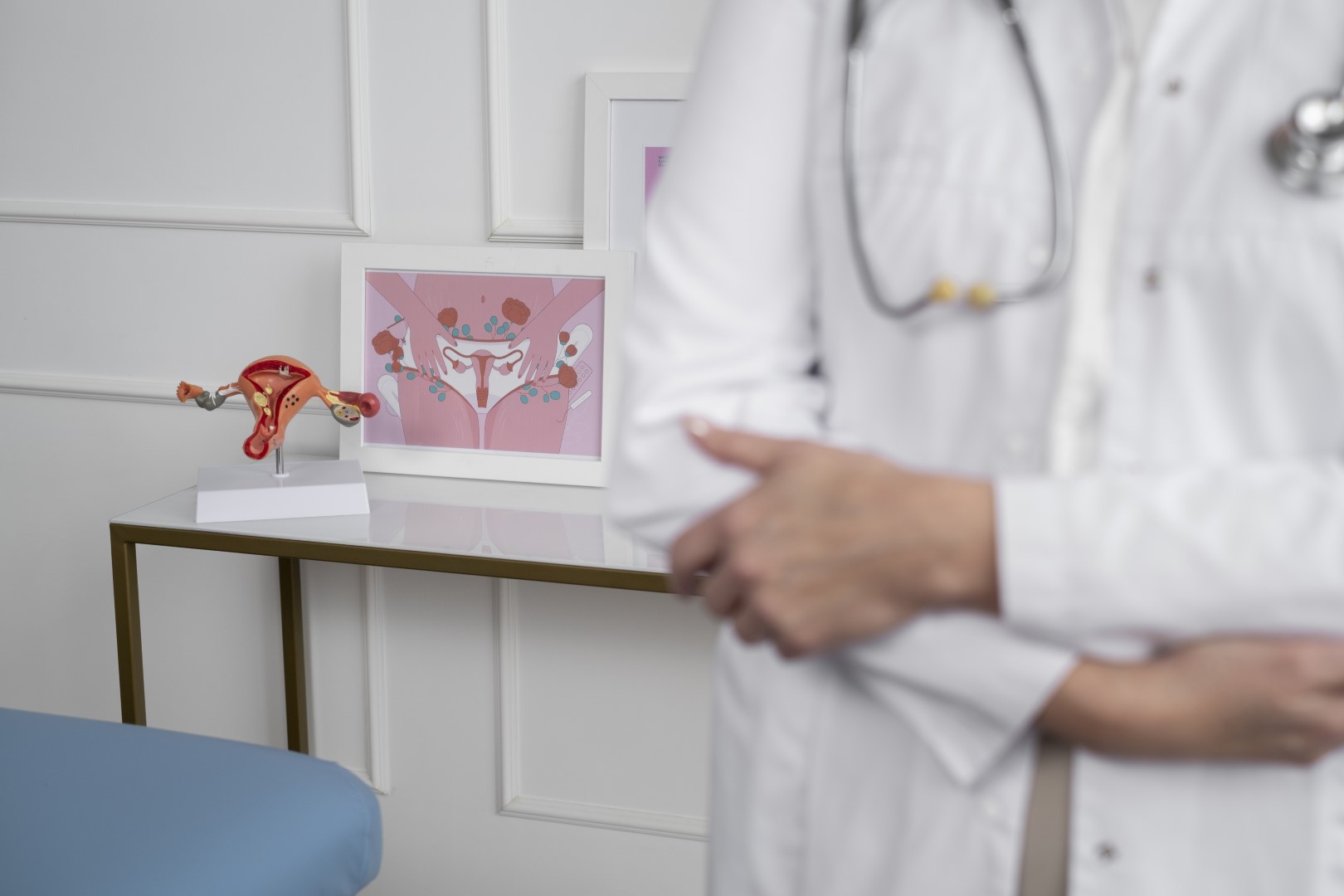
Ovarian failure
It includes both women who present minor functional alterations that do not prevent ovulation, as well as women who have completely lost ovarian function.
Women with ovarian function
We are referring to women who, even having menstruation, can present; reduced ovarian function because they have reached an advanced age (35 years) and their eggs are no longer in the optimal maturation environment, women who have a low ovarian reserve, women with hormonal disorders such as Polycystic Ovary Syndrome (PCOS) or those that involve prolonged periods with lack of menstruation (Amenorrhea).
Occasionally, women with severe endometriosis that affects ovarian function may be included in this group.
Women without ovarian function
Those who have completely lost ovarian function due to advanced age or premature ovarian failure if menopause occurs before the age of 40.
Sometimes, it may be due to an injury, infection, oncological treatment or surgical intervention that affects the function of the ovary.
Although less common, a genetic predisposition or chromosomal alterations can cause loss of ovarian function.
Tubal failure
In the fallopian tubes, fertilization of the oocyte by sperm takes place and, subsequently, the transport of the zygote to the uterus.
Therefore, any type of alteration that makes the passage of sperm and the zygote difficult will have its implications on the couple's fertile potential. Inflammatory, infectious processes or previous surgical interventions can trigger obstruction of the tube.
The tissue of the uterus and tubes are closely united, to the point that any injury can facilitate healing and form adhesions that cause partial or total obstruction of the passage through this cavity.
Some malformations constitute an obstruction and lack of patency between the uterine and tubal cavities.

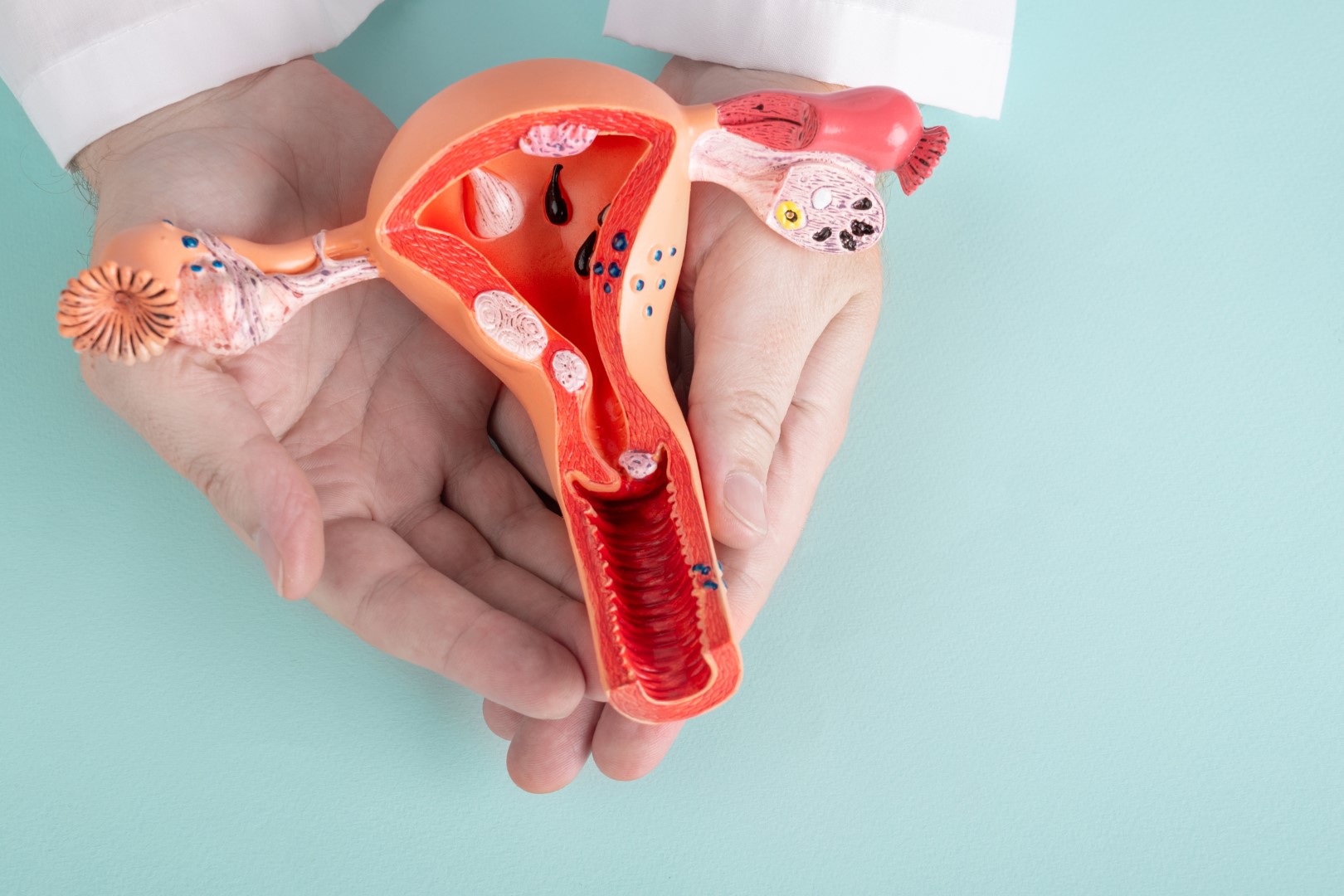
Uterine or endometrial failure
Certain uterine anomalies affect embryo implantation.
The endometrium is the mucosa that lines the inside of the uterus and is responsible for establishing a direct molecular dialogue with the embryo during implantation.
Some malformations of the uterine anatomy, the presence of tumors, fibroids and polyps, can drastically affect the chances of obtaining a pregnancy.