
Artificial insemination
Artificial insemination is a simple treatment that consists of the assisted deposition of sperm in the woman's uterus.
Conjugal
Artificial insemination is a simple treatment that consists of the assisted deposition of sperm in the woman's uterus. In this procedure, ovulation is programmed to temporarily coincide the egg with the sperm capable of fertilizing it.
In women, there should be no barrier that prevents communication between the ovary and the uterine cavity, and at least one of the fallopian tubes must be permeable.
For this process to take place, it is necessary for the man to have normal seminal characteristics or at least mild alterations, requiring a count of motile sperm (MSC) above 4 million motile sperm per milliliter.
Artificial insemination is indicated for all couples where, after the initial study of the man's seminal characteristics and the gynecological evaluation of the woman, the cause of infertility cannot be fully determined.
Artificial insemination is usually the initial technique of choice when the man has mild sperm alterations or has difficulty depositing sperm through intercourse, either due to some type of genital or psychological issue.
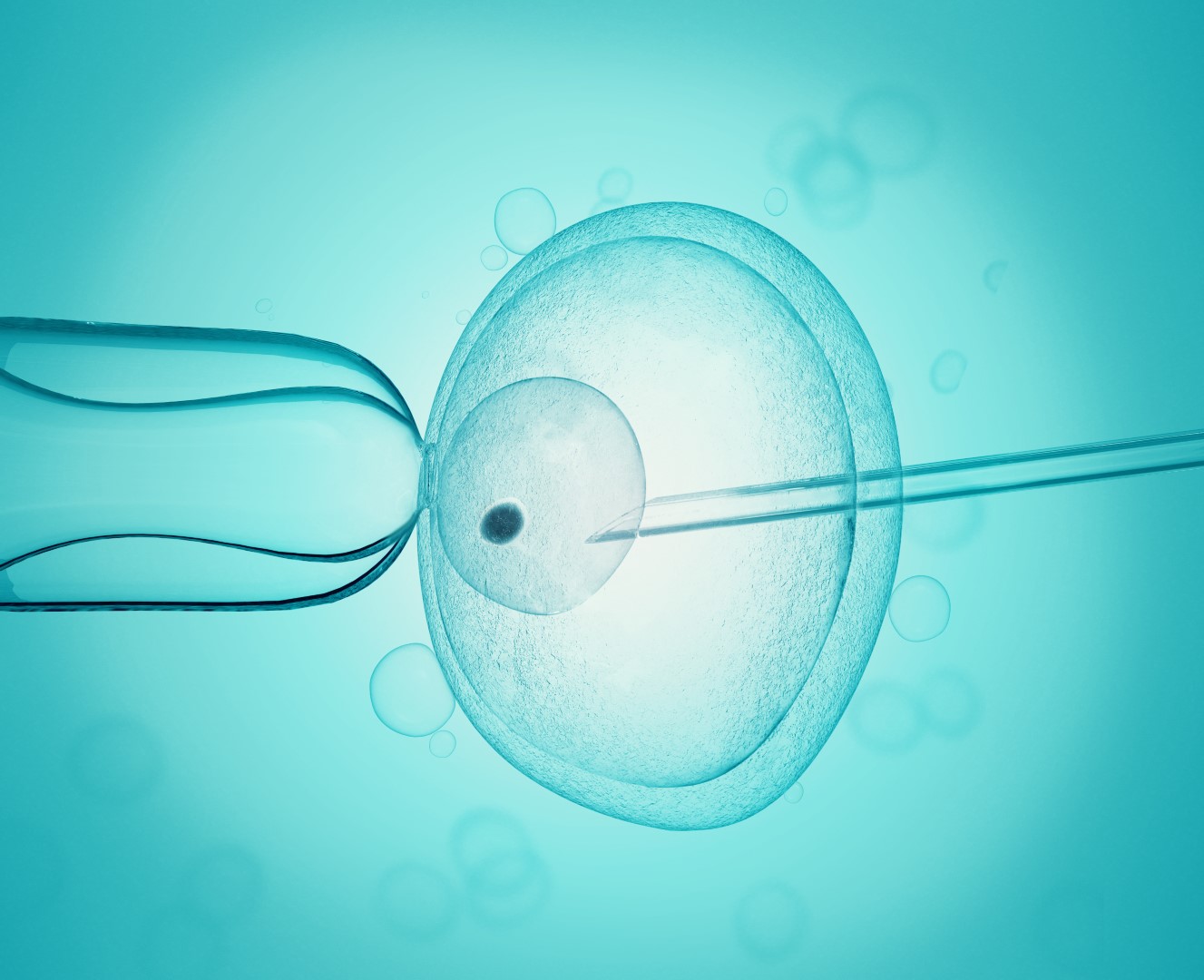
What does the procedure consist of?
Artificial insemination is done in 3 easy steps:
Gentle ovarian stimulation
The woman undergoes mild ovarian stimulation to control the growth of at least one or two eggs.
Sometimes it can be done on a natural cycle when follicular development is adequate.
Controlled ovarian stimulation increases follicular development and therefore the chances of having more than one egg available.
Sperm capacitation
The donor's semen will be thawed and the sperm with greater mobility are recovered, which in turn are those that will have the greatest fertilizing capacity.
Insemination in the clinic
The trained sperm will be loaded into a special cannula that will be used as a transport vehicle to the inside of the uterus.
The procedure is painless and will be performed in consultation.
When is insemination indicated?
Male causes
- Mild sperm alterations with MSC (Motile Sperm Count) above 4 million motile sperm.
- When sperm cannot be deposited during ejaculation due to any type of anatomical-functional or psychological alteration.
- When sperm has been cryopreserved and a fresh sample is not available.
Female causes
- Functional, organic, or psychological alteration that prevents intercourse.
- Mild-grade endometriosis.
Others
- Infertility of unknown origin.
- Immunological cause.