
Testicular biopsy: when there is no sperm in the semen
A semen analysis that finds no sperm does not always mean that the testicle is not producing them. A testicular biopsy looks for them directly there, so they can be used in in vitro fertilisation.
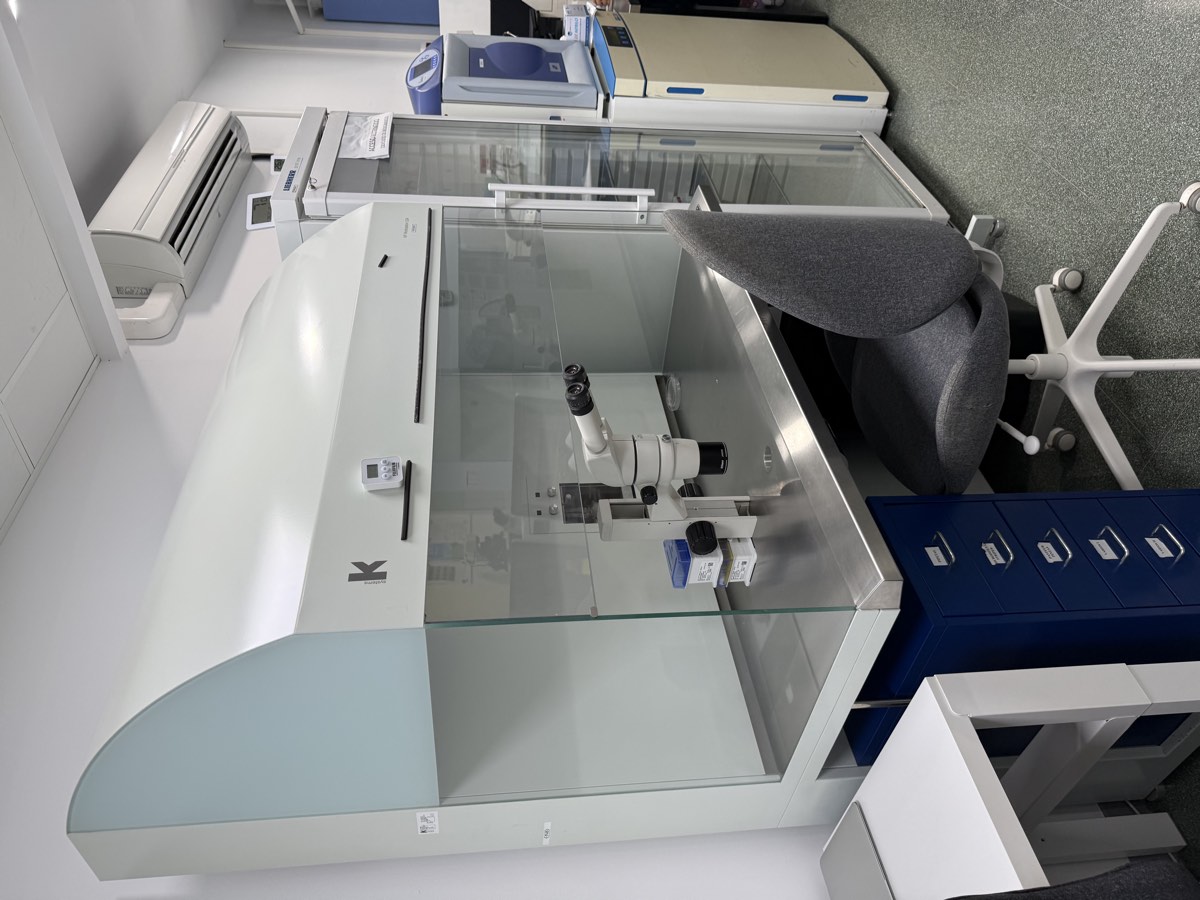
A testicular biopsy is a minor procedure in which a sample of tissue is taken from the testicle to look for sperm in the laboratory. It is considered when there is no sperm in the semen (azoospermia). After a vasectomy it is one of two options; the other is surgery to rejoin the ducts. If sperm are found, depending on the case they are used fresh or frozen for use in in vitro fertilisation with microinjection. They are not always found, and it is worth knowing that beforehand.
When it is considered
- Obstructive azoospermia: the testicle produces sperm, but they do not come out because the ducts are blocked or missing. This is the case after a vasectomy.
- Non-obstructive azoospermia: the testicle produces very few sperm or none. Even so, in some cases a few are found in specific areas of the tissue.
- When a semen sample cannot be obtained for other reasons, and the specialist considers it appropriate.
Before it is recommended, two semen analyses confirming the azoospermia, a physical examination and a hormone test are needed; depending on the case, the specialist adds an ultrasound scan and a genetic test [5][32]. That assessment cannot tell in advance whether sperm will be found. The exception is a few genetic results that indicate there will be none: in those cases surgery is not performed. The assessment also shows whether there is a genetic cause that is worth knowing about before trying for a pregnancy. It is explained in male fertility.
What the procedure is like
It is done in an operating theatre, under local anaesthetic or sedation, and does not require a hospital stay. Through a small incision, one or more tissue samples are taken, which the laboratory examines there and then.
If there are sperm, depending on the case they can be used fresh or cryopreserved (frozen) for later. Because there are very few, they are used through microinjection (ICSI): one sperm is injected into each egg. The specialist chooses the retrieval technique according to the cause [32].
Afterwards, and the risks
It is normal to feel some discomfort and a little swelling for a few days. Taking it easy and avoiding strenuous effort during that time is recommended; the team will tell you for how long.
- Haematoma in the area or inside the testicle: it is often seen on the follow-up ultrasound and is usually reabsorbed.
- A small internal scar in the testicle.
- Pain after the procedure.
- Infection.
- Testosterone may fall. It usually recovers, but this can take more than a year, which is why it is monitored with blood tests afterwards [5]. If it was already low before, this is taken into account when deciding.
If no sperm are found
When there is no blockage, sperm are not found in around half of cases, or more. No prior test can reliably predict it [5]. That is why what you will do in that case is discussed before the procedure. The alternative for achieving a pregnancy is donor sperm, through insemination or in vitro fertilisation; other people choose adoption or not to continue. None of those decisions has to be made on the day.
Frequently asked questions
What is a testicular biopsy?
A minor procedure to take a sample of tissue from the testicle and look for sperm in it that can be used in in vitro fertilisation.
Does a testicular biopsy hurt?
It is done under local anaesthetic or sedation. Afterwards it is common to have discomfort and swelling for a few days, which are managed with painkillers and taking it easy.
Is sperm always found?
No. When the cause is a blockage, as after a vasectomy, sperm are usually found. When there is no blockage, they are not found in around half of cases, or more, and no prior test can reliably predict it.
Can you become a father after a vasectomy?
Yes, it is possible, in two ways: surgery to rejoin the ducts, which is what the guidelines recommend considering first, or retrieving sperm from the testicle for in vitro fertilisation. Neither guarantees it.
What is the sperm retrieved used for?
For in vitro fertilisation with microinjection (ICSI). Because there are few of them, they cannot be used for artificial insemination.
So, what is your next step?
Answer a few questions and the pre-diagnosis will tell you which stage you are at and what is worth assessing in a consultation. It is free and you see the result straight away, without leaving your details.
Sources
- Male infertility (Sexual and Reproductive Health). European Association of Urology (EAU), 2026.
- Diagnosis and treatment of infertility in men: AUA/ASRM guideline. American Urological Association and ASRM, 2024.
The numbers in square brackets in the text refer to this list.