
Fertility preservation: keeping options open for later
Vitrifying eggs means freezing them with an ultra-fast technique so they can be used in the future. There are two very different reasons for doing it, and each has its own pace.
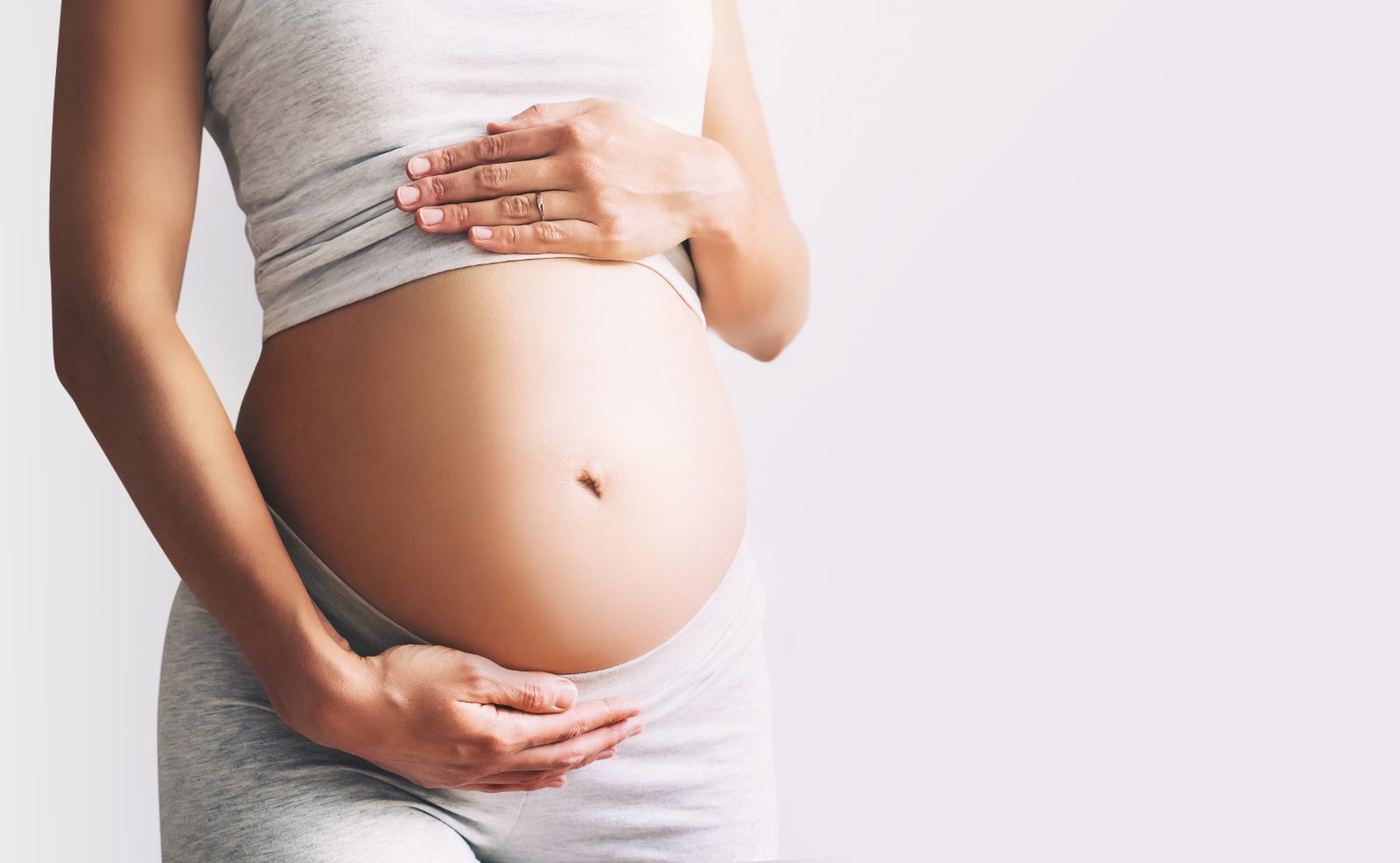
Vitrifying eggs allows you to use, in the future, eggs of your current age. The options depend mainly on the age at which they are vitrified and on the number of eggs obtained. It increases the chances, but does not guarantee a pregnancy.
Two reasons, two pathways
Before a treatment that damages the ovaries
Chemotherapy, radiotherapy, some surgery or illnesses. Here time matters: it is coordinated with your oncologist or your doctor so as not to delay the main treatment.
Because now is not the right time
Because you do not have a partner, because of work or for any other reason. There is no rush, but the earlier it is done, the more useful the eggs will be.
Egg freezing, step by step
From the first consultation to egg collection usually takes about two or three weeks.
At what age is it best?
Eggs keep the age they had when they were vitrified. That is why results are better the younger you are when it is done, ideally before 35. From 38-40 fewer eggs are obtained, and of poorer quality. In that case it is best to assess it with the specialist, using the data on your ovarian reserve (the eggs you have left).
How many eggs are needed?
There is no single figure that applies to everyone: it depends on age. The younger you are, the better the chances of each egg. Sometimes two cycles are recommended to collect a sufficient number. We explain it with your test results in front of us, not with a general figure.
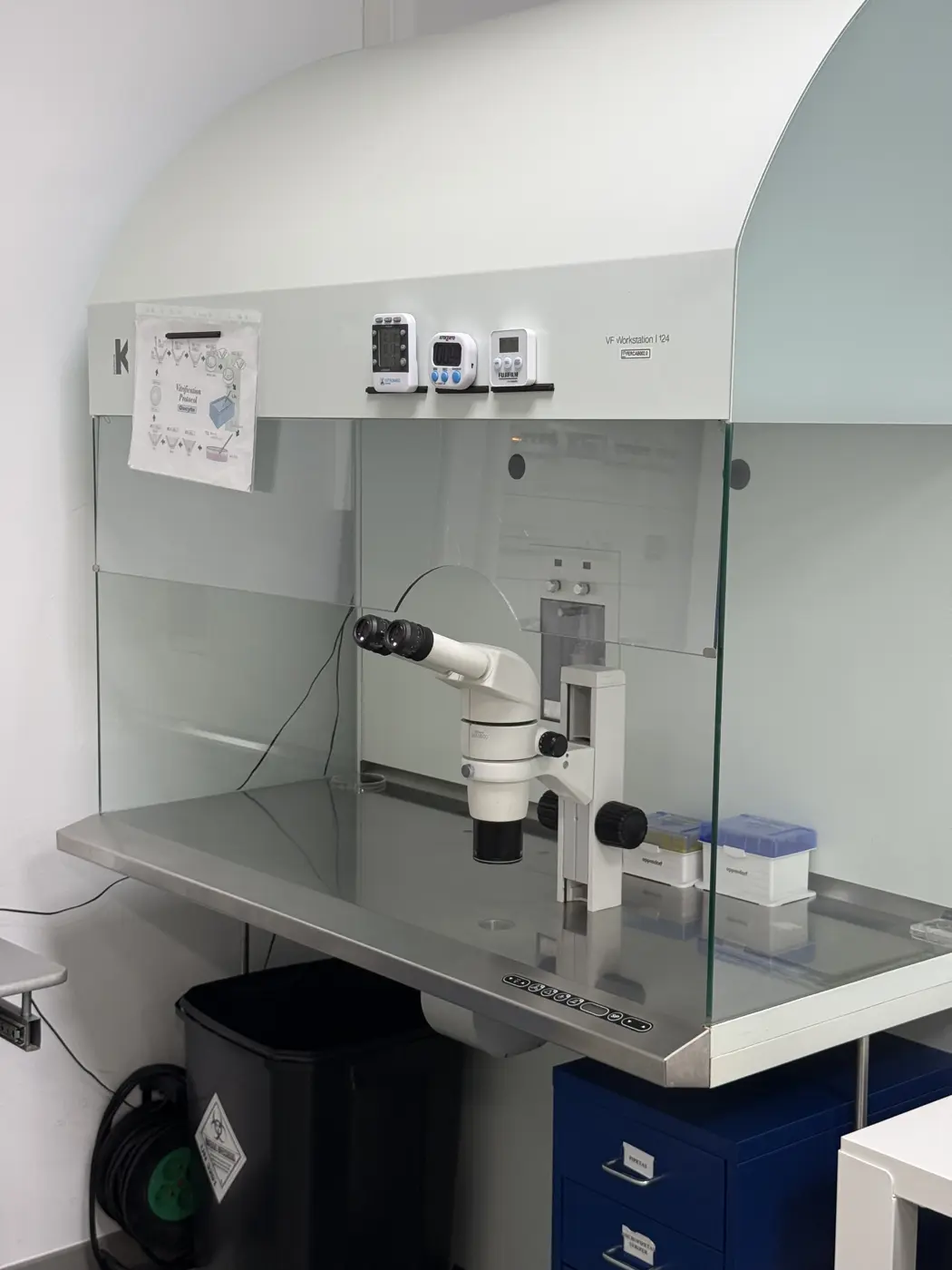
A figure for context
In 2023, 65,805 eggs were vitrified in Spain, 13% more than the previous year [9]. It is a well-established technique. Even so, the decision is a personal one and deserves an unhurried consultation.
Frequently asked questions
Up to what age can eggs be frozen?
There is no legal limit, but results are better before 35 and fall clearly from 38-40. It is assessed in each case according to your ovarian reserve.
Does freezing your eggs guarantee becoming a mother?
No. It increases your options, which depend on your age when the eggs are frozen and on the number of eggs. No technique can guarantee a pregnancy.
How long can eggs stay frozen?
For years. Vitrification preserves them stably, and the time they spend frozen does not appear to affect their quality.
Does egg collection hurt?
It does not usually hurt, because it is done under sedation. It takes about 15-20 minutes and you go home the same day. Afterwards there may be mild discomfort and, like any egg collection, it has uncommon risks that we explain to you beforehand.
Can I preserve my fertility before chemotherapy?
Yes. Talk to your oncologist as soon as possible and mention it when booking: fertility preservation is coordinated so as not to delay cancer treatment.
So, what is your next step?
Answer a few questions and the pre-diagnosis will tell you which stage you are at and what is worth assessing in a consultation. It is free and you see the result straight away, without leaving your details.
Sources
- Registro Nacional de Actividad 2023 – Registro SEF (nota de presentación). SEF and Spanish Ministry of Health, 2025.
- Female fertility preservation (guideline). ESHRE, 2020.
The numbers in square brackets in the text refer to this list.